
Livraison le jour même ou le lendemain

Qualité garantie

Débloquez vos offres de bienvenue: Livraison GRATUITE | Jusqu'à -80 % | 30 jours d'essai gratuits à JoyPlus
Téléchargez l'application
Chicken treats for dogs and cats can be used to reward good behaviour, keep your pet occupied, enhance their meal, or simply give them a little bite between meals. But a nice promise on the packaging isn't always enough to make the right choice.
Before you fill your basket, three common pitfalls keep cropping up:
Ingredients are listed in descending order of weight. To properly compare chicken treats for cats and chicken treats for dogs, make sure you check:
A recipe containing 30% chicken is in a completely different league to a treat that is simply flavoured with chicken. Marketing claims should always be weighed against the full ingredients list.
For training treats, it's best to go for a small, easy-to-give and easy-to-chew bite. Soft dog rewards are particularly handy on walks or during a training session: they avoid long interruptions between exercises.
Liquid or creamy formats, such as liquid sticks for cats, can be served straight from the sachet or added to a portion of kibble. They also suit cats that prefer licking to chewing.
Dried or crunchy products are generally easier to store after opening. High-moisture recipes, on the other hand, often need to be eaten quickly and sometimes kept in the fridge.
Start by checking which animal the product is intended for: adult cat, kitten, adult dog or dog of all ages. A treat designed for a large dog can be too big for a small breed. Conversely, a soft enough bite can sometimes be broken in half to better control portions.
The label low-calorie treats is only useful if it comes with precise data. When available, compare the calories per portion, the fat content and the daily recommendations. If rewards become frequent, slightly reduce the main meal.
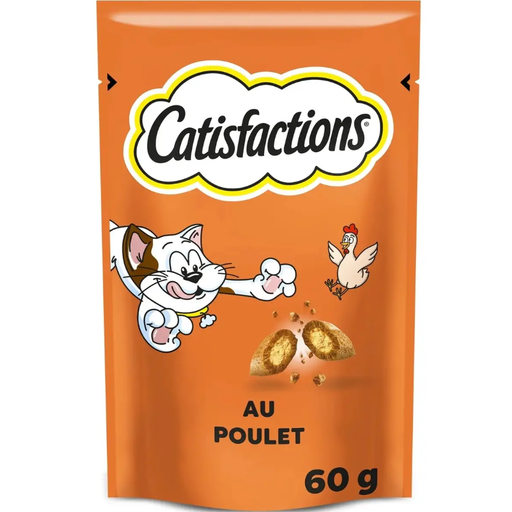
Why this choice suits this profile: At 60g, this size lets you try a cat treat without committing to a large pack straight away. Its crunchy texture with a soft centre works well for everyday enjoyment and short training sessions alike.
The ingredients list shows 4% chicken, and the product is clearly labelled as a complementary food for adult cats: the difference between the stated flavour and the actual meat content is easy to spot.
A 60g sachet, 28% crude protein and up to 12 treats per day depending on your cat's profile.
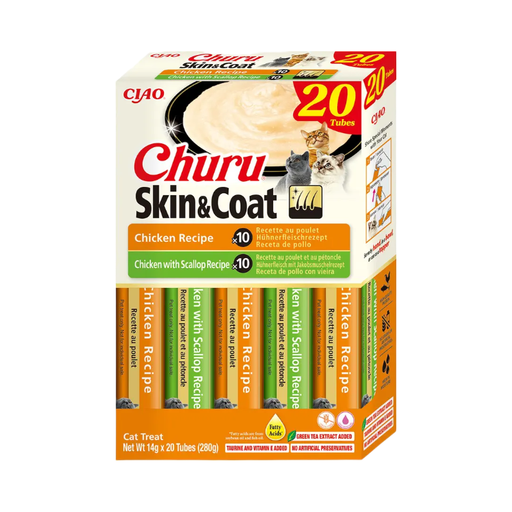
Why this choice suits this profile: This multipack focuses on a purée texture and individual portions. An interesting formula for those who want to make treat-giving more interactive.
The product page states 30% chicken and 86% moisture. These figures let you judge the recipe on concrete grounds, beyond just the flavour promise.
20 sticks of 14g, only 2.7% fat, and a purée that can be served on its own or as a topper for kibble.
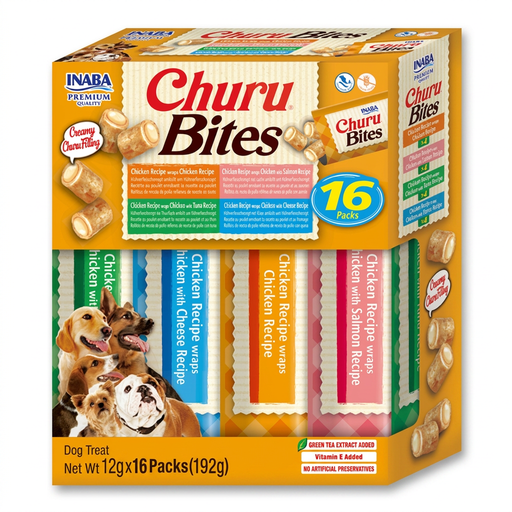
Why this choice suits this profile: With 16 portions of 12g, this multipack is aimed at owners who regularly hand out rewards during walks, training sessions or interactive play.
The chicken quantities are detailed per recipe, with 55.7% to 57% chicken meat. The portion sizes and guidance based on the dog's weight make dosing easy.
Four recipes, 68% moisture and a soft texture. Once opened, store in the fridge and use quickly.
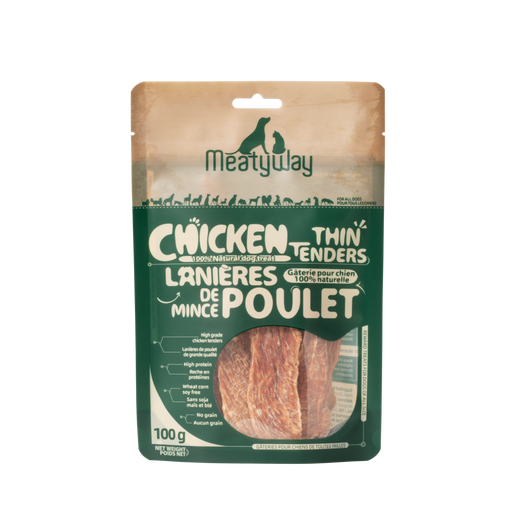
Why this choice suits this profile: This dog treat contains just one declared ingredient: chicken. The strips are easy to separate so you can adjust the amount during training.
The ingredients list simply states "Chicken", with no cereal mix or detailed flavourings on the page. Supervision is still essential during feeding.
A 100g sachet, 70% declared crude protein and a dried meat texture that's easy to break into pieces.
We've put together a complete, real-time updated selection of products that meet these exacting criteria and European safety standards.
To avoid waste and keep things fresh:
Not necessarily. Nutritional needs and physiology differ between species. Choose a product explicitly intended for dogs or cats, then check the recommended age and ingredients.
Hand out small portions and take the daily food allowance into account. Treats should remain a supplement. The manufacturer's recommendations are a good starting point, but adjust according to your pet's size, activity level and main diet.
It all depends on the format. Dry products generally keep in a cool, dry place in a well-sealed sachet. Soft bites and liquid sticks often need to be refrigerated after opening and consumed within 24 to 48 hours. Always refer to the label on the specific product.