
Livraison le jour même ou le lendemain

Qualité garantie

Débloquez vos offres de bienvenue: Livraison GRATUITE | Jusqu'à -80 % | 30 jours d'essai gratuits à JoyPlus
Téléchargez l'application
Chicken is a cook's blank canvas: a neutral base just waiting to be elevated. But it's the right chicken sauce that transforms an everyday dish into a memorable meal. The problem is, when faced with shelves overflowing with exotic promises, it's easy to feel lost. Or worse, to go home with a disappointing sauce that will end up at the back of the cupboard. As a product manager at Joybuy, my job is to cut through the noise for you and select only the products that truly deliver.
To avoid falling into the trap, here are the three most common pitfalls that can ruin your dish:
To avoid these pitfalls, you need to learn to read between the lines on the labels and focus on a few key criteria.
The perfect sauce is, first and foremost, the one that suits your recipe. Here are the essential points to check.
Each function has its ideal composition.
Don't just go by the name of the dish on the packaging. Learn to decipher the dominant flavour profile to ensure it matches what you're craving:
A quick look at the ingredients list is often very revealing. The presence of high-quality, recognisable ingredients (chilli, garlic, ginger, galangal) at the top of the list is an excellent sign. Conversely, be wary of lists that start with water, sugar, and "flavourings." For specific needs, certifications like a halal chicken broth ensure the product respects your beliefs or dietary requirements.
To help you see how these criteria apply in practice, here is a selection of products suited to different needs.
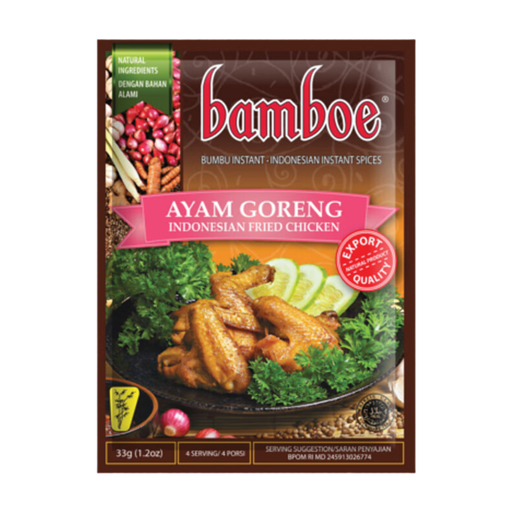
Why it's a great choice: Perfect for those who want to recreate the authentic taste of Indonesian fried chicken (Ayam Goreng) without having to buy and measure a dozen different spices. A turnkey solution for a signature dish.
This isn't some vague "Asian" sauce. It's a very specific fried chicken seasoning with a list of typical ingredients (galangal, coriander, lemongrass) that ensures a targeted and authentic taste, far from standardised flavours.
Authentic taste for a specific recipe. Natural ingredients, incredibly simple preparation.
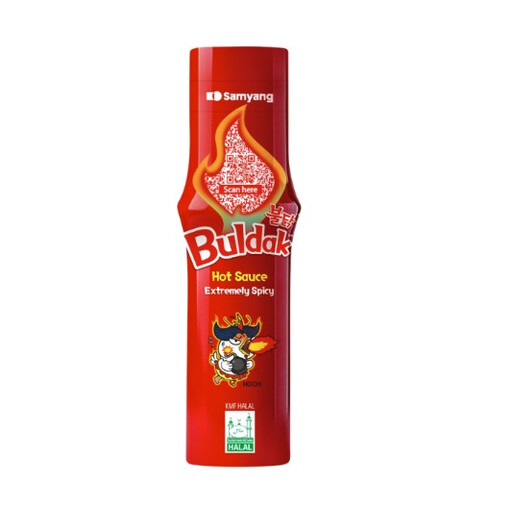
Why it's a great choice: Reserved for spice lovers who know and seek out the volcanic intensity of the famous Korean buldak sauce. Definitely not for beginners, but perfect for those who aren't afraid of a challenge.
No unpleasant surprises on the heat scale here. The "extra spicy" claim is not an exaggeration: the sauce delivers on its promise of intense, lingering heat, true to Samyang's reputation.
Extreme heat and iconic flavour. Convenient squeeze bottle to prevent accidents.
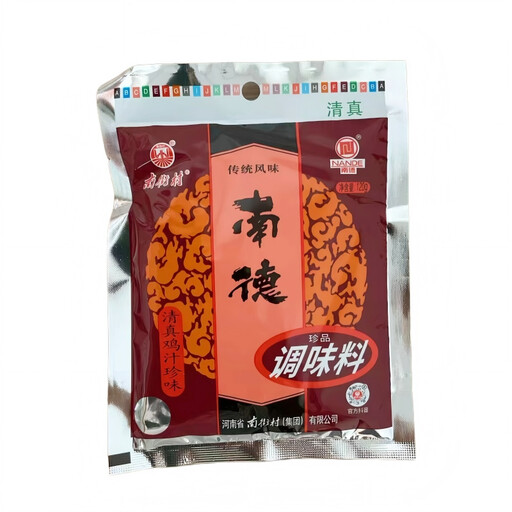
Why it's a great choice: The perfect ally for everyday cooking. This powdered halal chicken broth is a true Swiss army knife for enhancing soups, stir-fries, stuffings, or even vinaigrettes, all while complying with specific dietary requirements.
It avoids the trap of false versatility. As a powder, this chicken seasoning doesn't impose a specific taste or texture. It provides a flavour base that you can customise endlessly, unlike a ready-to-use liquid sauce.
Halal certification and maximum versatility. Total control over the final taste of your dishes.
We've curated a full range of products that meet our standards for quality and taste.
The golden rule: start small and go slow. Always begin with a tiny amount (the tip of a knife or half a teaspoon), mix well, and then taste. Adjust gradually until you find your tolerance level. To tone down the intensity, you can mix it with a little mayonnaise, sour cream, or yoghurt.
In theory, yes, but with a few adjustments. Marinades are designed to penetrate meat, so they are often saltier and more concentrated in flavour. To use it as a dipping sauce, taste it first. If it's too strong, dilute it with a little water or broth, or rebalance it with a touch of honey or lemon juice.
Once opened, most sauces can be kept for several weeks, or even months, in the refrigerator. The best practice is to always check the instructions on the packaging. As a general rule, sauces high in vinegar, salt, or sugar last longer. In any case, a change in colour, smell, or the appearance of mould are warning signs: it's time to throw it out, no questions asked.