
Livraison le jour même ou le lendemain

Qualité garantie

Débloquez vos offres de bienvenue: Livraison GRATUITE | Jusqu'à -80 % | 30 jours d'essai gratuits à JoyPlus
Téléchargez l'application
Chicken is a reliable weeknight dinner staple. But let's be honest, it's the sauce that makes all the difference, transforming a simple fillet into a memorable dish. Yet, venturing into the sauce aisle often feels like an uphill battle. Between unfulfilled promises of authenticity and endless ingredient lists, it's easy to make the wrong choice. As a product expert at Joybuy, my mission is to guide you through this jungle to find that hidden gem: the sauce that will truly elevate your chicken.
To make the right choice, it helps to know the common mistakes that often lead to a forgotten sauce at the back of the fridge.
For a successful purchase, two criteria outweigh all marketing slogans. They are what will dictate the use and the result on your plate.
The most common mistake is using a sauce for a purpose it wasn't designed for.
Forget the pictures on the packaging and dive into the ingredient list: it's what reveals the sauce's true flavour profile.
Here are a few gems that meet specific needs while avoiding the traps we've just discussed.
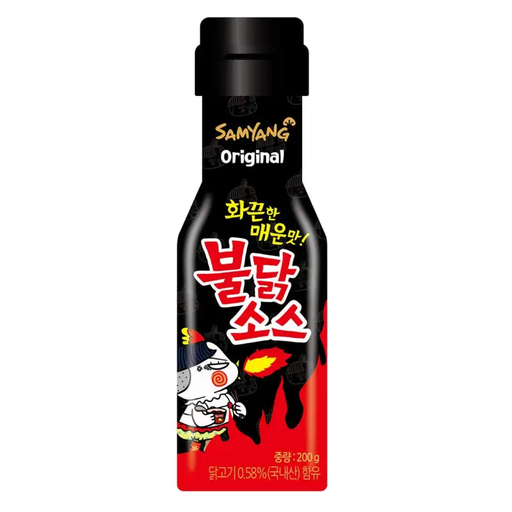
Why we chose it: For those who want to take on the famous "Fire Noodle Challenge" or simply electrify their chicken with an intense and flavourful heat. This is the iconic flavour that launched the Korean spicy chicken wave worldwide.
This sauce doesn't just bring the heat. Its base of soy sauce, garlic, and spices gives it a complexity that goes beyond a simple burning sensation, thus avoiding the false authenticity trap.
An authentic and intense Korean flavour from the brand that created the noodles of the same name. Ultra-versatile, it coats fried chicken, noodles, and even burgers equally well.
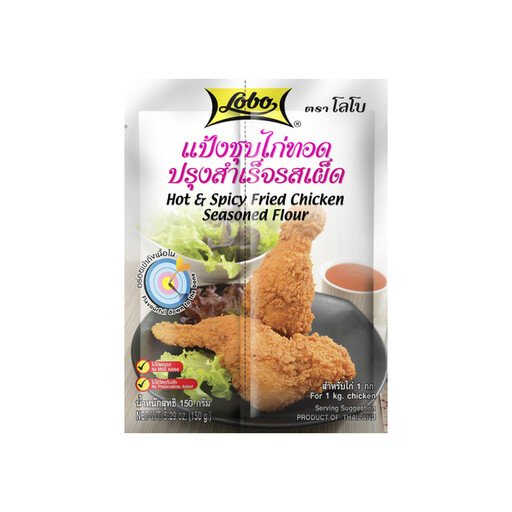
Why we chose it: Perfect for those who dream of crispy, flavourful fried chicken without the hassle. This 2-in-1 kit includes the seasoning and the coating flour for foolproof results.
This isn't an "all-purpose" sauce, but a two-step system (marinade + flour) designed specifically for frying. It meets a precise need with a tailored solution, far from mediocre versatility.
A complete kit that makes preparing fried chicken incredibly simple. The separation of marinade and flour ensures flavourful meat and a crispy coating.
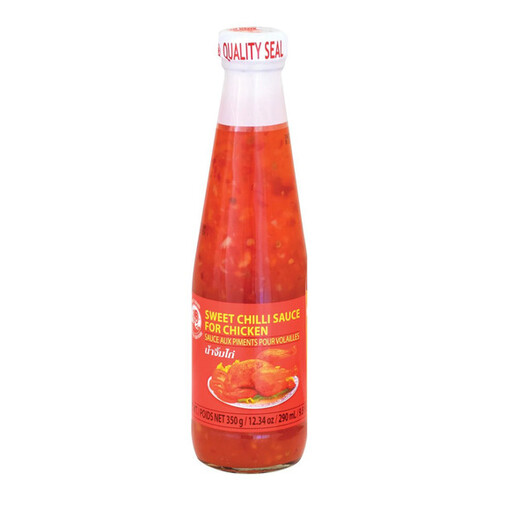
Why we chose it: For die-hard fans of the famous sweet and spicy Thai sauce. It's the ultimate *dipping* sauce for spring rolls, grilled chicken, or shrimp fritters, with its perfect balance of sweetness and heat.
Its ingredient list gets straight to the point: sugar, water, red chilli (16%), garlic, salt. Zero artificial flavours or unnecessary colourings. The authenticity comes from real ingredients, plain and simple.
The market leader for "sweet chilli" flavour. Its texture is designed for *dipping*: it coats perfectly without ever making anything soggy.
Explore our full selection of products that meet our quality criteria and current regulations.
A marinade is a mixture (liquid or dry) that raw meat soaks in before cooking. Its purpose is to flavour and tenderise. A sauce, often thicker, is used during cooking (for glazing) or after (as a topping or for dipping). Their compositions are therefore different to suit their roles.
Most commercial sauces should be kept in the refrigerator after opening. The shelf life varies (from a few weeks to several months), so always check the label. A tip: use clean utensils to serve and seal the bottle tightly to preserve its freshness.
Absolutely. Most of these sauces (spicy, sweet and sour, marinade...) are very versatile. They work wonders with pork (ribs, tenderloin), shrimp, tofu, or even grilled vegetables. Let your creativity run wild