
Livraison le jour même ou le lendemain

Qualité garantie

Débloquez vos offres de bienvenue: Livraison GRATUITE | Jusqu'à -80 % | 30 jours d'essai gratuits à JoyPlus
Téléchargez l'application
Setting up a chicken run, protecting your vegetable garden, or fencing off an area for small animals... on paper, it sounds simple. In reality, choosing the wrong netting can quickly turn your project into a headache. A chicken coop net that tears in the first gust of wind, a wire mesh that rusts in a few months, or an installation that becomes a nightmare are all-too-common disappointments.
Our mission is to help you make a clear, informed choice. Forget the marketing jargon and unrealistic promises: we'll break down the pitfalls to avoid and the criteria that truly matter for selecting a net that fits your needs and is built to last.
Before diving into technical specifications, it's crucial to recognise the mistakes that prove expensive in the long run.
To ensure the longevity and effectiveness of your installation, three parameters must be scrutinised.
This is the choice that dictates everything else.
The dimensions of your animal fencing must perfectly match your project.
A good net is a reusable net. A quality model can serve as chicken wire one year, a vegetable garden barrier the next, a cover for a pond to keep out dead leaves, or even as an anti-mole net when redoing a lawn. Thinking multi-purpose is how you maximise your investment.
Rather than a generic product list, here are solutions that cater to specific user profiles, all while avoiding the pitfalls mentioned earlier.
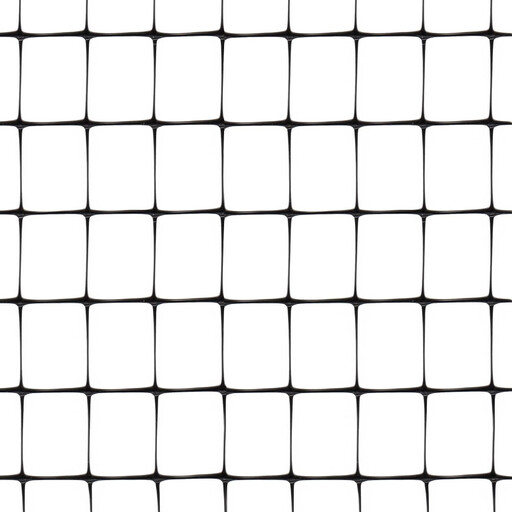
Why this choice? It's the Swiss Army knife of netting. Perfect as an anti-mole barrier under a new lawn or as a low fence to protect a vegetable garden. Its 1 m width makes it very easy to handle for these uses.
When buried, it will never rust, unlike classic metal mesh. Above ground, its UV treatment guarantees excellent durability.
Lightweight and flexible: a real pleasure to transport, unroll, and cut to size to fit the contours of your land.
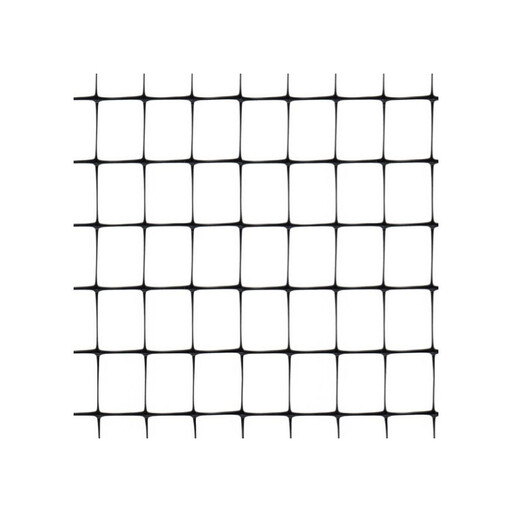
Why this choice? At 2 metres high, it's the ideal solution for a high-security run or an aviary. No more chickens making a run for it or predators jumping over the fence.
It provides the security height that 1 m nets don't, preventing both escapes and intrusions. Its treated plastic material withstands the seasons without degrading.
Peace of mind: the 2 m height combined with a fine mesh (16x19 mm) creates a nearly impenetrable fortress for most poultry and their predators.
Discover our full selection of products that meet our criteria for quality and durability.
It all depends on your chickens! For calm laying breeds (like Rhode Island Reds, Marans), a height of 1.20 m to 1.50 m is sufficient, especially if the run is covered. For lighter, more agile breeds, or to build a true aviary, go straight for 2 m for maximum security.
It's much simpler than with metal mesh. Plan for posts (wood, metal, or plastic) every 2 to 3 metres. Then, unroll the net, pull it taut, and attach it to the posts with zip ties or wire. The anti-predator trick: bury the base of the net 15 to 20 cm deep to block digging animals.
Yes, provided you choose a high-quality one. A plastic mesh made of bioriented, UV-treated polypropylene offers surprising tensile and tear strength, capable of deterring most opportunistic predators (cats, birds of prey). Against a determined predator like a fox, the netting is an excellent base, but it's advisable to reinforce the bottom of the enclosure by burying it or lining it with metal mesh at ground level.