
Livraison le jour même ou le lendemain

Qualité garantie

Débloquez vos offres de bienvenue: Livraison GRATUITE | Jusqu'à -80 % | 30 jours d'essai gratuits à JoyPlus
Téléchargez l'application
Choosing the right p?té for your cat can often feel overwhelming. The shelves are overflowing with promises of health and vitality, but how can you distinguish a quality recipe from slick marketing claims? As a Product Recommendation Manager at Joybuy, my mission is to help you see things more clearly. Let's break down the pitfalls to avoid and the criteria that truly matter when selecting the ideal chicken cat p?té for your little feline.
The pet food market is riddled with confusing claims. Here are three points to keep in mind before every purchase:
To make an informed choice, you need to learn how to decipher labels. Here are the three essential points to check to ensure you get it right.
Transparency is the first hallmark of quality. A good wet chicken cat food must clearly state the percentage of each meat.
single-protein cat p?té: If your cat has a sensitive digestive system or allergies, a single-protein formula (only one source of animal protein, in this case, chicken) is ideal for minimising the risk of a reaction.A natural cat food should closely mimic their instinctive carnivorous diet.
Some additives aren't optional; they are essential.
To put theory into practice, here are a few products that tick all the boxes and meet specific needs.
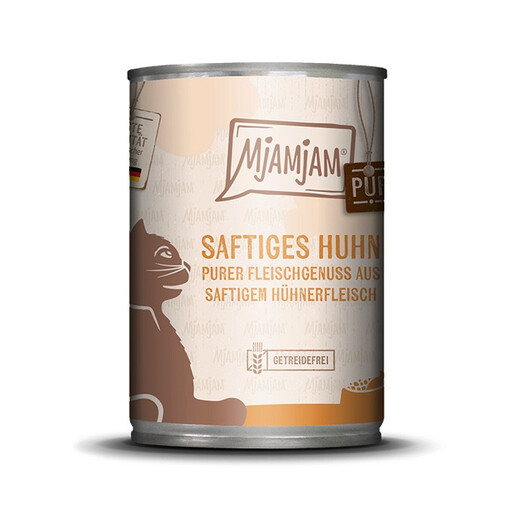
Why we chose it: Ideal for cats prone to food intolerances. Its single-protein recipe and very short ingredient list make it easy to identify and avoid potential allergens.
The composition is exceptionally clear: 71% chicken (meat, heart, liver, gizzard) and meat broth. No vague "by-products" or hidden protein sources.
Single-protein and grain-free formula for optimal digestibility and minimised allergy risk.
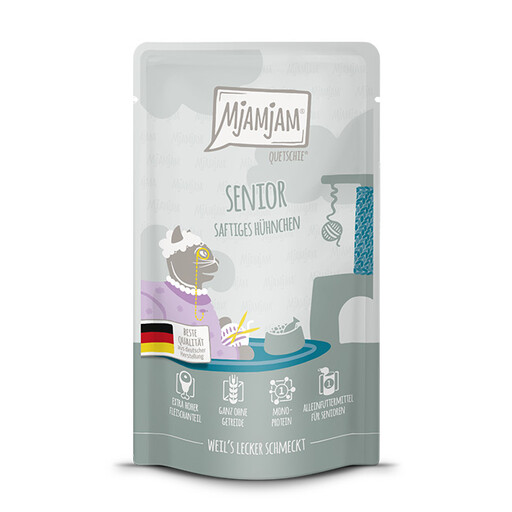
Why we chose it: An older cat's nutritional needs change. This formula is specifically designed for them, with ingredients aimed at supporting joint health and easy digestion.
It avoids grains and sugars, which are often poorly tolerated by senior cats. The recipe is rich in chicken meat (70%) and fortified with targeted nutrients, without any unnecessary ingredients.
Contains salmon oil and green-lipped mussel, known for their joint benefits. A formula that ticks all the boxes for a great senior chicken cat p?té.
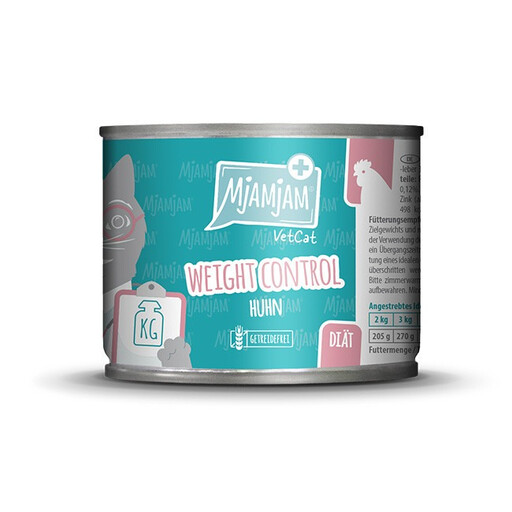
Why we chose it: Neutering changes a cat's metabolism and increases the risk of weight gain. This dietetic formula helps maintain an ideal weight thanks to a reduced calorie content.
Unlike a generic "light" product, this p?té displays clear analytical constituents: 3.5% fat and 5% protein, a profile tailored for weight management without sacrificing nutrients.
A neutered chicken cat p?té recipe that combines weight management with high digestibility, as it is also single-protein and grain-free.
Discover our full selection of p?tés that meet our quality standards and comply with current regulations.
The ideal portion depends on your cat's weight, age, activity level, and the product's calorie content. As a general rule, a 4 kg adult cat consumes between 200 and 300 grams of p?té per day, ideally split into several meals. Always follow the manufacturer's recommendations on the packaging and adjust the amount if you notice any weight gain or loss.
To avoid digestive issues, the change must be gradual. Over a period of 7 to 10 days, mix a small amount of the new p?té with the old one, then increase the proportion day by day until it is completely replaced.
For most cats, a grain-free diet is truer to their carnivorous nature and therefore more digestible. However, every cat is unique. If yours tolerates a recipe with a small amount of high-quality grain (like rice) and shows no signs of intolerance, it's not an option to be dismissed. The most important thing is to choose a food with a maximum of quality animal protein.