
Livraison le jour même ou le lendemain

Qualité garantie

Débloquez vos offres de bienvenue: Livraison GRATUITE | Jusqu'à -80 % | 30 jours d'essai gratuits à JoyPlus
Téléchargez l'application
Between sugar-free chewing gum, fruity gum and licensed bubble gum, it’s not always easy to know what to pick. A small pack to slip into a bag doesn’t meet the same needs as a bulk-buy chewing gum for the office, a party or the whole family. The price tag alone isn’t enough – you also need to consider the quantity, the ingredients and the intended use.
A large pack may look like a better deal, but you still need to check the net weight, the number of pieces and the format of each pack. A bundle of 30 packs of 10 pellets, like some mint-flavoured gums, can’t be directly compared to a single pouch of 200 pieces. To work out the real price, compare the cost per pack or per piece rather than the total amount.
A sugar-free chewing gum often contains polyols such as sorbitol, maltitol or isomalt. These sweeteners can affect the texture and taste. If consumed in excess, they can also have a laxative effect, as the warnings on some packaging remind you. Anyone with phenylketonuria should also check for aspartame.
An intense mint chewing gum won’t necessarily suit a child who prefers fruity flavours. On the other hand, a sweet bubble gum designed for blowing bubbles is more about fun and sharing than simply freshening your breath after a meal. Sweets that contain chewing gum, such as filled lollipops, also need extra care with young children because of the choking risk from the hard parts.
Take the time to read the ingredients list, especially to spot sugar, polyols, aspartame, soya or gelatine. Recipes can vary from one brand to another and from one country to another. Some Japanese products featuring Pokémon or Doraemon contain specific sweeteners and colourings, while a classic Malabar is usually made with sugar and glucose syrup.
Anyone with allergies should refer to the full labelling. A “no declared allergens” statement doesn’t mean you can skip checking the ingredients list or possible traces.
For a bag or pocket, compact, resealable formats are the most practical. If you chew regularly, a bundle of several individual boxes makes it easier to hand them out and reduces exposure to moisture. Store the products in a cool, dry place, away from heat and sunlight, and always check the date on the packaging.
A pack of 200 pieces, like Malabar bubble gum, is better suited to sharing, parties or a family stash. By contrast, a pack of 6 to 14 g is more for occasional use.
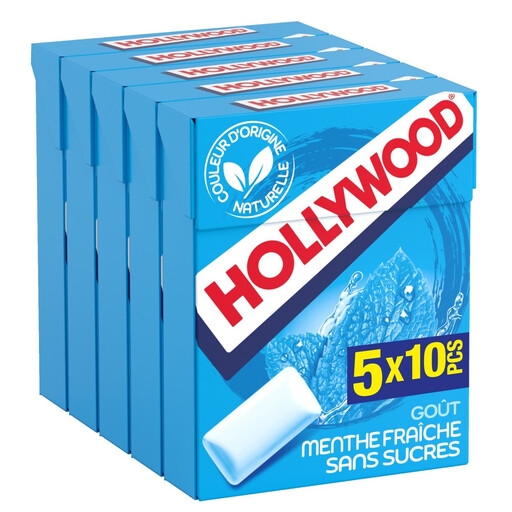
Why this choice suits this profile: With its 5 packs, this format lets you try a mint chewing gum while keeping a few units at home, in your bag or at work.
The five-pack format means you don’t have to buy a large bundle before you know if you like the flavour. The recipe is sugar-free and contains polyols – consume as directed on the packaging.
Fresh mint flavour, 5 packs of 14 g and made in France as stated on the packaging.
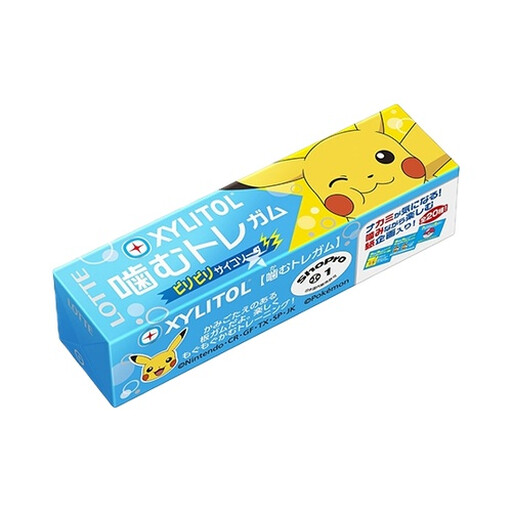
Why this choice suits this profile: This imported format combines a bold soda flavour, a Pokémon licence and 9 pieces per pack. A choice that should appeal to collectors and fans of Japanese sweets.
The product page clearly states the weight of 26 g and the count of 9 pieces. So you can judge the actual size without being swayed solely by the Pokémon design.
Sugar-free bubble gum, sweeteners including xylitol and Pokémon packaging.
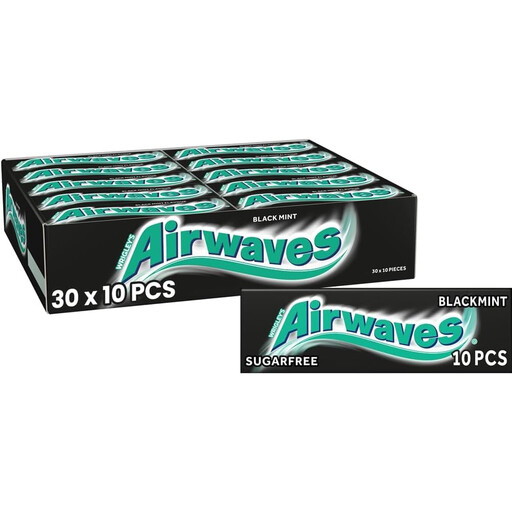
Why this choice suits this profile: The 30 individual packs of 10 pellets are ideal for the office, the car, a family or anyone who wants a separate pack always to hand.
The number of packs and the total weight of 420 g are clearly stated. This makes it easier to compare with other bundles, while limiting the number of open boxes exposed to moisture.
Black mint and menthol flavour, sugar-free recipe and 30 individual packs.
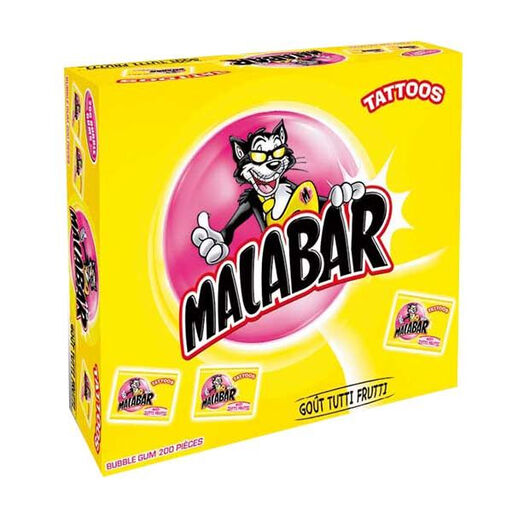
Why this choice suits this profile: This large format, well known in France, is made for parties, celebrations and shared supplies, with its tutti frutti flavour that’s inseparable from the world of bubble gum.
The packaging details 200 pieces of 6.7 g each, giving a total of 1.34 kg. So you know exactly how much you’re buying before you place your order.
200 pieces, tutti frutti flavour, made in France as stated on the packaging and ideal format for sharing.
We’ve put together a full selection, updated in real time, of products that meet these exacting criteria as well as European safety regulations.
No. Start by checking the sweeteners used in the recipe. Some products contain aspartame, which must be labelled as a source of phenylalanine. Polyols can also cause digestive issues or a laxative effect when consumed in large quantities. Always check the label, especially for children and anyone with dietary restrictions.
It all depends on the date given by the manufacturer and the storage conditions. A sealed pack kept in a dry place at room temperature will better preserve the texture and flavour. After opening, reseal the pouch or box carefully and keep it away from heat, moisture and direct light.
A bulk-buy chewing gum is practical when several people chew it regularly. For a party or a group activity, a large carton of bubble gum like Malabar offers more pieces to share. To avoid unnecessary purchases, start with a small pack of mint or fruit. Once you’ve settled on a flavour, you can move on to a larger pack size.