
Livraison le jour même ou le lendemain

Qualité garantie

Débloquez vos offres de bienvenue: Livraison GRATUITE | Jusqu'à -80 % | 30 jours d'essai gratuits à JoyPlus
Téléchargez l'application
For any dog owner, finding the ideal chew toy can quickly become a headache. The store shelves are overflowing with promises, but the reality is often disappointing: a premium-priced toy pulverised in minutes, or worse, one that's unsafe for your companion. To help you navigate the options, we've broken down the most common pitfalls and the essential criteria to check before you head to the checkout.
The goal isn't to find a miracle toy, but the one that is perfectly suited to your dog. Here’s how to avoid the classic mistakes:
To make the right choice, rely on a few technical criteria rather than flashy packaging.
The material is the heart of the matter: it determines the toy's lifespan and your pet's safety.
A chew toy isn't just for chewing. It also meets various behavioural needs.
A puppy toy must be soft enough not to damage their fragile baby teeth. Conversely, an adult with a powerful jaw will require a much more durable toy to prevent them from tearing it to pieces and swallowing parts. Always follow the manufacturer's recommendations regarding the animal's weight and chewing strength.
Rather than a random list, here are options that meet specific needs, keeping the common pitfalls in mind.
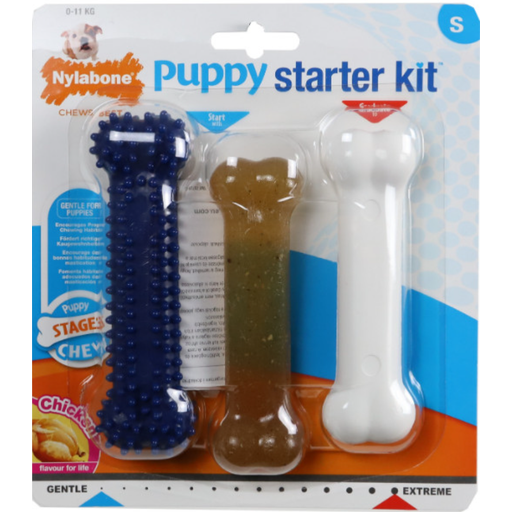
Why we chose it: This kit is specially designed to support a puppy through the different stages of teething. It's a progressive solution perfect for soothing their gums and teaching them proper chewing habits.
Unlike a single toy, this kit offers three progressive hardness levels. This avoids the risk of a toy being too hard for baby teeth or too soft once adult teeth come in.
The progression in hardness (soft for baby teeth, then intermediate, and finally hard) is perfectly aligned with a puppy's dental development.
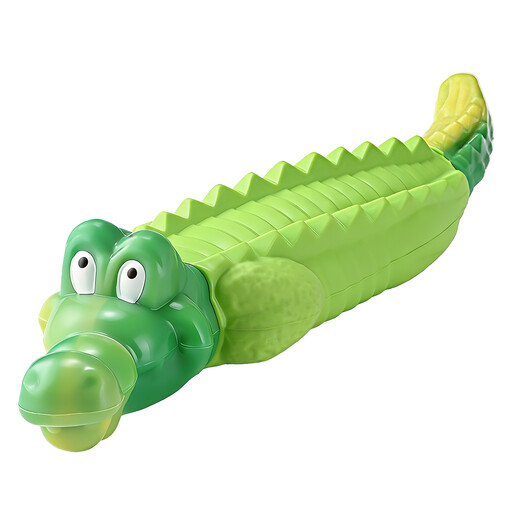
Why we chose it: Specifically designed for medium to large dogs, this toy combines two materials for enhanced durability without being so rigid that it becomes brittle.
It avoids the "fake indestructible" trap with its dual-material structure: a hard nylon core for toughness, coated in softer natural rubber to protect the gums.
Its generous size (24 cm) and textured crocodile shape make it easy for large dogs to grip and ideal for games of fetch.
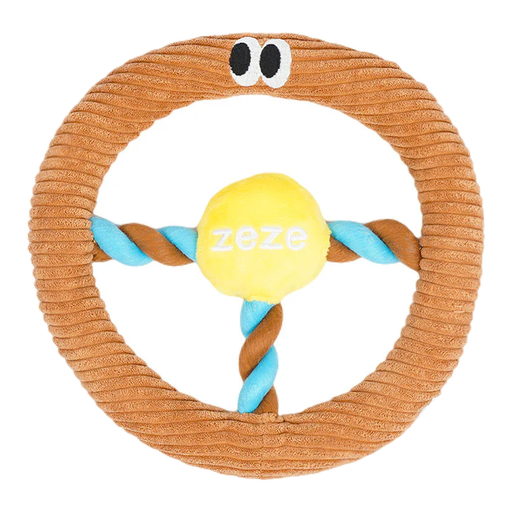
Why we chose it: This interactive toy stands out with its steering wheel design and built-in squeaker. It's perfect for capturing attention, beating boredom, and encouraging play between you and your dog.
Rather than relying solely on passive chewing, it mentally engages the dog with its squeaker, making it an excellent occupation toy to reduce destructive behaviours linked to boredom.
The mix of materials (fabric, rope, plush) offers varied textures that hold a dog's attention much longer than a standard toy.
We've compiled a complete, up-to-date selection of toys that meet our strict selection criteria and current safety standards.
There's no hard and fast rule, as it all depends on the toy's durability and your dog's jaw strength. Inspect toys after each play session. Replace them as soon as they show signs of excessive wear, cracks, or if pieces start to break off. A toy that has become small enough to be swallowed whole should be thrown away without hesitation.
For hard nylon or rubber toys, washing with warm water and a mild soap (like a non-toxic dish soap) is sufficient. Rinse thoroughly to remove any soap residue. For fabric or plush toys, follow the manufacturer's instructions; some can be machine-washed on a gentle cycle. Make sure the toy is completely dry before giving it back to your dog.
When they are high-quality and used correctly, nylon toys are considered a safe option for most dogs. They are designed so that tiny, rice-sized shavings may come off during chewing. These can typically pass through the digestive system without harm. However, supervision is essential. If large pieces break off, the toy is no longer safe and must be replaced. Supervision, especially with a new toy, is always the best prevention.