What should you check before choosing?
Start by considering how often you run out of space and what you need to store. Then check the space available for the appliance and the conditions in the room.
| Priority |
What to check |
What I need |
| Type of freezer and access |
Compare access from above in a chest freezer with the drawers or storage areas in an upright model. If you’re replacing a fridge-freezer, look at its freezer compartment; if you only run short of space occasionally, review what you have in stock first. |
I store large purchases or home-grown produce, or I mainly want to find portions I use every day quickly. |
| Capacity and space needed |
Check the freezer capacity in litres, rather than the total capacity of a fridge-freezer. Measure the space, the route to the room and the clearance needed to open the appliance. |
I regularly run short of space, so I want to compare this with the capacity that’s actually available without choosing an appliance I can’t install. |
| Where you’ll install it |
Check the permitted ambient temperature range and installation instructions for the exact model. Make sure the room has the required clearances and power supply. |
I’m thinking of putting the appliance in an unheated garage, cellar or outbuilding. It needs to work in the conditions in that room. |
| Power cuts and adding fresh food |
Compare the stated power-cut storage time in hours and freezing capacity in kg/24 h on the product specifications for the models you’re considering. Check for alarms if the appliance won’t be monitored often. |
After a harvest or a large shop, I freeze a lot of food at once. I’d also like to know how long it can keep food frozen during a power cut. |
| Energy use and noise |
Compare annual energy consumption in kWh, capacity and noise emissions across appliances of a similar type and capacity. The European Commission says that the energy label for household fridges and freezers includes this information, as well as an energy rating from A to G. |
The appliance will stay plugged in all the time, perhaps near a room in use. I want to consider its energy use and noise as well as the extra capacity it offers. |
Which branded models should you compare?
These models show a range of capacities and formats. The specifications listed apply to the models named, not to every appliance from each brand.
Beko
The RFNE448E45W is a freestanding upright freezer with a capacity of 404 L, according to Beko.
- Beko lists 17 h of storage time during a power cut for this model.
- The stated ability to operate at temperatures down to -15 °C applies to the RFNE448E45W. Check the installation conditions for the room you have in mind.
Whirlpool
Whirlpool lists a usable capacity of 308 L for the W3RHS31DW2 chest freezer.
- Whirlpool lists 36 h of storage time during a power cut and a noise level of 40 dB(A) for this model.
- Whirlpool says this specific model can operate at temperatures down to -15 °C. Also check whether the interior layout suits the food you use often.
Bosch
The GSN58AWEV is a freestanding upright freezer with a stated capacity of 366 L, according to Bosch.
- Bosch lists a noise level of 39 dB(A), 12 h of storage time during a power cut and a freezing capacity of 20,8 kg/24 h for this model.
- Check the dimensions and interior storage against the containers you use. Capacity alone doesn’t tell you how easy it is to reach your food.
Electrolux
The ENC8MC18S is a built-in fridge-freezer to consider when replacing a combined appliance.
- Electrolux lists a freezer capacity of 62 L and a required niche size of 1780 × 560 × 550 mm.
- Check that 62 L meets your regular needs and that your existing niche is the right size. This model doesn’t offer the capacity of a large dedicated freezer.
Chest and upright freezers on Joybuy
These models offer two ways to add a freezer: chest freezers for storing food in a deep compartment, and upright freezers for accessing food in separate sections. Compare their capacity with the space you need, then check the installation requirements for the model you choose.
 Image unavailable
AUCMA, 291 L convertible chest freezer
Worth considering for bulk buys if access from above suits the way you organise your food. It has a stated capacity of 291 L, a removable basket, LED lighting, five-level digital controls and fridge and freezer modes. Check the permitted ambient temperature range for the room and how long it can keep food frozen during a power cut.
View on Joybuy
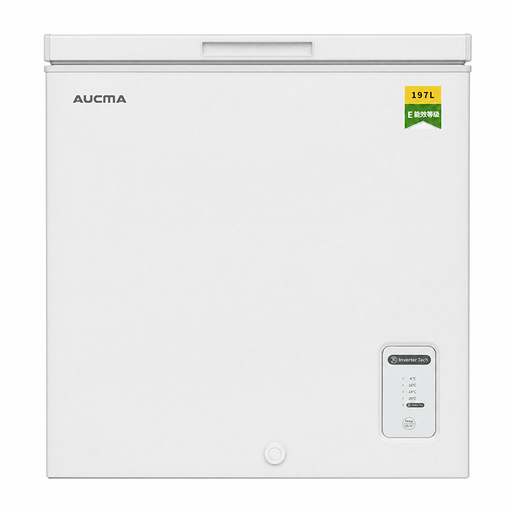 Image unavailable
AUCMA, 197 L convertible chest freezer
A way to add dedicated freezer space while choosing a smaller chest freezer than the 291 L AUCMA model featured here. It has a stated capacity of 197 L, a removable basket, five-level digital controls and fridge and freezer modes. Make sure you can reach the bottom of the compartment, and check the permitted ambient temperature and how long it can keep food frozen during a power cut.
View on Joybuy
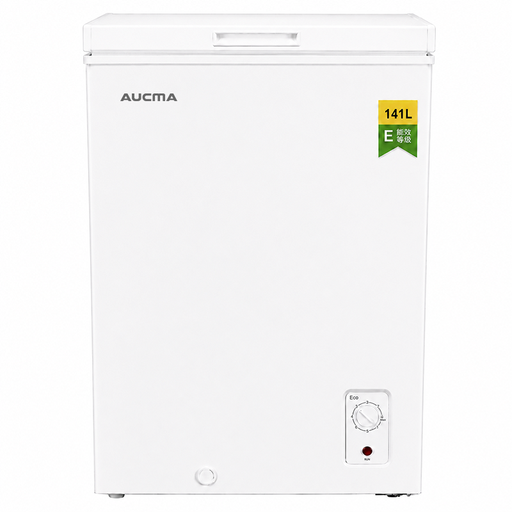 Image unavailable
AUCMA, 141 L convertible chest freezer
Worth considering if the stated capacity of 141 L meets your needs and you don’t want a large chest freezer. It opens from the top and has a removable basket, a seven-level thermostat and fridge and freezer modes. Check that the chest layout suits you, along with the permitted ambient temperature range and the model’s storage time during a power cut.
View on Joybuy
 Image unavailable
COMFEE' RCU60WH2(E), 60 L upright freezer
Compare the stated capacity of 60 L with the portions you usually store, rather than bulky harvests or bulk buys. The reversible door lets you choose which way it opens to suit your space. Before buying, check the exact interior layout, permitted ambient temperature range and storage time during a power cut.
View on Joybuy
 Image unavailable
Heinrich´s, 161 L upright freezer, stainless steel
Worth comparing if you want to store food separately in an upright freezer with a stated capacity of 161 L. The product description mentions drawers, a No Frost system, an alarm and a reversible door hinge. Before choosing a spot, check the dimensions, permitted ambient temperature and storage time during a power cut. Also ask what the stated temperature range of -14 °C to -22 °C refers to for this model.
View on Joybuy
Frequently asked questions
Can you put any freezer in an unheated garage?
No. Check the permitted ambient temperature range and installation instructions for the model you’re considering. Beko says the RFNE448E45W will operate at temperatures down to -15 °C, as does Whirlpool for the W3RHS31DW2, but these specifications don’t apply to all their models or every garage.
Which figures should you compare on the energy label?
Compare annual energy consumption in kWh, freezer capacity and noise emissions, taking the type and capacity of each appliance into account. The European Commission says the label for household fridges and freezers shows this information alongside an energy rating from A to G. The rating alone doesn’t tell you how much space is available in the freezer.
Is a chest freezer better than an upright one for bulk buys?
A chest freezer is worth comparing if you store bulky items, but you’ll need to organise its interior to make the most of access from above. If you often take out small portions of different types of food, consider the drawers in an upright freezer too. In either case, the capacity and storage layout of the specific model matter.
What should you do with your old freezer when replacing it?
The ADEME says that when replacing a large refrigeration appliance, you can return it to the retailer or delivery driver, or take it to the electrical and electronic equipment area at a recycling centre. Arrange for it to be collected or dropped off rather than leaving it with ordinary bulky waste.


