Households that stock up in bulk
You buy frozen food in large quantities or shop less often. Freezer capacity and floor space are your main considerations.


If you mainly need more room for frozen food, start by comparing standalone freezers. A chest freezer suits larger stocks if you have enough floor space, while an upright freezer makes food easier to organise and access regularly. A large fridge-freezer is more suited to replacing your fridge as well. Compare freezer capacity separately, along with the dimensions, annual energy consumption and installation requirements, as recommended by UFC-Que Choisir.
You buy frozen food in large quantities or shop less often. Freezer capacity and floor space are your main considerations.
You regularly store and take out portions. Being able to see and organise your food may matter more than having one large compartment.
You have a narrow or unheated room. The dimensions, clearance needed and the model’s permitted ambient temperature range can all help guide your choice.
Start with the freezer capacity you need, then choose a format based on how you access your food and where the appliance will go. If you’re replacing your fridge too, check that the fridge-freezer has enough freezer space for your stocks.
| What matters to you | What to check | Who tends to prioritise it |
|---|---|---|
| Capacity for your stocks | Compare the litres of the freezer compartment alone, as well as the external dimensions. With a fridge-freezer, don’t confuse total capacity with freezer capacity. | If I’m stocking up in bulk, I want enough room without losing sight of the floor space needed. Around 33% of consumers prioritise storage capacity. |
| Access and organisation | Look at the layout of the drawers or baskets and the clearance needed to open the door or lid. | When I prepare portions in advance, I want to find and take them out easily. Around 27% of consumers prioritise access to and organisation of their meals. |
| Location and power cuts | Measure the room and delivery route. Check the permitted ambient temperature range and the model’s stated power-cut storage time. | If the appliance has to go in a cold room or I’m concerned about power cuts, I check that it’s suitable for the location and look at its stated storage time. Around 20% of consumers put these factors first. |
| Replacing an appliance and energy use | Compare fresh and frozen storage capacities separately, annual energy consumption in kWh and the space the appliance takes up. Consider whether you’ll keep your old appliance. | If I need to replace my fridge too, I want enough space for fresh and frozen food without overlooking energy use. Around 20% of consumers prioritise replacing an appliance and its running costs. |
A large fridge-freezer may offer plenty of space for fresh food without meeting your frozen food storage needs. Fresh and frozen capacities are shown separately on the label.
First compare the litres in the freezer compartment with the capacity you need, then look at the total capacity.
Replacing your fridge without gaining the freezer space you want may leave your original need unmet.
A chest freezer can take up a lot of floor space, and the lid needs room to open. Suitability for a cold room varies by model.
Measure the delivery route, the space available and the clearance needed to open the lid. Then check the manual for the recommended ambient temperature range.
A narrow access route or a lid that’s difficult to open can make installation and everyday use more challenging.
How long food stays frozen during a power cut depends on the model and the conditions used for testing. Tests that measure how quickly the temperature rises may not be directly comparable with the figures quoted by manufacturers.
Compare figures measured on the same basis and follow food safety guidance if food has defrosted.
A prolonged power cut can put some of your food stock at risk. The stated storage time doesn’t replace safe food storage precautions.
A fridge or freezer runs continuously, ADEME reminds consumers. Adding another appliance can therefore affect your household’s electricity use.
Compare the annual energy consumption in kWh of the models you’re considering, and take into account whether you’ll keep your old appliance.
An extra appliance adds to your electricity use over time.
Worth considering for a large-capacity chest freezer if space and room temperature are key factors.
Its range includes models to consider if you’re looking for a standalone upright freezer or a fridge-freezer to replace your current one.
The range includes chest and upright freezers. Compare each model’s capacity and internal layout.
The WHM31112 2 is a standalone chest freezer to consider if this format suits the space you have available.
This selection includes standalone chest freezers and fridge-freezers, whether you need extra room for frozen food or want to replace your fridge as well.
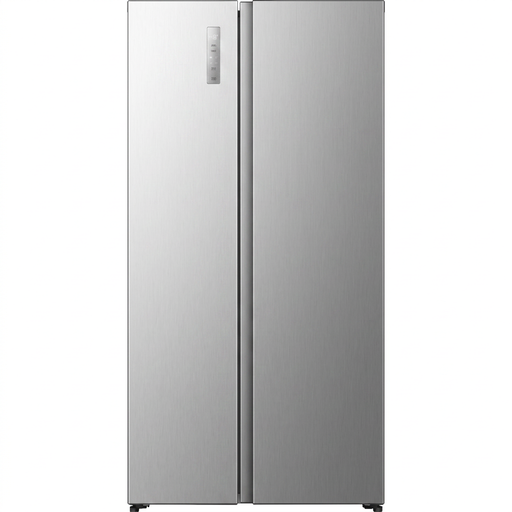 No image available
For replacing your fridge while still having a dedicated freezer compartment.
The stated freezer capacity is 197 L. The product description lists No Frost, Multi Air Flow and two freezer drawers.
 No image available
For stocking up in a standalone chest freezer with a removable basket.
Stated capacity: 291 L. The product description lists five temperature settings and fridge and freezer modes. It recommends leaving at least 10 cm of clearance for ventilation.
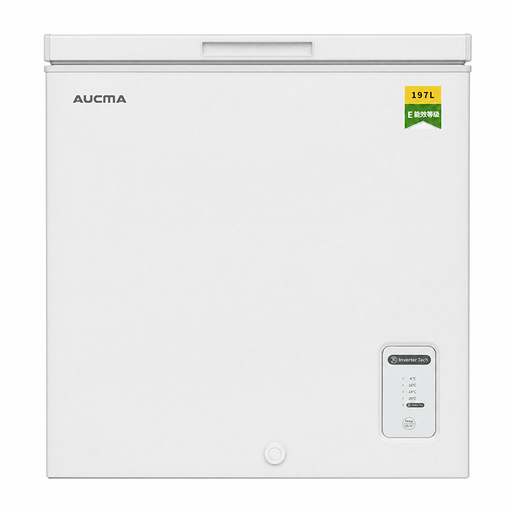 No image available
For adding standalone freezer space, with a removable basket.
Stated capacity: 197 L. The product description lists five temperature settings and fridge and freezer modes. It recommends leaving at least 10 cm of clearance for ventilation.
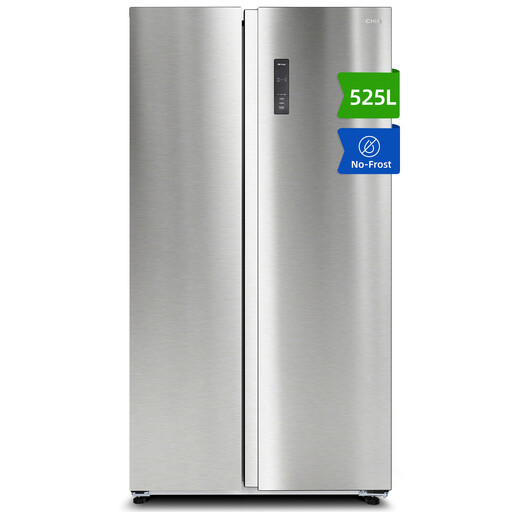 No image available
For replacing an appliance while keeping fresh and frozen food in separate compartments.
The product description states a capacity of 333 L for the fridge and 192 L for the freezer, with No Frost, Multi-Airflow and freezer drawers.
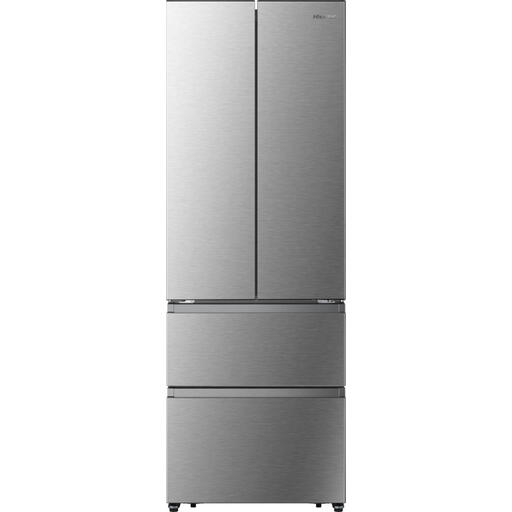 No image available
For replacing your fridge while adding a dedicated freezer compartment.
Stated freezer capacity: 149 L. The product description lists Total No Frost and two freezer compartments.
Only if the ambient temperature range specified for the model covers the temperatures your garage may reach. UFC-Que Choisir states that climate classes SN and N start at 10 °C and 16 °C respectively. Liebherr specifies FrostProtect down to −15 °C for the CFd 2505 Plus only. Check the manual for the model you’re considering.
Anses recommends eating defrosted food promptly and not refreezing it. For home freezing, it recommends freezing food as soon as you buy or prepare it, and defrosting it in the fridge, in the microwave using the defrost setting or as part of cooking.
Compare the annual energy consumption in kWh and the separate capacities shown on the EU energy label for the models you’re considering. ADEME reminds consumers that fridges and freezers run continuously. The figure shown for each appliance helps you compare models, but doesn’t predict your household’s actual energy use.
The statutory guarantee of conformity applies to goods sold by a professional to a private individual. For a new product, you have two years to make a claim under this guarantee. The French Ministry of the Economy and Finance distinguishes this mandatory guarantee from an optional commercial guarantee.
When buying an appliance of the same type, ask about having your old electrical appliance taken away. The French ministry responsible for ecology describes a “one-for-one” take-back scheme. Check the practical arrangements for delivery and collection with the seller.