
Livraison le jour même ou le lendemain

Qualité garantie

Débloquez vos offres de bienvenue: Livraison GRATUITE | Jusqu'à -80 % | 30 jours d'essai gratuits à JoyPlus
Téléchargez l'application
Cheese snacks now come in all shapes and sizes – crisps, breaded bites, instant noodles, sauces, puffed biscuits and specialities from Asia or the Americas. That means it’s easy to find something for a quick break or a sharing platter. The downside? With so many options, choosing the right one isn’t always straightforward.
A brightly coloured packet or the simple word “cheese” isn’t enough to judge a product. The actual cheese content, the level of heat, storage requirements and any potential allergens can completely change your experience. Here’s what to look at before you fill your basket.
Some products rely heavily on flavourings, whey, maltodextrin or a seasoning blend. They can deliver a cheesy taste without cheese being a major ingredient. Always check the ingredients list and any percentages given.
A sauce might, for example, taste cheesy while containing very little cheese – or even just a “cheese flavouring”. That’s not necessarily a bad thing, but it’s worth knowing so you can properly compare cheese crisps, cheese bites or a four-cheese pizza.
Spicy cheese snacks often combine a creamy base with a generous kick of chilli. The sensation in your mouth can vary enormously. Products containing habanero, chilli powder or capsaicin won’t suit every palate.
The words “spicy” or “hot” aren’t just for show – take them seriously. For your first taste, it’s best to go for an individual pack or a small portion. That way you won’t end up with a stash nobody wants to finish.
Dry products generally keep well in a cool, dry place away from moisture. Frozen items, like certain cheese bites, must stay in the freezer at -18 °C or below. A break in the cold chain can ruin the texture and compromise food safety.
Also check the net weight. A 50 g bag is fine for a solo snack, while a 650 g or 700 g pack is better suited to a family, a party or a bulk buy.
In France and across the European Union, allergens must be clearly highlighted in the ingredients list. For cheese products, watch out for milk, whey, wheat, soya, sesame and, depending on the recipe, mustard or celery.
Imported products may have a different composition from the same item sold in another country. So read the label on the product page carefully, then check the one on the packaging you receive. This is especially important if you have an allergy or intolerance.
Compare the information per 100 g, rather than relying solely on the per-portion values. Cheese crisps and savoury biscuits are often high in fat and salt. For example, Takis Queso Volcano Cheese contains 517 kcal, 30 g of fat and 1.9 g of salt per 100 g.
These figures don’t tell you about taste, but they do let you compare different snacks objectively. For instant cheese noodles, also look at the salt content in the seasoning sachet and the total weight of the portion once prepared.
Noodles, sauces and ready-to-eat snacks each come with different requirements. Instant cheese noodles usually take just a few minutes to prepare, while frozen bites need to go in the oven or an air fryer.
Follow the instructions on the packet: temperature, cooking time, amount of water and whether you need to cook the product from frozen. For a cheese and jalapeño sauce, also check the storage conditions after opening – the ZAASCHILA brand, for instance, must be refrigerated and used within the time stated by the manufacturer.
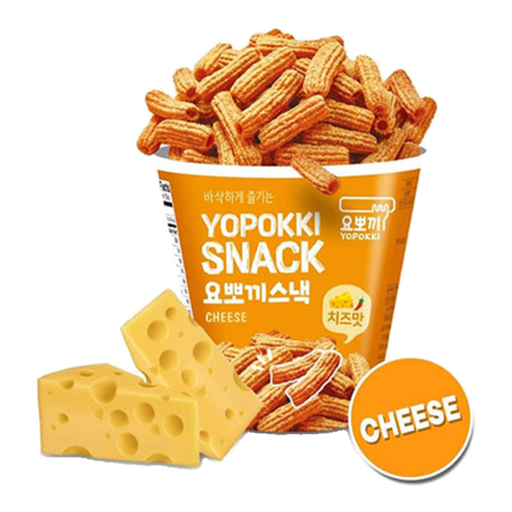
Why this suits this profile: At 50 g, this pack lets you try a Korean speciality without committing to a larger size. This ready-to-eat snack combines a crunchy texture with cheesy and spicy notes.
The small size limits waste and lets you test the heat level before buying a larger quantity.
50 g format, product from South Korea, contains milk, soya and wheat – check according to your needs.
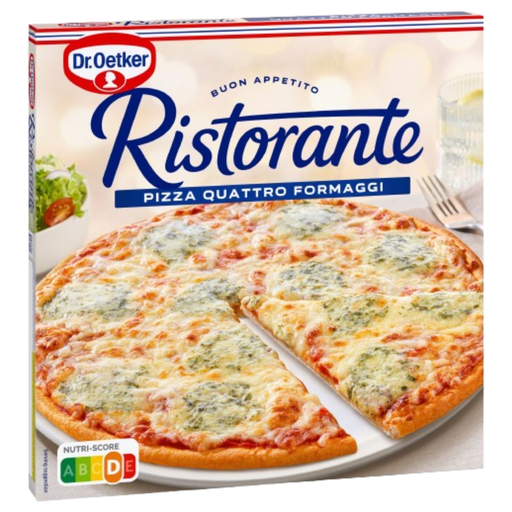
Why this suits this profile: This frozen pizza features a thin base and four clearly identified cheeses: mozzarella, edam, emmental and blue cheese. It’s a practical option for a quick oven-baked meal.
The percentages of several cheeses are stated, so you can compare it to a simple cheese-flavoured pizza.
340 g format, cook from frozen, 10 % mozzarella, 10 % edam and 4.1 % emmental according to the product sheet.
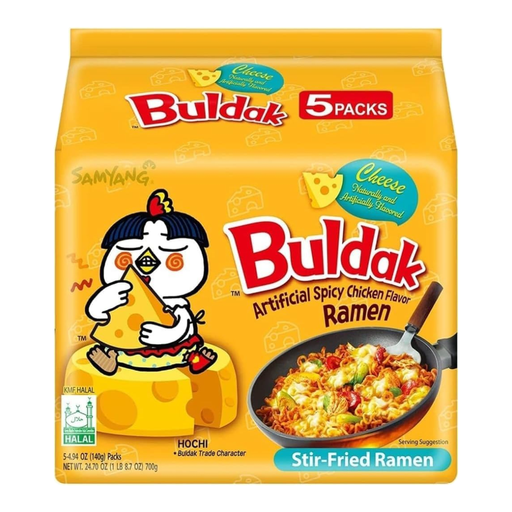
Why this suits this profile: With five sachets, this multipack is ideal for households, students and regular fans of Buldak cheese ramen. Each portion needs around 500 ml of water and just a few minutes to cook.
The multipack reduces the need for repeat orders, while the instructions clearly state the water quantity and when to add the seasoning.
Multipack of 5 × 140 g, wheat noodles, cheese seasoning, contains wheat, soya, milk and sesame – please take note.
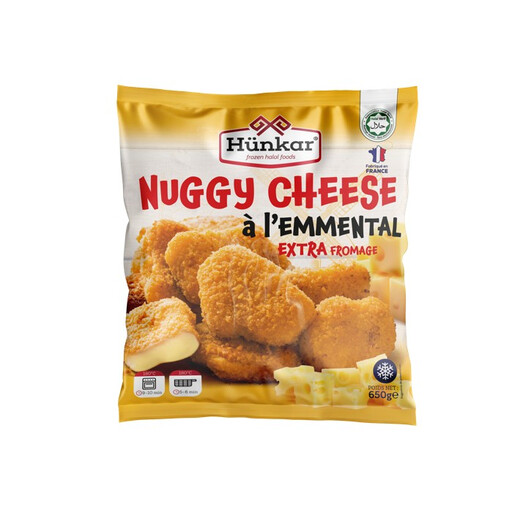
Why this suits this profile: These frozen emmental nuggets are designed to be served hot as a sharing snack. At 650 g, the pack is perfect for get-togethers and big tables.
A cooking time of around 10 minutes in the oven gives you a concrete benchmark, far from vague promises of express preparation.
Hot preparation, 66 % processed cheese preparation according to the product sheet, store in the freezer at -18 °C or below.
We’ve put together a complete, real-time selection of products that meet these strict criteria, all while complying with European safety regulations.
For several people, go for sharing formats and products that are easy to divide up. Emmental nuggets, cheese crisps or a cheese and jalapeño sauce served with nachos are all good options. Just check whether the product is frozen and allow for the necessary cooking time.
Seal crisps, biscuits and other dry products tightly and keep them in a dry place. Frozen products must stay at -18 °C or below until you’re ready to prepare them. An opened sauce should generally be kept in the fridge, following the instructions on the label carefully.
Some certainly are – especially Buldak noodles and several snacks inspired by tteokbokki. The heat level depends on whether the recipe contains chilli, habanero or capsaicin. If you’re mainly after the cheesy flavour, start with a milder option or use only part of the seasoning where the preparation allows.