
Livraison le jour même ou le lendemain

Qualité garantie

Débloquez vos offres de bienvenue: Livraison GRATUITE | Jusqu'à -80 % | 30 jours d'essai gratuits à JoyPlus
Téléchargez l'application
Cheese snacks have plenty to offer: a bold flavour, a crunchy texture or a deliciously gooey centre. But a "cheese flavour" label doesn't guarantee the product actually contains a significant amount of cheese. Biscuits, crisps, frozen specialities or dog treats – the criteria you need to look at aren't the same.
Before you fill your basket, keep three pitfalls in mind:
Ingredients are listed in descending order by weight. For breaded mozzarella or cheese bites, check the percentage of cheese or cheese preparation. The HÜNKAR Mozzarella Sticks, for example, contain 52% mozzarella-based preparation, while the HÜNKAR Camembert Medallion contain 70% melted camembert-based preparation.
In cheese biscuits and crisps, the cheese powder can be far less prominent. A product can have a very strong taste while being made mostly of flour, oil, maize or starch.
Start by comparing the values for 100 g, then relate them to the amount you actually plan to eat. As a guide, the Crispy Bread Cubes with cheese show 548 kcal and 1.4 g of salt per 100 g. The Oishi Cheese Stick shows 480 kcal and 2.49 g of salt per 100 g. These figures don't tell you anything about the eating experience, but they do help you distinguish an occasional treat from a product to serve with more moderation.
For a cheese aperitif with several people, a larger format can be more practical. Conversely, for a solo tasting or a quick break, a 35 to 45 g packet lets you better control the amount you open.
Dry products are generally best kept in a cool, dry place. After opening, it's a good idea to store them in an airtight container. Frozen specialities, on the other hand, must stay at −18 °C or below until the date shown on the packaging.
Breaded mozzarella, emmental nuggets and cheese bites aren't ready to eat as they are – they need to be cooked according to the instructions. Also remember to check how much space you have in your freezer and how long the preparation will take before placing your order.
For sauces, the storage conditions after opening matter just as much. The ZAASCHILA cheese sauce with jalapeño peppers can be kept at room temperature before opening, then must be refrigerated and consumed within the time stated on its product page and packaging.
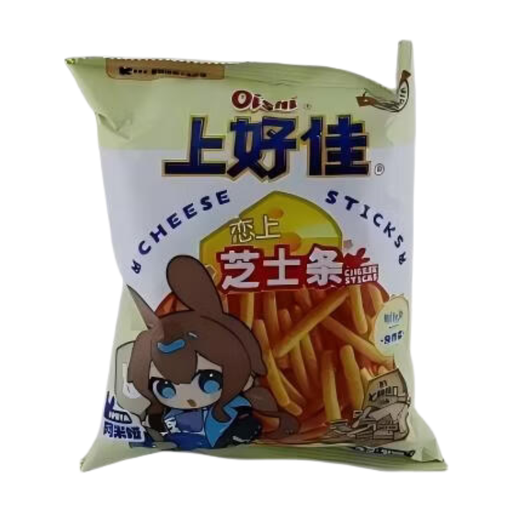
Why this choice suits this profile: At 40 g, this packet lets you try the product without committing to a larger format straight away.
The net weight is clearly stated and the ingredient list mentions the presence of wheat flour, milk and fish, making it easy to check for allergens.
A crunchy texture, an individual format and nutritional values of 480 kcal and 2.49 g of salt per 100 g.
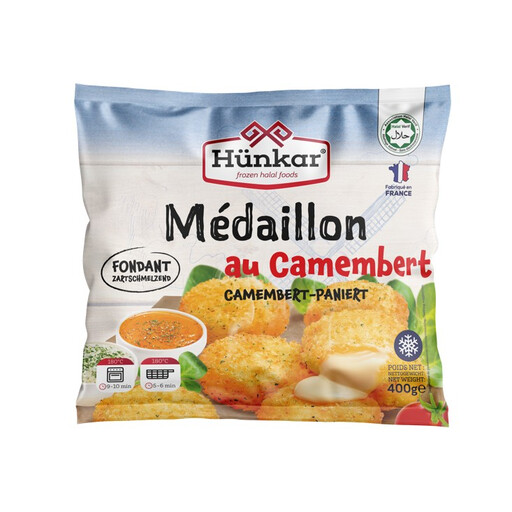
Why this choice suits this profile: These medallions offer a refined presentation and fit just as easily into an aperitif as they do at the heart of a sociable meal.
The composition states 70% camembert-based preparation and clearly distinguishes the 30% breadcrumb coating.
A 400 g format, a cooking time of around ten minutes and freezer storage.
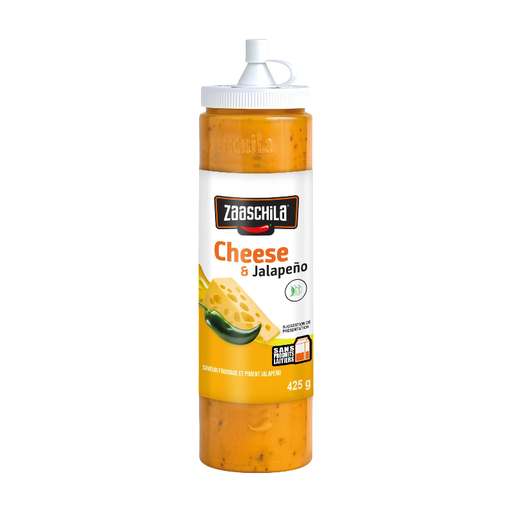
Why this choice suits this profile: At 425 g, this sauce easily accompanies nachos, burgers, tacos, chips or grilled vegetables for several guests.
The product page specifies the jalapeño content, set at 0.6%, as well as the storage conditions before and after opening.
A ready-to-serve sauce, a family-sized bottle and a very versatile use for a cheese aperitif.
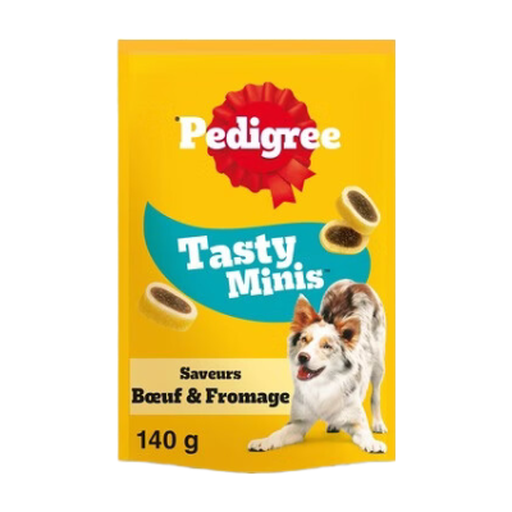
Why this choice suits this profile: These small cheese treats are ideal for occasional rewards and training sessions.
The product page presents it as a complementary food and mentions 4% beef as well as 4% cheese powder. Always check the label on the product you receive.
A 140 g format, miniature bites and the recommendation to leave fresh water available.
We've put together a complete, real-time updated selection of products that meet these demanding criteria and European safety standards.
For something to eat straight away, go for a dry product in a small packet: sticks, biscuits or cheese crisps. If you prefer a hot, crunchy result, opt for a frozen speciality – just check the cooking time and how much space you have in the freezer first.
Follow the instructions on the label. The ZAASCHILA sauce must be kept in the fridge after opening and consumed within the recommended time. Always use a clean utensil, then seal the container carefully.
Cheese treats for dogs or cats are complementary foods, not complete meals. Stick to the recommended portion, factor it into your pet's daily diet and check the ingredient list if you know of any allergies. For cats, a moist recipe like INABA chicken, tuna and cheese bites must be kept in the fridge after opening, in line with the manufacturer's instructions.