
Livraison le jour même ou le lendemain

Qualité garantie

Débloquez vos offres de bienvenue: Livraison GRATUITE | Jusqu'à -80 % | 30 jours d'essai gratuits à JoyPlus
Téléchargez l'application
Cheese crisps are loved for their bold taste, satisfying crunch and sociable appeal. But not every option suits every occasion. Whether you're after a single portion, a sharing platter or keen to explore Korean cheese snacks, the criteria are quite different.
Before you choose your cheese crisps, take a moment to check three things that are often overlooked in favour of the packet design: the actual intensity of the seasoning, the ingredients and the pack size. That way, you'll avoid disappointment when you open the bag or serving something that doesn't suit everyone around the table.
A "cheese flavour" label doesn't necessarily mean the product contains a meaningful amount of cheese. Some recipes rely mainly on flavourings, whey, salt and flavour enhancers. So, always check the ingredients list and look for cheese powder, cheddar, camembert, manchego or another clearly named cheese.
The proportion can also vary significantly. For example, Torres Selecta Manchego crisps contain 4.92% aged cheese flavour, while Brets camembert crisps list 2.9% camembert powder.
Spicy cheese crisps can vary wildly in heat depending on the recipe. Takis Queso Volcano Cheese combine chilli and cheese, with a warning that the flavour is extremely spicy. In contrast, Brets goat's cheese and Espelette chilli crisps offer a more gradual peppery note.
For a group gathering, it's best to have a mild option and a bolder one available separately. That way, everyone can enjoy themselves without one flavour profile dominating the whole tasting.
A 40 g to 75 g bag is ideal for individual snacking or a comparative tasting. For sharing at a party, 120 g to 156 g packs are much more practical. Once opened, seal the bag carefully and eat the crisps promptly to keep them crunchy.
Always check the best-before date, storage instructions and allergens on the packaging you receive. This information can vary by market or batch.
French cheese crisps are usually made from potatoes. Savoury biscuits and cheese snacks can also be made from corn semolina, wheat flour or brown rice.
The base affects the mouthfeel, but also the allergens. A wheat-based recipe contains gluten, while a rice-based one may be labelled gluten-free, though it's worth checking for possible traces on the label.
To compare several products, look at the values per 100 g, rather than relying solely on front-of-pack claims. The differences can be significant:
These figures alone don't tell you about taste or quality, but they do help you match your choice to the serving size and the occasion.
Milk is very common in cheese-flavoured crisps, appearing as cheese powder, butter, whey or milk powder. Soya, wheat, peanuts, tree nuts, mustard and celery may also be listed as allergens or possible traces.
For a family buffet, keep the packets or take photos of the labels so everyone can check the ingredients. If someone has a known allergy, a "may contain" warning should never be ignored.
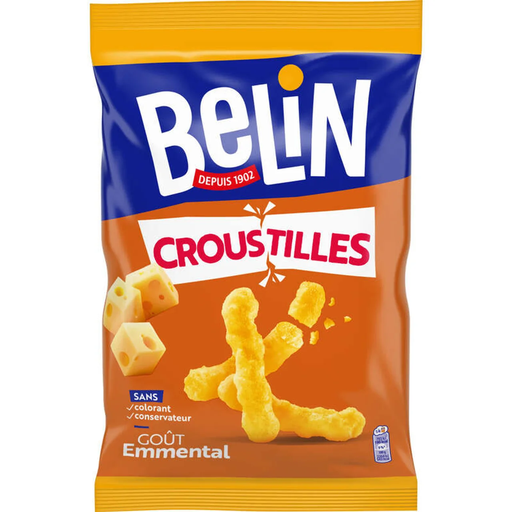
Why this suits this profile: Its family-size pack is ideal for a first purchase and a fuss-free aperitif, with a corn base and a clearly stated emmental flavour.
The ingredients list 3.5% cheese powder, rather than relying on a mere flavour promise.
A 138 g pack, with 543 kcal and 1.5 g salt per 100 g according to the information provided.
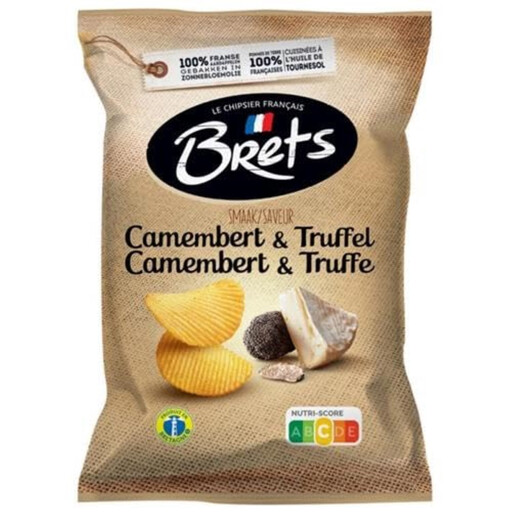
Why this suits this profile: The combination of camembert and truffle pairs beautifully with a cheese board or drinks at a more sophisticated aperitif.
The recipe states 2.9% camembert powder and 0.06% summer truffle powder, giving a clearer idea of the flavour profile.
Potatoes sourced from France, sunflower oil and a 125 g bag.
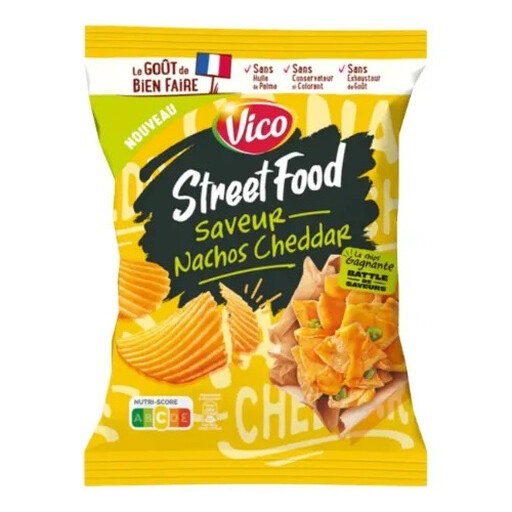
Why this suits this profile: The ridges are perfect for scooping up dips, making them ideal for movie nights, big gatherings or aperitifs with salsa and guacamole.
The product page states it is made in France, with French potatoes and no flavour enhancers.
A 120 g pack, with 511 kcal and 1 g salt per 100 g, plus a texture that's ideal for dipping.
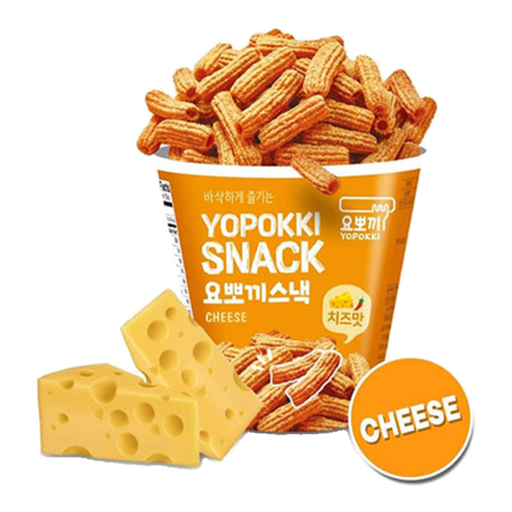
Why this suits this profile: This Korean cheese snack combines a wheat base, tteokbokki-inspired spices and a cheesy note in a small pack.
At 50 g, it lets you try the experience without a big commitment and is perfect for individual tasting.
A product from South Korea, ready to eat, with milk, soya and wheat listed among its allergens.
We've put together a comprehensive, real-time updated list of products that fully meet these strict selection criteria and European safety regulations.
For an aperitif with several different foods, allow roughly 30 to 50 g of snacks per person, depending on the number of guests and whether you're also serving cured meats, crudités or cheese to cut. Mixing a family-size bag with a few individual packs lets you offer several flavours without opening lots of packets.
Yes, but their crunch gradually fades when exposed to air. Seal the bag with a clip or transfer the contents to an airtight container, then store in a dry place at room temperature, away from heat. For the best texture, though, it's best to eat them soon after opening.
Go for cheddar or a mild recipe if you're serving dips and want to please the widest audience. Camembert, brie or manchego crisps are more for cheese lovers and themed tastings. Spicy cheese crisps, like Takis or certain Buldak recipes, are best for chilli fans. Always check the stated heat level and the ingredients list before serving.