
Livraison le jour même ou le lendemain

Qualité garantie

Débloquez vos offres de bienvenue: Livraison GRATUITE | Jusqu'à -80 % | 30 jours d'essai gratuits à JoyPlus
Téléchargez l'application
The remote that won't respond, the car that refuses to start on a freezing morning, the dead smartphone at the worst possible moment abroad... More than just minor annoyances, running out of power can turn a good day into an ordeal. The market for charging and power solutions is a jungle, filled with marketing promises that rarely deliver. To help you stop making mistakes and start investing wisely, let's break down the common pitfalls to avoid.
To avoid these disappointments, you just need to focus on a few key technical specifications. These are the true arbiters of a product's performance and safety.
The alkaline vs. rechargeable debate depends entirely on the device you need to power.
Whether for maintenance or an emergency, the safety of your vehicle's onboard electronics is non-negotiable.
When you're travelling, convenience should never come at the cost of safety.
To help you cut through the noise, we've selected products that meet our strict criteria for reliability and safety, matching them with typical user profiles.
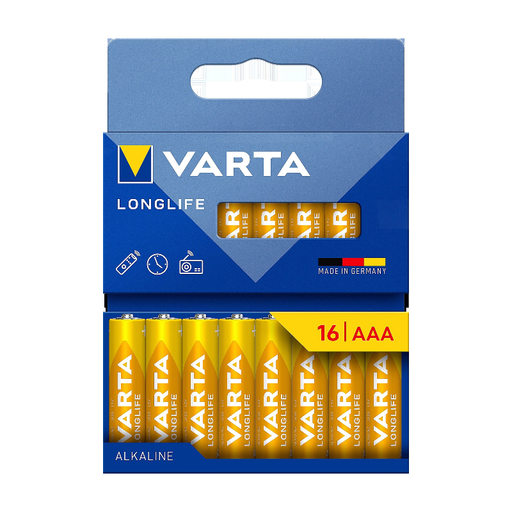
Why we chose it: Perfect for always having a reliable power source on hand for everyday, low-drain devices: remotes, wall clocks, radios, etc.
These batteries are specifically designed for devices with low, constant power consumption. This prevents the premature draining seen when using unsuitable batteries in power-hungry devices.
A guaranteed 10-year shelf life. The assurance of having working batteries the day you really need them.
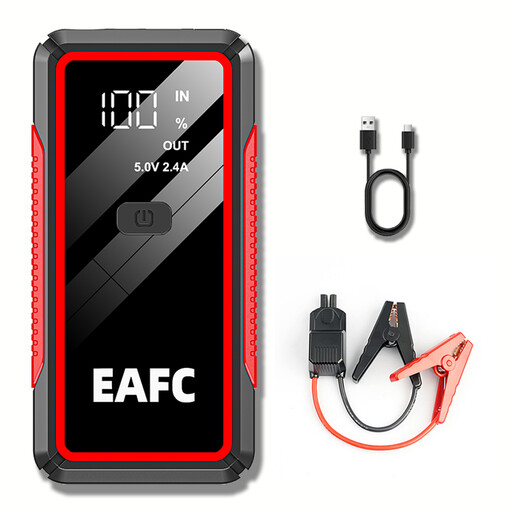
Why we chose it: For the driver who wants absolute peace of mind. This compact booster can start most cars and SUVs, while also serving as a power bank for a smartphone.
It delivers a true 2000A peak current and comes with smart clamps featuring multiple protections (reverse polarity, overcurrent, etc.). This ensures a safe and effective jump-start, a far cry from the fantasy performance claims of some gadgets.
Its wide compatibility (petrol engines up to 6.0L, diesel up to 4.0L) and its resistance to extreme temperatures (-10°C to +85°C).
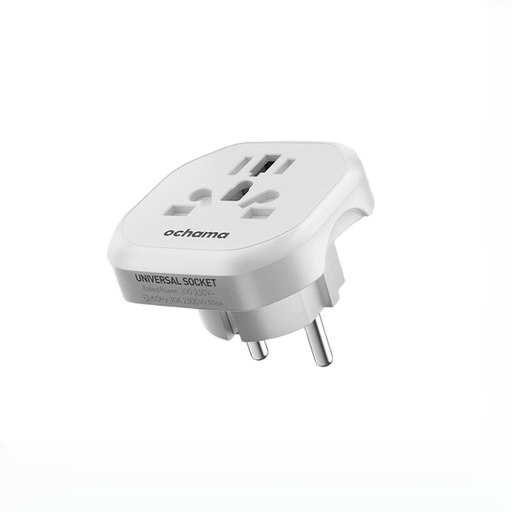
Why we chose it: The globetrotter's essential accessory. It allows you to safely plug in your devices in over 150 countries without being weighed down by a myriad of different adapters.
It is clearly presented as a plug adapter, not a converter. Its fire-retardant construction and built-in child safety features set it apart from non-compliant, entry-level products.
A robust, pressure-resistant design, built for the rigours of travel, with near-universal compatibility.
Explore our complete and up-to-date selection of products that meet these strict selection criteria and current safety standards.
It all depends on the use case. For low-drain devices (remotes, clocks), alkaline batteries are ideal because they hold their charge for a very long time. For power-hungry devices (game controllers, cameras), rechargeable batteries (NiMH) are more economical and eco-friendly in the long run, despite a higher initial cost.
A quality battery booster is designed to be completely safe. Modern models include "smart" clamps equipped with multiple protections: reverse polarity, short circuits, overcharging, overheating, and more. These safety features block the current if the clamps are connected incorrectly and protect the vehicle's onboard electronics. It's a solution that is as safe as, if not safer than, a traditional jump-start with cables.
Yes, that's the entire purpose of a portable electric car charger, sometimes known as a Level 1 or occasional use charging cable. Equipped with a standard household plug (like a Schuko), it allows you to charge an electric or plug-in hybrid vehicle (EV/PHEV) without any special installation. However, it is crucial to choose a model that allows you to adjust the charging current (e.g., from 6A to 16A) to match your electrical circuit's capacity and prevent overheating. For regular use at 16A, it is still recommended to have your wiring checked by a professional.