
Livraison le jour même ou le lendemain

Qualité garantie

Débloquez vos offres de bienvenue: Livraison GRATUITE | Jusqu'à -80 % | 30 jours d'essai gratuits à JoyPlus
Téléchargez l'application
We’ve all felt the dread of a low battery. Yet, choosing the right charging accessory can feel like navigating a minefield. Between marketing promises and opaque technical jargon, it's easy to end up with a product that's inefficient, or even dangerous.
As the Head of Product Recommendations at Joybuy, my mission is to help you cut through the noise. Let's forget the marketing speak and focus on what really matters. Here are the most common pitfalls to avoid and the essential criteria for making an informed choice.
To avoid these pitfalls, you just need to understand a few key technical specifications. They are your guarantee of performance, safety, and longevity for your charging accessories.
Charging speed doesn't just depend on the charger, but on the chemistry between the charger, the cable, and the device.
Always check that the charger and cable support the protocol and power required by your device.
If you see "GaN" mentioned, pay attention. A GaN charger uses gallium nitride instead of traditional silicon. In practical terms, this allows for chargers that are:
This technology is particularly beneficial for multi-port chargers and high-power models, as it significantly reduces their size and bulk.
A good charger is useless without a good charging cable. A poor-quality cable can throttle charging speed, overheat, or wear out quickly. Look for cables with a braided nylon sheath for better resistance to bending and reinforced connectors.
For travel, a power bank (or portable charger) with built-in cables or a multi-port car charger can make your life easier.
Every user has different needs. Here is our selection, designed for various profiles to help you find the perfect solution.
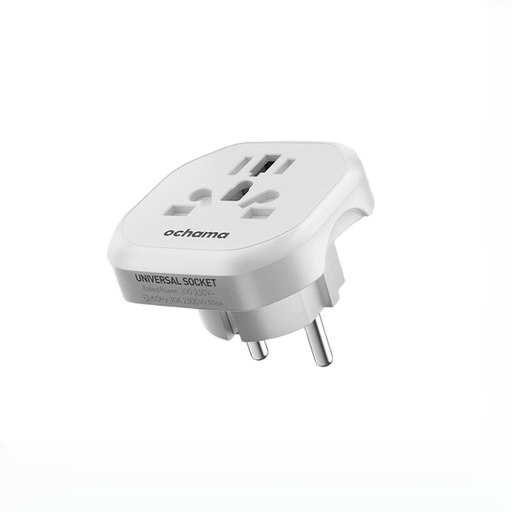
Why it's a great choice: Perfect for frequent international travellers. This single universal travel adapter covers over 150 countries, saving you from juggling multiple adapters.
Ends the headache of incompatible outlets abroad. Its robust design and fire-retardant materials prevent durability and safety issues.
Global compatibility (USA, Europe, UK, Australia...) and enhanced safety with a built-in child-safe shutter.
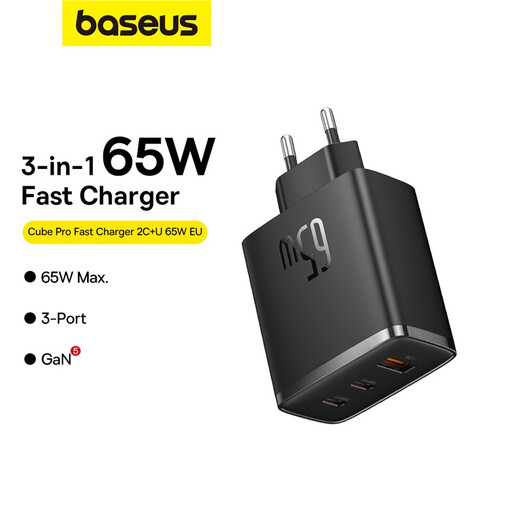
Why it's a great choice: For those who juggle a laptop, smartphone, and tablet. This compact GaN charger replaces three bulky chargers with a single, powerful solution.
It delivers true fast charger performance (up to 65W) and intelligent power management across its 3 ports, avoiding the "fake fast charge" and overheating traps.
GaN5 technology for maximum compactness and 3 ports (2 USB-C, 1 USB-A) for total versatility.
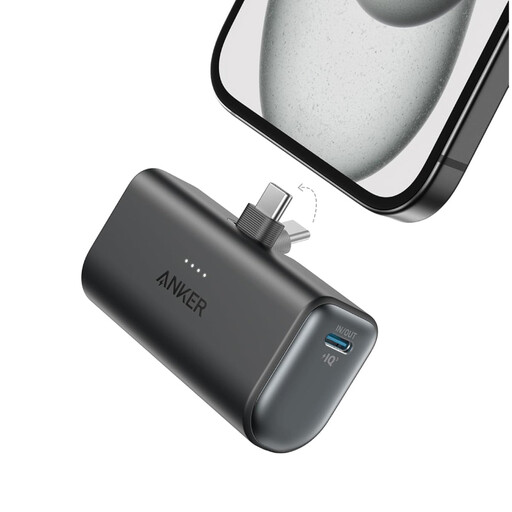
Why it's a great choice: The perfect everyday companion. This ultra-compact power bank slips into a pocket and provides a quick top-up charge without the hassle of a cable.
Its built-in, foldable USB-C connector eliminates the risk of forgetting or tangling your cable. The 22.5W output is clearly specified for fast, effective charging with no false promises.
Integrated and foldable USB-C connector, pocket-sized design, and PowerIQ 3.0 fast-charging technology.
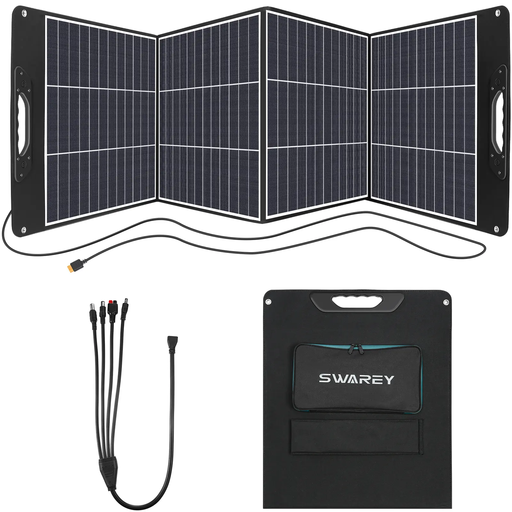
Why it's a great choice: For fans of camping, van life, or anyone seeking energy independence. This portable solar panel can directly charge devices or a power station.
Unlike low-power solar gadgets, this 200W panel offers real energy generation capability. Its multiple outputs (USB-A, USB-C, XT60) ensure broad compatibility.
High conversion efficiency (23%), foldable design with adjustable kickstands, and wide compatibility with portable power stations.
Explore our full selection of products that meet our performance criteria and European safety standards.
A USB-C charger with Power Delivery (PD) is a 'smart' charger. It communicates with the connected device to deliver the exact amount of power needed, up to its maximum capability. This allows for much faster and safer charging than a standard USB charger, which delivers a fixed and typically low amount of power.
No, not if it's a quality charger that adheres to standards (like the PD protocol). The device being charged will only draw the maximum power it can accept. Using a 65W charger for a phone that only accepts 20W is no problem; the phone will simply charge at 20W. The risk comes from low-quality chargers that don't regulate voltage properly.
Check three things: the maximum supported power (in watts), compatibility with fast-charging protocols (PD, QC), and build quality. A good charging cable for fast charging should be able to handle at least 60W. Prioritise braided nylon sheaths and reinforced connectors for better durability. The PAVAREAL Q51CTC cable, for example, supports up to 100W, making it suitable even for laptops.