
Livraison le jour même ou le lendemain

Qualité garantie

Débloquez vos offres de bienvenue: Livraison GRATUITE | Jusqu'à -80 % | 30 jours d'essai gratuits à JoyPlus
Téléchargez l'application
A drawer overflowing with underpowered chargers, a tangled mess of cables, a dead car battery on a Monday morning... It's a familiar story. The charger market is a jungle of marketing promises that too often end in disappointment. Before spending a single penny, it's crucial to know how to avoid the pitfalls that turn a good deal into a useless, or even dangerous, gadget after just a few months.
As the head of product selection at Joybuy, my job is to sort through the noise for you. Let's cut through the marketing jargon and focus on what really matters. Here are the two most common mistakes to avoid:
To make an informed choice, focus on a few non-negotiable technical specifications. These, not the marketing, are what guarantee the performance and safety of your future charger.
Charging speed doesn't just depend on watts (W). It's primarily dictated by the synergy between the charger and your device's fast-charging protocols.
The type of connector is obviously the first thing to check. Make sure you choose the right charger for your primary use case.
This is a non-negotiable point. A poor-quality charger can cause overheating, short circuits, and irreparably damage your devices.
Rather than just a list of products, we've outlined specific scenarios to help you find the charger that will fit perfectly into your daily life.
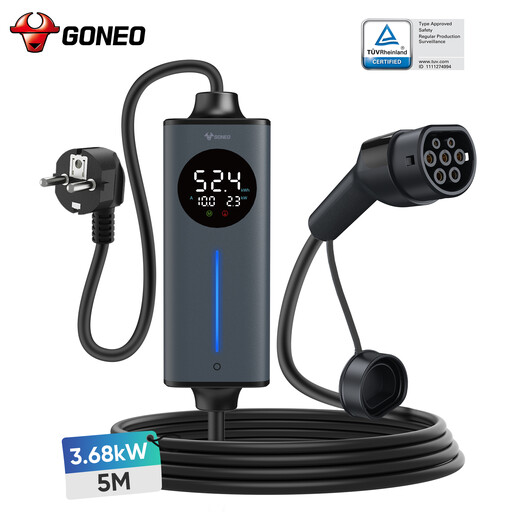
Why it's the perfect match: Perfect for those who don't have a Wallbox at home or are often on the go. It allows you to charge your electric or hybrid car from any standard household socket (Schuko), offering maximum flexibility.
It bypasses the hurdle of complex and costly installations. It's a "plug-and-play" solution that integrates all the essential safety features (RCD, overheating protection), ensuring peace of mind without needing a professional.
Its portability and universal compatibility (Type 2). The delayed charging function is a real bonus for taking advantage of off-peak hours.
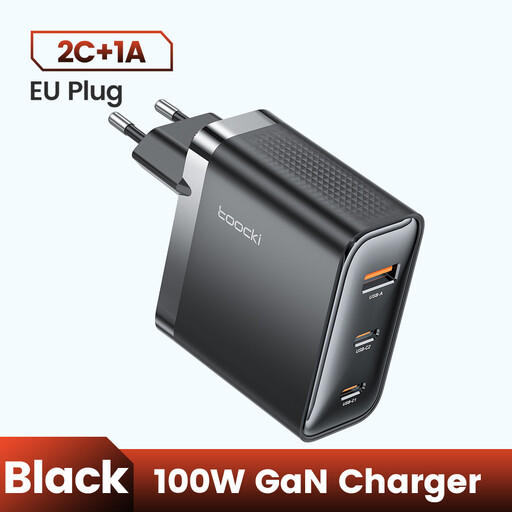
Why it's the perfect match: Essential for anyone juggling a laptop, smartphone, and tablet. This single charger replaces three bulky power bricks, making for a clutter-free desk and a lighter travel bag.
It avoids the "universal but sluggish" charger trap. Thanks to GaN technology and its intelligently distributed 100W of power, it provides truly fast, simultaneous charging for multiple power-hungry devices, including a MacBook Pro.
GaN technology for an ultra-compact design. Three ports (2 USB-C, 1 USB-A) for unbeatable versatility.
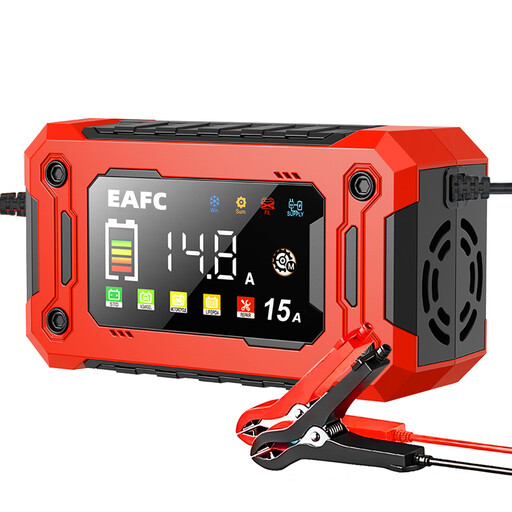
Why it's the perfect match: The essential accessory for car or motorcycle owners who drive occasionally or store their vehicle for the winter. It keeps the battery at its optimal charge level and ensures it starts up instantly.
It saves you the cost and hassle of replacing a battery too soon. Its pulse repair function can even recondition sulfated batteries, extending their lifespan and saving you an expense.
Fully automatic operation with auto-shutoff. Wide compatibility with most battery types (AGM, GEL, etc.).
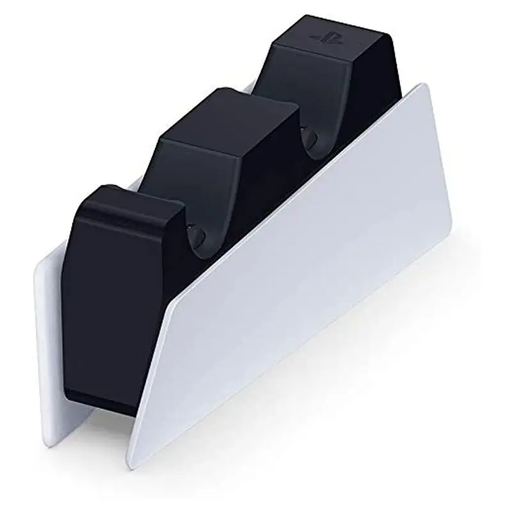
Why it's the perfect match: For the PS5 gamer who loves a pristine gaming setup and controllers that are always ready for action. This official station charges two DualSense controllers at the same time, with a design that perfectly matches the console's aesthetic.
No more cable clutter or monopolised console USB ports. The "click-in" charging system is simple and reliable, unlike some third-party stations where you have to fiddle to get the controller positioned correctly.
Official Sony product, a guarantee of perfect compatibility and safety. Frees up the PS5's USB ports for other accessories.
We have selected a full range of products that meet our demanding selection criteria and rigorous safety standards.
Simply put, for the same wattage, a GaN charger will be smaller, lighter, and run cooler. This gain in energy efficiency makes it possible to create powerful, multi-port chargers in a pocket-sized format.
Yes, most modern battery maintainers are designed for this. They switch to "maintenance" or "float" mode as soon as the battery is full. The charger then delivers only a tiny current to compensate for natural self-discharge, with no risk of overcharging. As a precaution, it's still a good idea to check the manufacturer's manual.
Generally, no. A portable EV charger plugged into a standard household socket (16A) delivers about 3.7?kW. A Wallbox installed by a professional can provide 7.4?kW, 11?kW, or even 22?kW, which drastically cuts down charging time. The portable charger is an excellent backup or travel solution, but it won't replace a fixed station for 'filling up' as quickly as possible.