
Livraison le jour même ou le lendemain

Qualité garantie

Débloquez vos offres de bienvenue: Livraison GRATUITE | Jusqu'à -80 % | 30 jours d'essai gratuits à JoyPlus
Téléchargez l'application
Choosing a charger or adapter has become a real headache. Between promises of ultra-fast charging and claims of universal compatibility, it's easy to end up with a drawer full of useless or, worse, dangerous accessories. This guide is here to help you navigate marketing traps, decode technical specs, and choose a product that truly meets your needs.
A rock-bottom price often hides compromises that can be costly in the long run. Here’s a look at the three most common mistakes when buying a charger or adapter.
To avoid falling into these traps, a few objective technical specifications make all the difference. They are the true guarantors of a charger or adapter's quality and performance.
Power, measured in watts (W), is a good indicator, but it isn't everything. For truly efficient charging, the charger must "speak" the same language as your device using the right charging protocols.
Certifications are more than just logos; they guarantee that a product has been tested and complies with rigorous safety and performance standards.
Our device ecosystems are increasingly diverse. A smart accessory must adapt to this reality.
Instead of an endless list, we've selected products for specific user profiles, so you can find the best solution for your daily life.
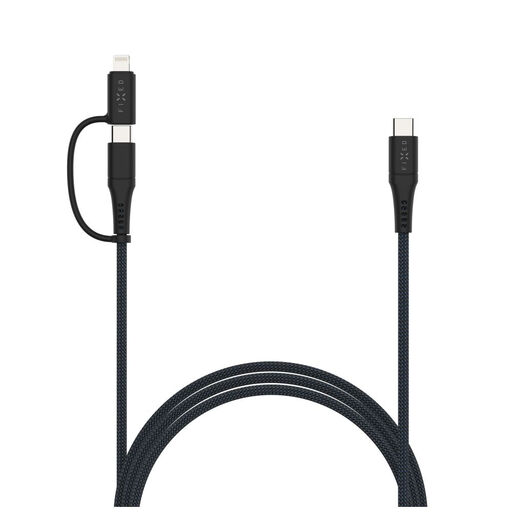
Why we chose it: Perfect for those who juggle an iPhone and a laptop or Android tablet. This single cable replaces two, simplifying your daily carry and charging routine.
It sidesteps the false universal compatibility trap with its MFi-certified Lightning adapter, ensuring flawless performance with Apple devices while also delivering 60W PD charging via USB-C for others.
2-in-1 versatility (USB-C and Lightning) and enhanced durability thanks to its braided sheath and reinforced metal connectors.
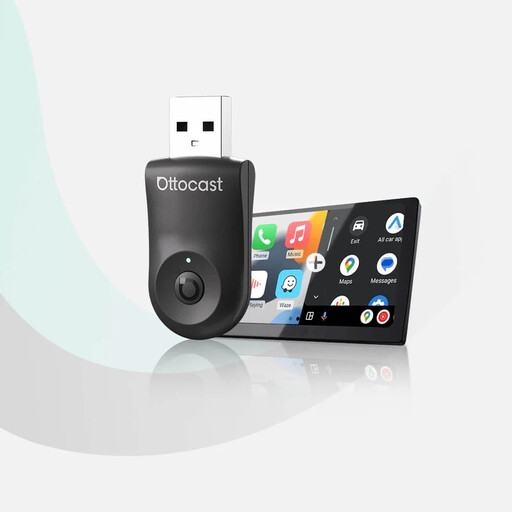
Why we chose it: For drivers of recent vehicles (post-2016) with wired CarPlay who want to finally break free from cables. The device connects once and then activates automatically every time you start the car.
It prevents premature wear on your phone's charging port and cable caused by constant plugging and unplugging. Its 5 GHz Wi-Fi connection ensures a stable transmission for navigation and music.
"Plug-and-play" installation in under a minute and an ultra-compact design that stays out of the way in your vehicle's USB port.
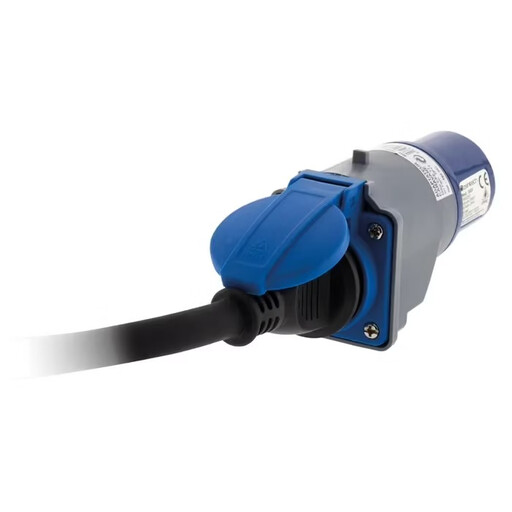
Why we chose it: The essential accessory for caravan, motorhome, or boat owners who need to connect to European electrical hook-ups (CEE17) at campsites and marinas.
It puts an end to low-quality, non-compliant adapters that can't handle the elements. Its IP44 certification protects it from water splashes, ensuring a reliable and safe connection outdoors.
Compact, cable-free design for a direct, clutter-free connection, with durability built for the outdoors.
We have selected a full range of products that meet our quality criteria and current safety standards.
A standard USB-C charger delivers a fixed wattage (e.g., 15W). A Power Delivery (PD) compatible charger communicates with the device to provide a much higher, optimised power level (up to 100W or more). PPS (Programmable Power Supply) is an even more advanced technology that continuously adjusts the voltage to optimise charging and reduce heat, which is especially useful for the batteries in some modern smartphones.
Absolutely. Power loss can occur over long distances, especially with a poor-quality cable. The wire's resistance causes a slight voltage drop, which slows down charging. For a charger extension cable or a 2- or 3-metre cable, it's crucial to choose a high-quality model, like the 3m FIXED braided cable, which is designed with thicker conductors to compensate for this loss.
For car accessories like a wireless CarPlay adapter or a dash cam hardwire kit, compatibility is crucial. The first step is to check the compatibility list provided by the manufacturer. It usually specifies the supported vehicle makes, models, and years. If in doubt, your vehicle's manual or specialised online forums can also provide information on its USB port and multimedia system specifications.