To offer something sweet alongside the charcuterie, start by choosing a shape that’s easy to serve: biscuit sticks or small bite-sized biscuits, or a larger pack if several people will be sharing. Then check how the coating is described, the allergens listed for the exact product you’ve chosen, and its nutritional information per 100 g. A wafer or a filled biscuit offers a different texture, but you’ll still need to check these details.
Who are these biscuits for?
Hosts looking for a sweet snack to share
If you’re serving the biscuits separately from the charcuterie board, a stick or a small biscuit is easy to pick up without cutting. Also check the pack size against the number of people who’ll be sharing them.
People who need to check allergens
If your guests have dietary restrictions, the label on the pack you choose matters more than how the biscuit looks. Depending on the product, the ingredients or precautionary warnings may include wheat, milk, soya, nuts or egg.
People comparing ingredients and recipes
A coating, a filling and a wafer don’t describe the same ingredients. Compare the ingredients list and nutritional information per 100 g, particularly sugars, saturates and salt.
What should you check first?
For your gathering, first decide how you’ll serve the sweet option, then check the details for the exact product before offering it to your guests.
| What to consider |
What to check |
Who it’s for |
| Sharing format |
Net weight, stated portions and any individual sachets. |
If I want to put out a sweet option that people can pick up without cutting, the biscuit shape and pack size matter more than anything else; around 40% of consumers prioritise this kind of serving convenience. |
| Allergens |
Ingredients for the exact product, highlighted allergens and ‘may contain’ warnings. |
If a guest needs to avoid certain ingredients, I need to be able to check the biscuit before serving it. Around 30% of consumers put this need to check first. |
| Ingredients and nutrition |
How the coating is described, ingredients, sugars, saturates and salt per 100 g. |
To choose between a filled biscuit, a wafer and a stick, I want to compare the recipes on the same basis rather than relying on the packaging alone; around 30% of consumers make this their priority. |
Mistakes to avoid
-
Assuming every coating is chocolate
Auchan’s product listing for an Oreo biscuit describes a ‘milk chocolate-flavoured coating’, while the listing for a P'TIT DELI stick specifies milk chocolate. These descriptions aren’t interchangeable.
Read the product description and ingredients for the one you’ve chosen, and check the proportion of the coating if it’s stated.
-
Choosing based on the Nutri-Score alone
In France, the DGCCRF states that displaying the Nutri-Score is voluntary. It doesn’t replace the ingredients list or the nutritional information required for the prepacked foods concerned.
To compare two packs, check the sugars, saturates and salt per 100 g. Use the Nutri-Score as an additional guide if it’s shown on the packaging.
-
Overlooking allergens because the biscuits are for sharing
A single recipe may contain several allergens, and precautionary warnings about possible traces vary from one product to another.
Keep the packaging handy and easy to read when serving, and make sure there’s another option for guests who can’t eat the product you’ve chosen.
Brands and products to know
Milka
Carrefour’s Choco Suprême Noisette is a wafer coated in milk chocolate. It’s worth considering if you’re after a crunchy texture rather than a filled biscuit.
- Carrefour describes it as a milk chocolate and hazelnut wafer.
- This recipe contains wheat, milk, soya and hazelnut, among other ingredients, and may contain egg. The 30 g Choco Supreme listed by Joybuy is a different format, so check the label on the one you buy.
BN
Carrefour describes Mini BN as a small, crunchy biscuit with a chocolate filling, rather than a biscuit that’s coated all over.
- Its mini size may work well when you’re serving individual bites.
- The product described contains wheat, rye and milk. Carrefour also warns that it may contain nuts.
P'TIT DELI
The 150 g milk chocolate-coated stick listed by E.Leclerc offers another shape to put out for guests to nibble on.
- E.Leclerc’s product listing states that this product contains 48% milk chocolate.
- It also lists wheat, milk and soya, along with 34.2 g of sugars per 100 g and a Nutri-Score E. Check the packaging of the exact product you choose.
Coated biscuits available on Joybuy
These products offer a sweet option to serve separately from the charcuterie: two Oreo formats described as having a white coating, plus a small BT21 format presented as biscuit sticks for nibbling. Check the labels to compare the recipes and check for allergens.
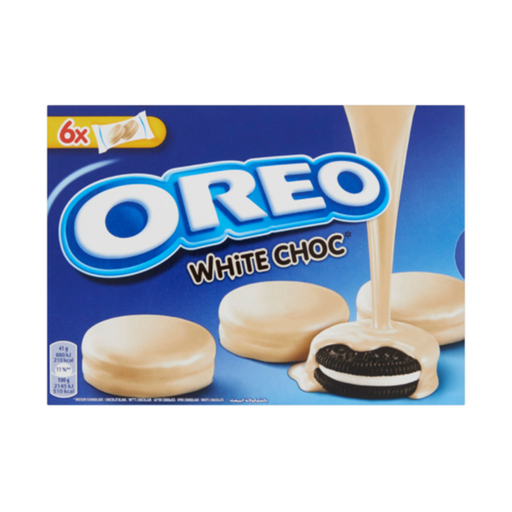 Image unavailable
Oreo biscuits coated in white chocolate, 246 g
The 246 g pack may suit a group sharing a sweet option. Before serving, check the packaging for the precise description of the coating, as well as allergen and trace warnings.
View on Joybuy
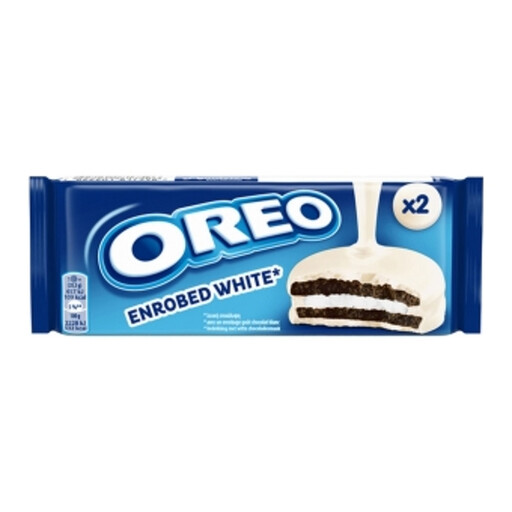 Image unavailable
Oreo biscuit coated in white chocolate, 41 g
The 41 g pack is a handy choice if you’d prefer a smaller quantity rather than a sharing pack. To compare its nutritional values with another biscuit, use the table on the packaging. Also check how the coating is described and read the allergen information.
View on Joybuy
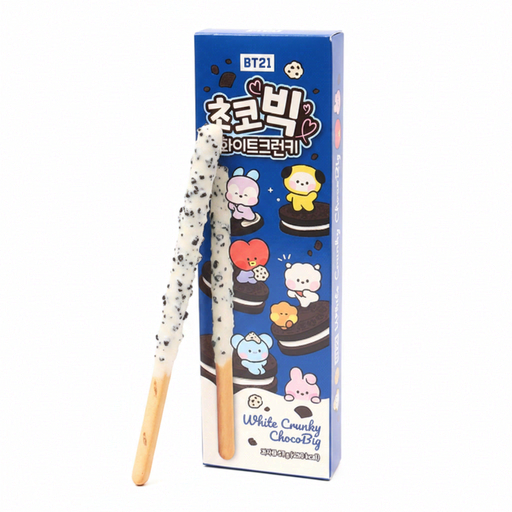 Image unavailable
BT21 Chocobig White Crunky 57 g
Described as biscuit sticks coated in white chocolate, this 57 g pack fits the bill for a small snack to nibble on. Check the packaging before buying or serving to find out the exact ingredients, allergens and nutritional values.
View on Joybuy
Frequently asked questions
Is the Nutri-Score compulsory on chocolate biscuits in France?
No. The DGCCRF describes the Nutri-Score as a voluntary label, but states that nutrition declarations are compulsory for most prepacked foods. If two biscuits display a Nutri-Score, you can use it alongside their ingredients and nutritional values per 100 g.
Does the ‘soda tax’ apply to chocolate-coated biscuits?
No. Biscuits aren’t covered by the levy set out in Article 1613 ter of the French General Tax Code. Under the conditions set out in the legislation published by Légifrance, it applies to drinks and liquid preparations for drinks containing added sugars. When choosing between biscuits, compare their sugar content per 100 g instead.
Which allergens should you check before serving these biscuits?
Read the highlighted allergen ingredients and any ‘may contain’ warnings on the pack you’ve bought. The BN and Milka products described by Carrefour, as well as products listed by Joybuy, show that wheat, milk, soya or nuts may be present, depending on the product. Don’t assume the label is the same across different formats.
How should you store coated biscuits before your gathering?
Follow the instructions on the pack you’ve chosen. For the Oreo product listed by Joybuy, the storage advice is to keep it in a dry place away from light. Check the instructions for other products before leaving them near a heat source.


