
Livraison le jour même ou le lendemain

Qualité garantie

Débloquez vos offres de bienvenue: Livraison GRATUITE | Jusqu'à -80 % | 30 jours d'essai gratuits à JoyPlus
Téléchargez l'application
A bottle of champagne or sparkling wine in 75 cl works just as well for an aperitif as it does for a meal with friends or as a gift. But when it comes to choosing, the details on the label can quickly leave you puzzled: champagne, crémant, cava, sparkling wine, brut, rosé or blanc de blancs don’t all mean the same thing. As for the price and the brand’s reputation, they aren’t enough to guarantee that a cuvée will suit your taste.
Here are the criteria to consider before buying a bottle online, along with a selection tailored to different occasions.
The Champagne AOC designation is reserved for wines produced in the Champagne region, according to a particularly strict set of specifications. A Crémant de Bourgogne, a Crémant de Bordeaux or a Cava Brut can also offer fine bubbles and careful winemaking, but they are not champagnes.
The term “premium” often refers more to a marketing position than to a precise definition. It’s better to look at the appellation, origin, alcohol content, dosage and grape varieties rather than relying solely on the name of the range. A bottle presented as a luxury champagne may appeal through its image, gift box or story without necessarily matching the style you’re after at the table.
A large house can offer cuvées with very different profiles. A 75 cl brut champagne will generally be more versatile than a very fruity rosé champagne, while a vintage champagne is better suited to careful tasting. The price takes several factors into account: the house, the origin of the grapes, the length of ageing, the format and the presentation.
Heat, light and temperature fluctuations can damage the aromas. On delivery, inspect the bottle to make sure it isn’t damaged, then store it in a cool, dry place away from light. If you plan to serve it soon, a temperature between 8 and 12 °C, depending on the cuvée’s recommendations, is generally suitable.
The term brut indicates a limited level of residual sugar, but the result can vary noticeably from one house to another. A brut often pairs very well with aperitifs and seafood. A non-dosé offers a drier sensation, allowing the freshness, minerality and character of the wine to express themselves more fully.
With a fruity dessert, a rosé sparkling wine or a cuvée marked by red fruits will often be more at home. A white sparkling wine, a blanc de blancs or a crémant with citrus notes will more naturally accompany fish, shellfish and poultry.
Pinot noir generally brings structure, chardonnay brings freshness along with floral or citrus notes, while meunier often contributes fruitiness. However, the product description remains your best reference point: the blend and ageing can significantly alter the final profile.
A few useful pointers:
The 75 cl format allows you to serve around six flutes of 12.5 cl, depending on how much you pour. Also check the alcohol content, generally between 11.5 and 12.5% vol. for the references shown here. Wines often contain sulphites, which must appear on the label when they exceed the legal threshold.
The purchase and consumption of alcohol are reserved for adults. Alcohol is not recommended during pregnancy and should be consumed in moderation. Do not drive after drinking.
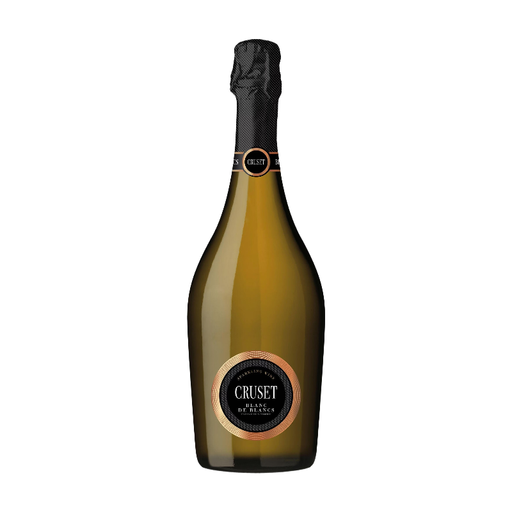
Why this choice suits this profile: Its blanc de blancs style, light and fruity, makes a good entry point for a first purchase, whether for an aperitif or with a fish dish, without jumping straight to a cuvée from a major Champagne house.
The description clearly states that it is a white sparkling wine and not a champagne, while offering concrete food pairing suggestions.
A golden colour, notes of white fruits and recommended pairings with scallops, fish and poultry.
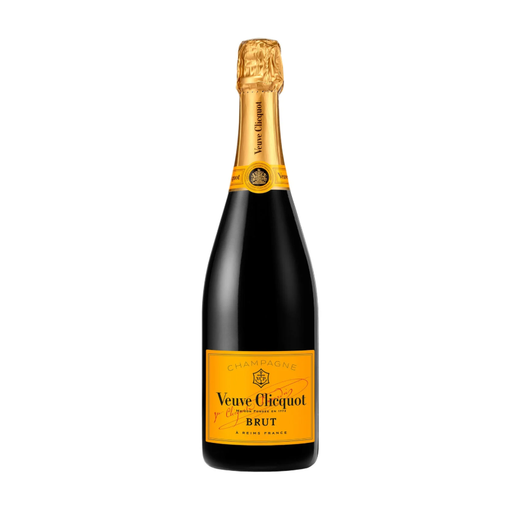
Why this choice suits this profile: This AOP Champagne cuvée is aimed at those looking for a well-known house for a celebration, dinner or gift.
The appellation, format and blend are clearly stated. This allows you to compare the bottle on tangible criteria, rather than on its prestige alone.
A stated blend of pinot noir, meunier and chardonnay, with a profile that seeks balance between finesse and power.
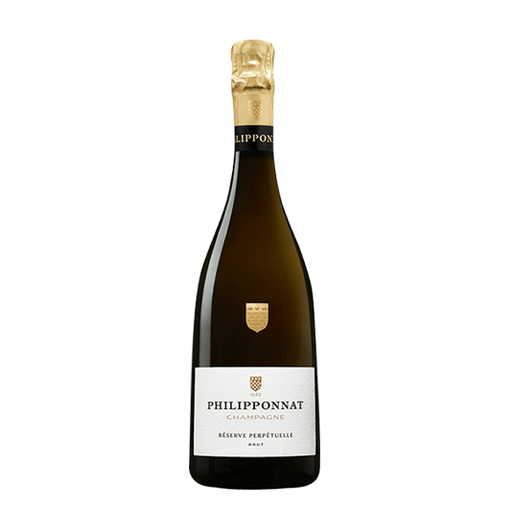
Why this choice suits this profile: The description mentions over 36 months of ageing on the lees and a proportion of reserve wines – two valuable pieces of information for tasting at the table.
The dosage of 8 g/L, the Champagne AOC origin and the presence of reserve wines are all specified, making it easier to compare cuvées objectively.
An alcohol content of 12.5% vol., a blend dominated by pinot noir and extended ageing, all stated on the product description.
We’ve put together a complete selection, updated in real time, of products that meet these selection criteria as well as European safety regulations.
Serve your bubbles in clean, slightly chilled flutes, without filling the glasses completely. An opened bottle can be kept for a few days in the fridge with a suitable stopper, although the pressure and aromas will gradually fade. For a non-vintage cuvée, check the product description and aim to drink it relatively soon after purchase.
A vintage champagne, a prestige cuvée or a luxury champagne isn’t necessarily bought to be stored for years. The ageing potential depends on the producer, the vintage, the storage conditions and the style you’re looking for.
These wines come from different regions and production standards. Champagne is produced in Champagne, crémant in several French regions and cava mainly in Spain. The choice therefore depends on the appellation you’re after, the style of the bottle, the dishes being served and your budget.
Allow around six glasses of 12.5 cl. For a wedding, birthday or a meal that stretches on, plan a little extra depending on the number of guests, the other drinks on offer and how prominent the sparkling wine is in the menu.
Start by deciding how many guests you have and when the bottle will be served. A versatile brut will work for both an aperitif and during the meal. A rosé champagne will pair more readily with red fruits and certain desserts. For a gift, check the house, the appellation, the format, the delivery conditions and the condition of the gift box or packaging.