
Livraison le jour même ou le lendemain

Qualité garantie

Débloquez vos offres de bienvenue: Livraison GRATUITE | Jusqu'à -80 % | 30 jours d'essai gratuits à JoyPlus
Téléchargez l'application
Choosing between champagne, sparkling wines and spirits is about more than spotting a familiar label. Whether you’re planning an aperitif, a meal, a celebration or a gift, the alcohol content, flavour profile, bottle size and storage requirements can all shape the experience — and your budget.
Some marketing claims can also be confusing. A sparkling wine isn’t necessarily champagne, a more expensive bottle won’t automatically suit your taste, and a 75 cl bottle isn’t right for every occasion. Here are the factors to consider before buying alcoholic drinks online.
The term champagne refers to wine made in the Champagne appellation area according to strict specifications. A crémant, prosecco or other sparkling wine can be delightfully fizzy without having the same appellation or flavour profile.
Take the time to read the full designation: Champagne A.O.P., Crémant A.O.P., Asti DOCG or sparkling wine. This information often tells you more than the bottle’s presentation alone.
A well-known brand can be a reassuring choice for a gift or formal celebration. But above all, the bottle should suit the occasion. A brut champagne, with fresh, wine-like notes, is easier to pair with a meal than a sweet aperitif or a liqueur intended for cocktails.
The price may reflect the brand’s positioning, packaging or reputation. On its own, it isn’t enough to predict which flavours you’ll enjoy.
Before placing your order, always check:
For home delivery, also check the handover requirements and have proof of age ready if requested.
The term brut describes a dry style, generally suited to aperitifs and a wide range of dishes. A sweeter wine, Asti or exotic punch is a better fit for the end of a meal, a cocktail or dessert.
For a fresh, versatile profile, look for descriptions mentioning citrus, white fruit, floral notes or a lively finish. Brioche, candied fruit or red fruit notes suggest a fuller, more aromatic wine.
Grape varieties can give you useful clues, even though they’re no substitute for tasting. Pinot Noir often contributes a more pronounced structure, while Chardonnay is generally associated with a fresher, more floral character. Meunier, meanwhile, adds a fruity dimension.
A Crémant de Bourgogne, Crémant de Bordeaux, prosecco or Asti DOCG each offers a distinct alternative to champagne. To compare bottles properly, consider their origin, production method and dosage together.
Brut champagne or crémant generally has an alcohol content of 11 to 12 % vol., while pastis can reach 45 % vol. and a wine-based aperitif such as Lillet has 17 % vol. These differences affect both how you serve them and how much you pour.
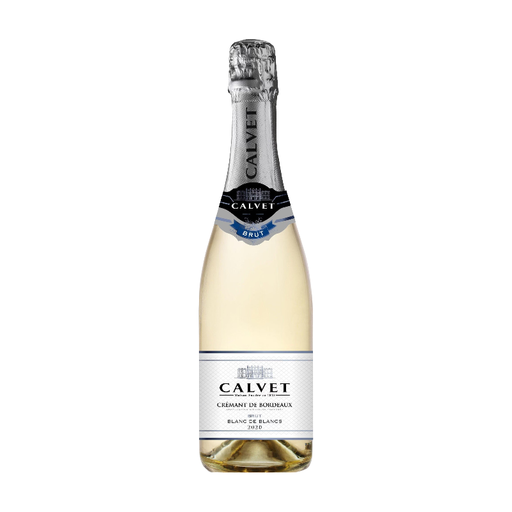
Why this suits this profile: Its 75 cl size and brut style make it a good choice for serving with an aperitif or dessert, without having to opt for champagne straight away.
The product details clearly state the Crémant de Bordeaux appellation, brut style, flavour notes and presence of sulphites.
Fine bubbles with notes of brioche and candied fruit. Enjoy it with an aperitif or dessert.
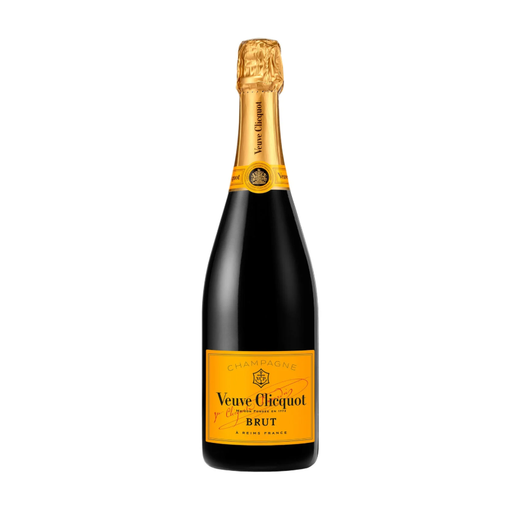
Why this suits this profile: This brut champagne is a good choice for a celebration, a gift or any occasion where the Champagne A.O.P. appellation matters.
The product details clearly distinguish the appellation, 75 cl size, grape blend and storage guidance: keep it away from light at 10 to 12 °C.
A blend of Pinot Noir, Meunier and Chardonnay, described as balancing finesse and power.
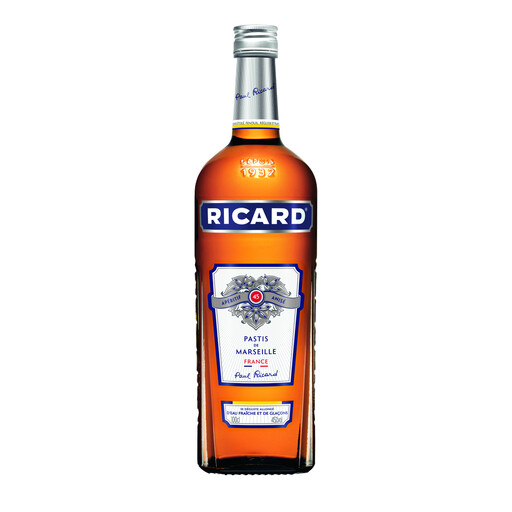
Why this suits this profile: Its one-litre size is ideal for larger gatherings and repeated servings. Traditionally, it’s mixed with chilled water.
The 45 % vol. alcohol content and one-litre volume are clearly stated, so you can plan your servings without underestimating its strength.
A flavour profile led by anise and liquorice, with ingredients listed and recommended storage upright, away from sunlight.
We’ve put together a comprehensive, real-time updated list of products that meet these strict selection criteria and comply with European safety regulations.
Champagne comes from the Champagne appellation. Crémant has a distinct regional appellation, while prosecco is an Italian sparkling wine. “Sparkling wine” is a broader category. To choose between them, compare their origin, production method, dosage and alcohol content.
A sparkling wine gradually loses its fizz after opening. Reseal it with a suitable stopper and keep it chilled. For a wine-based aperitif, liqueur or exotic punch, follow the guidance on the product page and label. Lillet Blanc, for example, should be refrigerated after opening and consumed within the timeframe stated by the manufacturer.
For a simple option, serve brut champagne, crémant or sparkling wine chilled. Aperol is often used in a spritz with prosecco and sparkling water. A liqueur such as limoncello can be enjoyed chilled, on its own or in a cocktail. Rum-based exotic punch is generally served chilled or over ice.
Whatever you choose, stick to the legal drinking age, drink in moderation and never drive after drinking. Alcoholic drinks are not recommended during pregnancy.