
Livraison le jour même ou le lendemain

Qualité garantie

Débloquez vos offres de bienvenue: Livraison GRATUITE | Jusqu'à -80 % | 30 jours d'essai gratuits à JoyPlus
Téléchargez l'application
Buying a bottle of champagne or sparkling wine online seems simple enough… until you start comparing appellations, dosage, bottle size and flavour profiles. Between brut champagne, Italian prosecco, Crémant de Bordeaux and pétillant wine, the differences go far beyond price or how the label looks.
To avoid picking the wrong bottle, take a moment to check a few key details before you order. Here’s a straightforward method for choosing a 75 cl bottle, whether it’s for an aperitif, a meal, a celebration or a gift.
The term ‘champagne’ refers to a wine protected by the Protected Designation of Origin Champagne, produced in a strictly defined geographical area and according to precise production rules. An Italian prosecco, a crémant or another sparkling wine may have lovely bubbles and smart packaging without being French champagne.
That doesn’t mean one style is automatically better than another. This distinction simply helps you compare bottles from different categories, with different production methods, grape varieties and prices that can vary significantly.
A brut champagne generally contains few residual sugars, but the mouthfeel also depends on acidity, freshness and aromas. Two bottles labelled ‘brut’ can therefore offer very different experiences.
The term ‘extra dry’ applied to prosecco can also be confusing. In the classification of sparkling wines, it doesn’t necessarily mean less sweet than ‘brut’. Always check the product description and its dosage when this information is provided.
Heat, light and temperature fluctuations can damage a bottle’s qualities. Store it in a cool, dry place away from light. Once opened, use a stopper designed for sparkling wines and place the bottle in the fridge to keep the bubbles as long as possible.
For a French champagne, look for the A.O.P. Champagne mark or the appellation on the label. For an Italian prosecco, check for the Prosecco D.O.C. designation, which is usually linked to production in north-eastern Italy.
Crémant is produced in a defined French region, but it is not champagne. Crémant de Bordeaux, for example, can be an interesting alternative for an aperitif or dessert, especially if you’re looking for a balance of style, origin and budget.
The main grape varieties used in Champagne are pinot noir, meunier and chardonnay. Pinot noir and meunier generally provide structure and fruity notes, while chardonnay contributes freshness and aromatic finesse.
When choosing a premium champagne, don’t stop at the brand’s prestige. Look at the composition, the type of cuvée, the vintage if stated and the serving recommendations. A non-vintage cuvée is designed to be enjoyed without long ageing. A vintage champagne, on the other hand, can have a character more strongly marked by the harvest year.
The 75 cl champagne bottle remains the most common format for a meal or a gift. Serve champagne generally between 8 and 12 °C, following the producer’s recommendations. However, avoid chilling it for too long: excessive cold can suppress the aromas.
For an aperitif, a sparkling wine goes well with canapés, seafood, fish and certain poultry. A rosé champagne can work with a red fruit dessert, while a demi-sec crémant will pair more easily with sweet preparations. It all depends on the dosage and the dish being served.
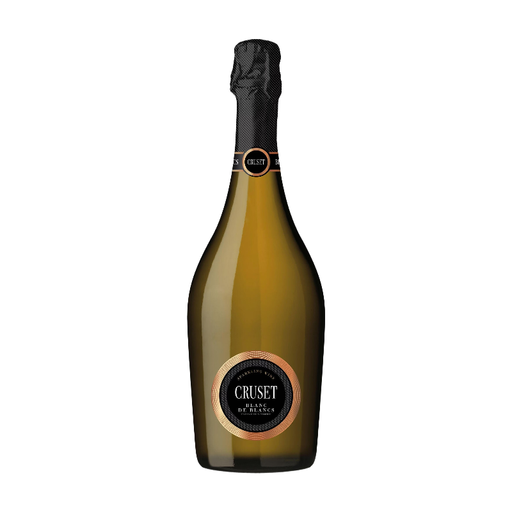
Why this choice suits this profile: With its 75 cl format and fruity profile, this bottle is ideal for a first discovery or a relaxed aperitif, without pretending to be a champagne.
The description clearly states it is a sparkling wine, not a champagne. It also mentions white fruit notes and pairings with fish and poultry.
A blanc de blancs profile, a golden colour, white fruit notes and information available on sulphites and storage.
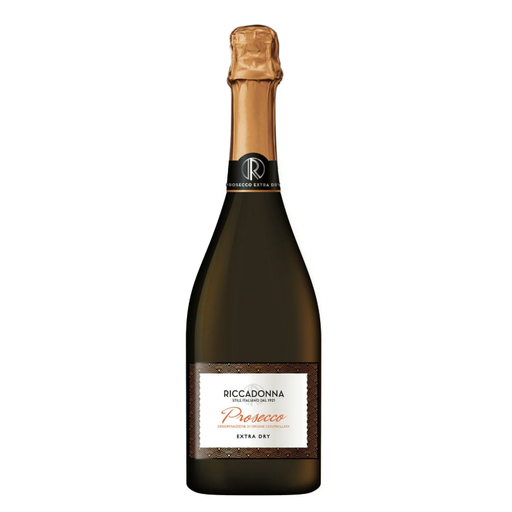
Why this choice suits this profile: This Italian prosecco is well suited to light aperitifs, with its described notes of peach, green apple and acacia honey.
The Prosecco D.O.C. designation and Italian origin are clearly stated. So there is no risk of confusing it with a French champagne.
A 750 ml format, an alcohol content of 11% vol. and a recommended serving temperature of 6 °C.
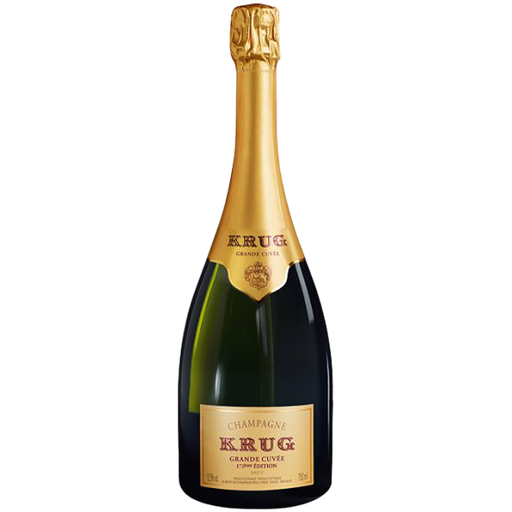
Why this choice suits this profile: The description highlights the blend of many reserve wines and a rich aromatic profile, making it particularly suitable for a gift or a festive meal.
The choice is based on specific details: blend, aromatic notes, texture and length on the palate, rather than just the brand’s prestige.
A brut champagne cuvée in 75 cl, with described notes of dried fruit, candied citrus, toasted almond and brioche.
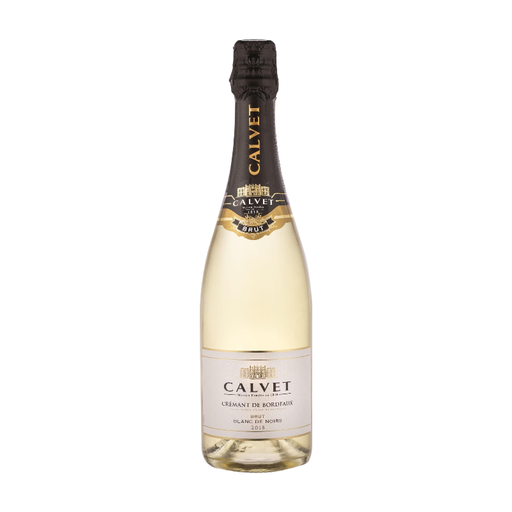
Why this choice suits this profile: Its demi-sec style and notes of yellow fruit and brioche can accompany a dessert or a reception where several pairings are planned.
The Crémant de Bordeaux designation and the demi-sec style are clearly displayed. This means you can anticipate the sweetness level before placing your order.
An AOP Bordeaux appellation, a 750 ml bottle, an alcohol content stated at 12% vol. and storage advice after opening.
We have put together a complete selection, updated in real time, of products that meet these selection criteria as well as European safety regulations.
Brut champagne falls under the Champagne appellation and has a limited dosage of residual sugars. Italian extra dry prosecco belongs to the Prosecco D.O.C. category and has a different sweetness level according to the classification. To compare two bottles, check their origin, their dosage and the aromatic notes stated on each product page.
An opened bottle keeps best with a stopper designed for sparkling wine, stored in the fridge. The duration depends on the temperature, the amount left and how effective the seal is. To enjoy the bubbles at their best, drink it soon after opening.
A brut champagne, an Italian prosecco or a white sparkling wine with fruity notes can all work perfectly. For a light aperitif, go for freshness and a dosage that pairs well with your canapés. Before ordering, always check the legal drinking age, the presence of allergens such as sulphites and any health warnings. Alcoholic drinks are for adults only and should be consumed in moderation. Alcohol consumption is not recommended during pregnancy.