
Livraison le jour même ou le lendemain

Qualité garantie

Débloquez vos offres de bienvenue: Livraison GRATUITE | Jusqu'à -80 % | 30 jours d'essai gratuits à JoyPlus
Téléchargez l'application
Choosing a 75 cl bottle of champagne or sparkling wine is about more than comparing a label and a price. Champagne brut, prosecco DOC, crémant or sparkling wine: the origin, dosage, grape varieties and production method all have a direct impact on the taste, style and occasions the bottle is suited to.
To avoid choosing the wrong bottle or spending more than you need to, there are a few things to check before you buy. Here are the pitfalls to avoid, the details to look out for and a selection to suit different types of shopper in France.
The term champagne applies exclusively to sparkling wine produced in the Champagne AOC appellation area. Prosecco DOC, Crémant de Bourgogne or Crémant de Bordeaux can offer an equally enjoyable experience, but they cannot be sold as champagne.
So price alone doesn’t define a bottle’s style. A premium champagne could be the perfect choice for a prestigious gift, while a French sparkling wine or Italian fizz may be better suited to a relaxed aperitif.
“Brut” refers to the dosage level, but it doesn’t sum up the wine’s aromatic profile. Depending on the grape varieties and blend, a brut champagne can be lively, fruity, rounded or particularly structured. By contrast, a zero dosage wine generally tastes drier; that doesn’t necessarily mean it will suit every palate.
To narrow down your choice, also look for terms such as Extra Dry, Brut, Rosé, Blanc de Blancs or Zero Dosage.
A 75 cl bottle of champagne exposed to heat or light may lose some of its quality. Before opening, store it in a cool, dry place away from sunlight. The ideal serving temperature is generally between 6 and 10 °C, depending on the cuvée. A prosecco DOC such as Riccadonna, for example, is best enjoyed at 6 °C, while many champagnes show their aromas best at around 8 to 10 °C.
A 75 cl bottle usually serves around six 12.5 cl flutes. If you’re serving sparkling wine throughout a meal, it’s best to allow for a few extra bottles. Also check the net volume and alcohol content: the options featured here range from 7.5% vol. for Asti Spumante to 12.5% vol. for several champagnes.
Rosé champagne pairs naturally with red fruit or certain desserts. Brut champagne is more versatile with appetisers, fish or mildly spiced dishes.
Origin makes it easier to tell styles apart: Champagne AOC, Burgundy, Bordeaux, Veneto or Piedmont. Grape varieties can also offer useful clues. Pinot noir often brings structure, chardonnay adds freshness, and meunier contributes fruity notes to some blends.
Check the label for sulphites, as you would with most sparkling wines. Nutritional information, alcohol content and storage instructions can also vary from one bottle to another.
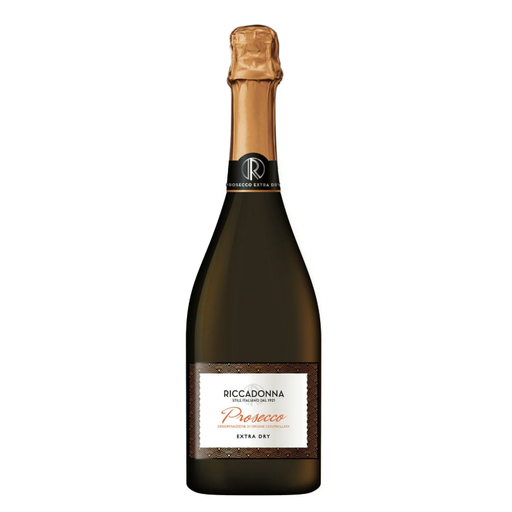
Why it suits this type of shopper : With its 75 cl format and fresh, fruity profile, this prosecco is a great introduction for a first purchase, an aperitif or a small celebration.
The Prosecco DOC appellation and Extra Dry style are clearly stated, so there’s no mistaking it for a brut champagne.
Origin: Italy; 11% vol.; notes of peach and green apple; recommended serving temperature: 6 °C.
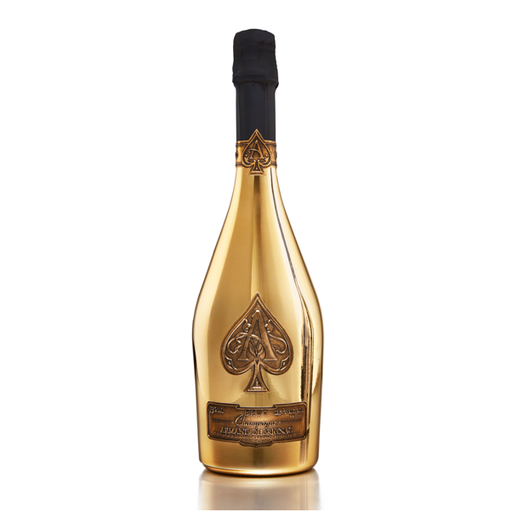
Why it suits this type of shopper : This prestige cuvée is a natural choice for a gift or celebration where the bottle’s appearance matters just as much as its brut style.
This is a 75 cl bottle of brut champagne, not simply a sparkling drink relying on its packaging alone.
The description states that it blends three vintages, with a texture described as silky and a profile centred on fresh fruit.
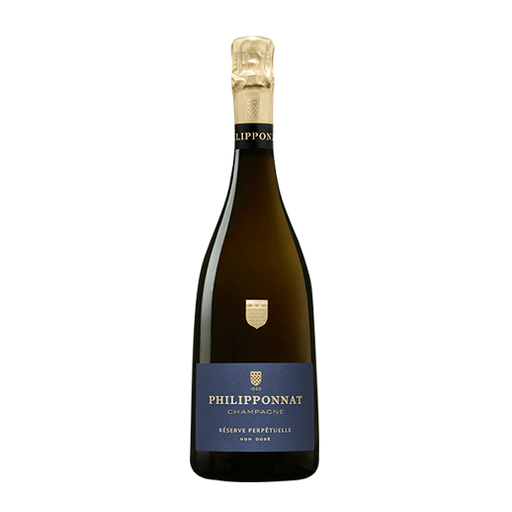
Why it suits this type of shopper : Its zero dosage, citrus notes and minerality make it a good choice for fans of a dry, precise style, particularly with food.
The Zero Dosage label is unambiguous, so buyers know they’re not choosing a classic brut with a softer profile.
12.5% vol.; a blend of pinot noir, chardonnay and pinot meunier; a perpetual reserve; and ageing that highlights its minerality.
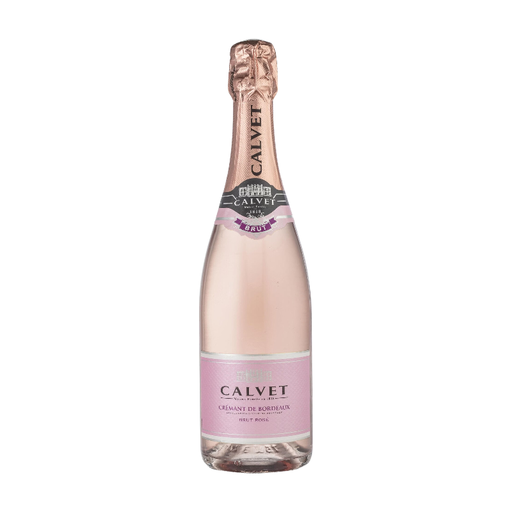
Why it suits this type of shopper : Its rosé colour and fruity profile work just as well for an aperitif as they do with seafood, sushi or a light dessert.
The Crémant de Bordeaux AOP appellation and the merlot and cabernet franc grape varieties are clearly stated, so there’s no confusion about its origin.
75 cl, 11.5% vol. and bubbles described as fine and persistent; best served well chilled.
We’ve brought together a comprehensive, real-time selection of products that meet these exacting criteria and comply with European safety regulations.
A 75 cl bottle usually serves around six 12.5 cl flutes. The actual number depends on the shape of the glass, the amount of foam and how you pour. If you’re settling in for a long meal, allow for an extra bottle so you don’t have to fill the glasses to the brim.
Champagne is produced in the Champagne AOC appellation area. Prosecco DOC comes from Italy, mainly Veneto and Friuli Venezia Giulia. Crémant is a French sparkling wine made in several regions, including Burgundy and Bordeaux, under rules specific to each appellation. These designations therefore refer to distinct, regulated origins and production methods.
Keep it in a cool place, away from light, heat and humidity. Once opened, use a stopper designed specifically for sparkling wine and put the bottle in the fridge. An opened bottle gradually loses its fizz and aromas, so it’s best to finish it soon. Alcohol may only be purchased and consumed by adults. Drink in moderation; alcohol is not recommended during pregnancy.