
Livraison le jour même ou le lendemain

Qualité garantie

Débloquez vos offres de bienvenue: Livraison GRATUITE | Jusqu'à -80 % | 30 jours d'essai gratuits à JoyPlus
Téléchargez l'application
Buying champagne or sparkling wine can quickly become a headache given the wide range of appellations, brands and styles available. From brut champagne, rosé champagne and French crémant to Prosecco and flavoured sparkling wine, the price difference does not always reflect how you plan to enjoy the bottle.
Before ordering, three potential pitfalls deserve your attention:
Champagne is linked to a specific geographical origin and regulated production requirements. If you would like a French alternative, you can choose a Crémant de Bourgogne, Crémant d’Alsace or Crémant de Bordeaux. These wines are generally made using the traditional method, with a second fermentation in the bottle.
Italian Prosecco and Asti Spumante, on the other hand, are based on different production traditions. The Asti DOCG featured in the selection below is made from 100% muscat and has an alcohol content of 7.5% vol. This is worth bearing in mind if you are looking for a lighter bottle.
The term brut refers to a sparkling wine with a low sugar dosage, but it does not mean that the wine is completely sugar-free. The dosage can vary from one cuvée to another. Brut champagne is generally an excellent match for aperitifs, seafood, fish or poultry.
A demi-sec, or a sweeter wine, will often be better suited to dessert. Calvet AOP Crémant de Bordeaux Blanc de Noirs Demi-Sec, for example, highlights notes of yellow fruit and brioche, making it just as suitable for an aperitif as it is for the end of a meal.
For a fruity, easy-drinking tasting experience, rosé sparkling wine or flavoured rosé can be served with red berries, pastries or chocolate. However, be careful not to compare it directly with traditional rosé champagne: the category, composition and production method may be very different.
The 75 cl format is ideal for a meal with friends or a family gathering. To estimate quantities, allow for around six to eight 10–12 cl flutes per bottle, depending on how the wine is served and the size of the glasses.
You should also check:
The sale and consumption of alcohol are restricted to adults. Alcohol is not recommended during pregnancy and should be consumed in moderation. Do not drive after drinking.
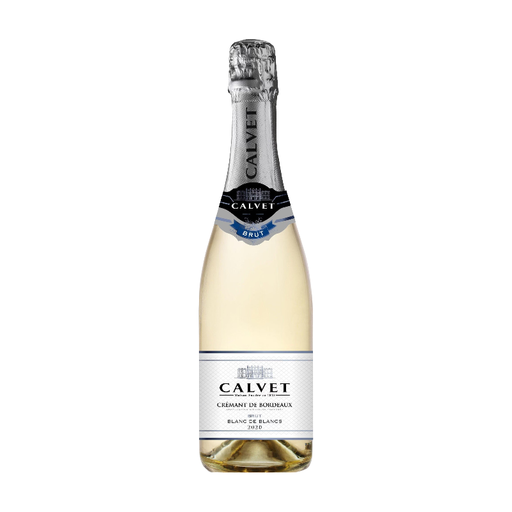
Why this choice suits this profile : This French crémant is a way to discover sparkling wines with a French appellation without starting with a prestigious cuvée. Its presentation suggests a straw-yellow colour, along with notes of brioche and candied fruit.
The AOP appellation and brut style are clearly indicated. This helps you avoid confusing a crémant with champagne or generic sparkling wine.
75 cl format, brut style, Bordeaux origin and suitable for serving with an aperitif or dessert.
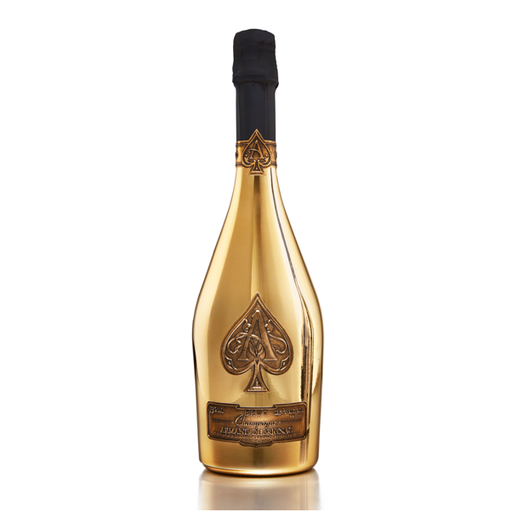
Why this choice suits this profile : This prestigious cuvée is aimed at shoppers who value presentation and are looking for a bottle worthy of a special occasion.
The cuvée is clearly identified as a brut champagne, and its blend of three vintages is detailed in the product information. The choice is therefore not based solely on the bottle’s appearance.
Brut Gold cuvée, 75 cl format and a fruity profile with a silky texture.
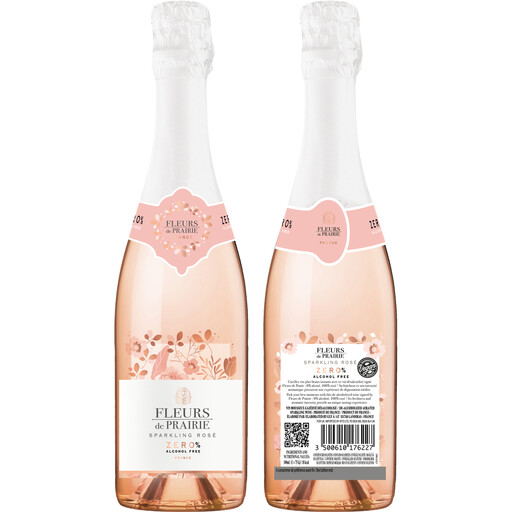
Why this choice suits this profile : This 0% vol. de-alcoholised rosé sparkling wine lets you join in the toast without drinking an alcoholic beverage.
The alcohol content of 0% vol. is clearly displayed. This makes it easy to distinguish the drink from rosé champagne or alcoholic sparkling wine.
0% vol., 75 cl format, recommended serving temperature of between 8 and 10 °C, and a rosé profile with notes of lemon and red fruit.
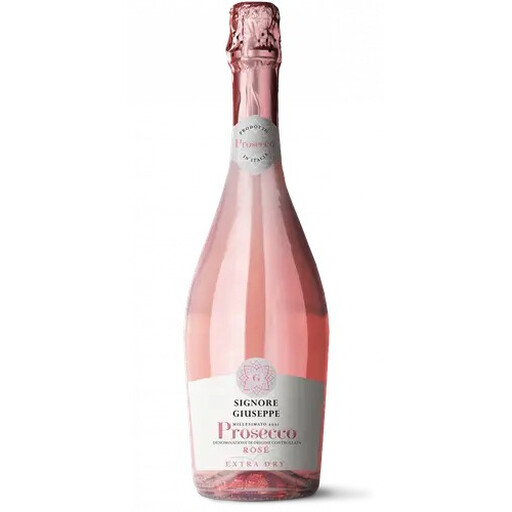
Why this choice suits this profile : Its extra-dry rosé style and red-fruit aromas make it a good option for an aperitif with friends or a relaxed, informal reception.
The DOC designation, extra-dry dosage, Glera as the main grape variety at 85%, and alcohol content of 10–11% vol. are all clearly specified.
Italian origin, 75 cl format, fine bubbles and a recommended serving temperature of between 8 and 12 °C.
We have put together a complete, real-time updated list of products that fully meet these strict selection criteria and European safety regulations.
For champagne as an aperitif, a fresh brut is usually a safe choice with savoury appetisers, oysters, salmon or seafood. Rosé champagne can be served with sushi, red berries and some lightly sweet desserts.
Brut crémants are also well suited to aperitifs, fish or poultry. More aromatic and made from muscat, Asti Spumante pairs particularly well with fruit salad or a light pastry. Flavoured varieties, such as peach or red-fruit sparkling wines, are best reserved for pairings where a fruity touch is the main aim.
Serve the bottle well chilled, but avoid an excessively low temperature that could mask the aromas. Unopened bottles should be stored in a cool, dry and dark place. Once opened, use a suitable stopper and place the bottle in the fridge. Even under these conditions, the bubbles will gradually fade.
Champagne comes exclusively from the Champagne region and complies with the requirements of its appellation. Crémant is another French sparkling wine, produced in a designated region, often using the traditional method. Its profile may be different, making it a good option for trying something new while keeping your budget under control.
A non-vintage cuvée is generally sold ready to drink. It is best to follow the producer’s recommendations and store it away from light and heat. Once opened, reseal it and drink it promptly to preserve its sparkle as effectively as possible.
A 0% vol. de-alcoholised sparkling wine, such as an alcohol-free rosé, allows you to maintain the ritual of serving and raising a toast. Always check the label: depending on the applicable regulations, the term “alcohol-free” may cover different categories and residual alcohol levels.