
Livraison le jour même ou le lendemain

Qualité garantie

Débloquez vos offres de bienvenue: Livraison GRATUITE | Jusqu'à -80 % | 30 jours d'essai gratuits à JoyPlus
Téléchargez l'application
Buying champagne or sparkling wine can quickly become a bit of a minefield. Between appellations, terms such as ‘brut’, ‘extra-dry’ and ‘blanc de blancs’, famous houses and wide price differences, the label does not always tell you exactly what you will be serving.
Whether it is for an aperitif, a meal, a gift or a special celebration, three mistakes come up time and again:
Champagne benefits from protected designation of origin status and is produced exclusively in the Champagne region. The most common grape varieties are Pinot Noir, Meunier and Chardonnay. The traditional method, which involves a second fermentation in the bottle, contributes to the finesse of the bubbles and the development of sometimes brioche-like notes.
Crémant de Bourgogne, Crémant de Bordeaux and Crémant d’Alsace are also made using the traditional method, but in different regions and with blends that may vary. They are a good alternative when you are looking for a French sparkling wine without choosing Champagne.
Prosecco is generally produced in Italy from the Glera grape. Its profile often focuses on white fruit and floral notes. Originating in Piedmont and made with Moscato, Asti spumante usually has a more moderate alcohol content and a more pronounced aromatic character.
The following terms indicate the quantity of residual sugar, in line with the regulated categories:
A brut champagne is easy to pair with a varied meal. With pastries or a fruit salad, a sweeter or more aromatic sparkling wine will often be a better choice. As for rosé sparkling wine, this covers a broad family, including rosé champagne, rosé crémant, rosé prosecco and flavoured sparkling wine.
The grape variety already gives you an initial indication of the style to expect:
The 75cl bottle is the most common size. It will usually serve six to eight flutes, depending on the amount poured. If you are buying a gift, check the condition of the label, capsule and gift box, if supplied. Also remember to check the alcohol content, whether it contains sulphites and the information shown on the packaging.
To preserve its qualities, store the bottle in a cool, dry place away from light. A serving temperature of between 8 and 12 °C, depending on the style, will generally allow you to enjoy its aromas to the fullest. Alcohol is for adults only and should be consumed in moderation. It is not recommended during pregnancy, and you must not drive after drinking.
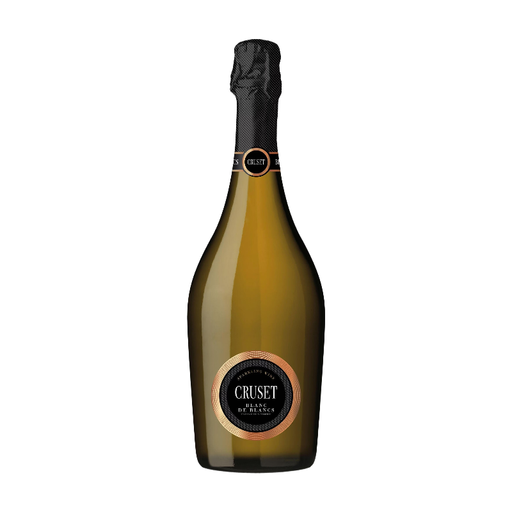
Why this choice suits this profile : Its brut style and white-fruit notes make it an easy sparkling wine to discover, equally at home as an aperitif or with a light meal.
The product details specify the blanc de blancs style, pairings with fish and poultry, and the presence of sulphites.
75cl format, golden colour, fruity nose and an advertised energy value of 73 kcal per 100 ml.
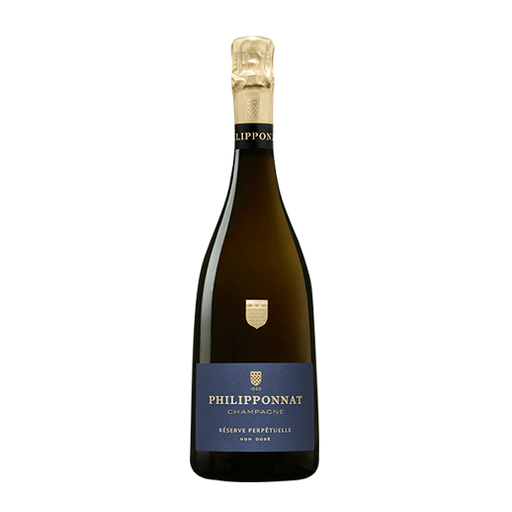
Why this choice suits this profile : This zero-dosage cuvée, made from Pinot Noir, Chardonnay and Meunier, is aimed at those looking for a drier, more mineral expression.
The ‘zero dosage’ wording clearly indicates the sugar level, rather than allowing the house name alone to guide your choice.
Perpetual reserve dating back to 1946, a blend of three grape varieties and an alcohol content of 12,5 % vol.
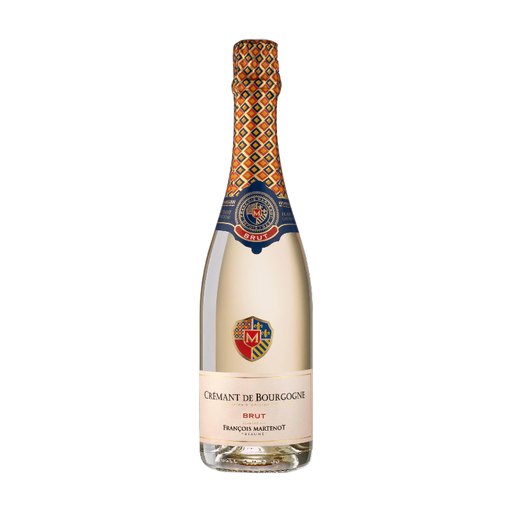
Why this choice suits this profile : Its rosé profile, citrus and red-fruit notes work equally well as an aperitif, with fruit-based desserts or as an all-rounder for meals featuring several courses.
The AOP Crémant de Bourgogne designation, brut style and allergen information are clearly stated.
Pale pink colour, fine, persistent bubbles and notes of grapefruit, raspberry and redcurrant.
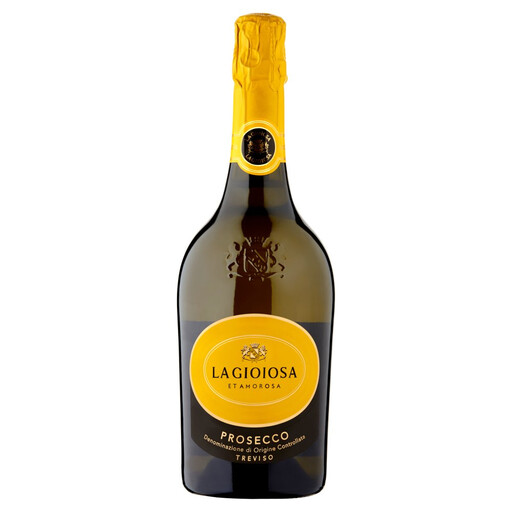
Why this choice suits this profile : Its Italian origin, Glera grape and aromas of ripe apple and mountain flowers offer a refreshing change from the usual aperitif choices.
The Prosecco Spumante Treviso designation, grape variety and alcohol content are provided to make comparisons easier.
75cl format, 10,5 % vol., straw-yellow colour and a fruity, floral profile.
We have put together a comprehensive, real-time updated selection of products that meet these exacting criteria and European safety regulations.
An opened bottle will retain its bubbles better if it is resealed with a stopper specially designed for sparkling wine and then placed in the fridge. However, it is best to drink it promptly, as the pressure and aromas gradually diminish.
Champagne is a protected designation reserved for wines produced in the Champagne region. ‘Sparkling wine’ is a much broader category that can refer to bottles from different origins and made using different production methods. The term ‘brut’ mainly refers to dosage, not appellation.
Most champagnes and crémants should be served between 8 and 12 °C. Prosecco and Asti spumante can also be chilled before serving. Avoid leaving the bottle at room temperature for too long or placing it in the freezer, as this can affect its qualities and make it harder to handle safely.