
Livraison le jour même ou le lendemain

Qualité garantie

Débloquez vos offres de bienvenue: Livraison GRATUITE | Jusqu'à -80 % | 30 jours d'essai gratuits à JoyPlus
Téléchargez l'application
Buying a bottle of champagne or sparkling wine in 75cl online might seem straightforward. However, the appellation, dosage, grape varieties and production method can completely change the experience on the palate. Between brut champagne, crémant, sparkling wine, Asti Spumante and flavoured sparkling wine, the label doesn't always tell the full story.
Two common pitfalls keep cropping up. First, the word "prestige" can steer you towards an expensive bottle without clarifying the style you're after. Second, an elegant presentation or bubbles described as "fine" are no substitute for the essential information: origin, alcohol content, dosage and storage conditions. Finally, choosing a bottle without considering the meal can leave you with something too dry, too sweet or too aromatic.
Here are the criteria to check before you buy, followed by a selection tailored to different adult drinker profiles.
A champagne benefits from the AOP Champagne appellation and comes from the corresponding designated area. The terms Blanc de Blancs and Blanc de Noirs mainly tell you about the grapes used: the former is made from white grape varieties, while the latter comes from black grapes vinified without prolonged maceration.
Crémants, such as Crémant de Bourgogne or Crémant de Bordeaux, are also French sparkling wines governed by an appellation. Their profile can work perfectly for a reception or an aperitif when you want to compare price and style with those of a champagne. The term "traditional method" gives an indication of how it's made, but it's not enough to predict the taste: also look at the grape varieties and aromatic notes.
Conversely, a sparkling wine or a flavoured sparkling wine may follow different production rules. Asti Spumante, for example, stands out thanks to its Italian appellation, its Moscato grape and its generally lower alcohol content.
The term brut refers to a sparkling wine with a low sugar dosage. However, the perception also depends on the acidity, maturity and aromas. A brut champagne often works very well as an aperitif, with seafood or delicate dishes.
A demi-sec will be sweeter and can accompany a dessert. So for a 75cl bottle of champagne served during a meal, it's better to start from the food pairing you're aiming for rather than choosing solely on the brand.
A rosé champagne or a rosé sparkling wine typically develops red fruit notes, but the sugar level can vary. Flavoured versions, such as strawberry, raspberry or peach, focus more on indulgence. They'll easily find their place at a relaxed aperitif or with a fruity dessert.
Before you confirm your basket, check:
An open bottle gradually loses its fizz. If you don't finish it, reseal it with a stopper designed for sparkling wines, place it in the fridge and drink it promptly.
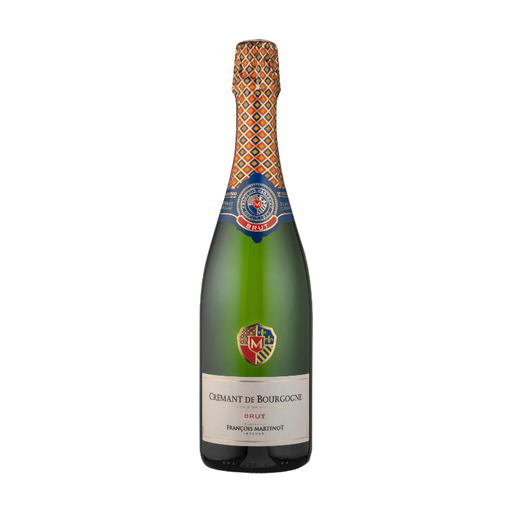
Why this choice suits this profile: Fresh, citrusy and floral, this crémant is an excellent introduction to French sparkling wines, whether as an aperitif or with a light meal.
The AOP and crémant designation provide more reliable benchmarks than a simple marketing claim about the fineness of the bubbles.
A brut Crémant de Bourgogne with citrus notes, accompanied by detailed information on sulphites and storage.
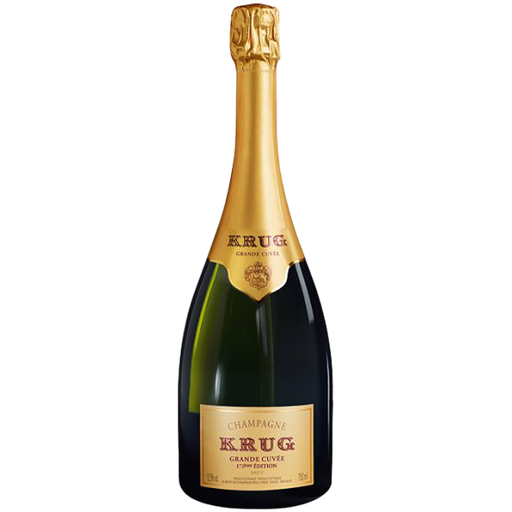
Why this choice suits this profile: This cuvée is aimed at connoisseurs looking for a prestige champagne with complex aromas, for a celebration or a memorable gift.
The description details the blend of reserve wines and the aromatic families, rather than relying solely on the elegance of the bottle.
Notes of dried fruit, candied citrus, toasted almond and brioche, with a full-bodied texture as stated on the product page.
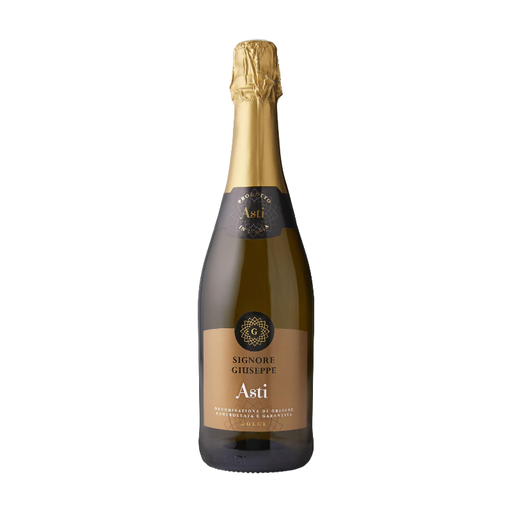
Why this choice suits this profile: With its 75cl format and the fruity profile typical of Moscato, this cuvée is ideal for receptions where you want to offer a sweeter, lower-alcohol Italian option.
The Asti DOCG appellation, Italian origin, 100% Moscato grape and 7.5% ABV are clearly stated.
An Italian sparkling wine made from Moscato, to be served chilled and stored away from heat, humidity and light.
We've put together a comprehensive, real-time updated selection of products that meet these exacting criteria as well as European safety regulations.
A 75cl bottle will typically serve several glasses, depending on how much you pour. For an aperitif, allow a bit extra if the sparkling wine is the only drink on offer. The number of guests, the length of the reception and whether or not a meal is being served will all directly determine the quantity you need.
A non-vintage champagne is generally designed to be drunk while fresh. A vintage champagne, on the other hand, may have a different ageing potential depending on the cuvée and the producer's recommendations. Always store the bottle away from light and temperature fluctuations, and refer to the label for guidance.
A brut champagne, a brut crémant or a Blanc de Blancs pairs well with many savoury canapés. For a fruitier option, a rosé champagne, a rosé sparkling wine or a flavoured sparkling wine will happily accompany fruit and desserts. Serve chilled, drink responsibly and never drive after drinking.