
Livraison le jour même ou le lendemain

Qualité garantie

Débloquez vos offres de bienvenue: Livraison GRATUITE | Jusqu'à -80 % | 30 jours d'essai gratuits à JoyPlus
Téléchargez l'application
A bottle of champagne or sparkling wine in 75 cl works just as well for a casual aperitif with friends as it does for a festive meal or a gift. But the label and the price aren't always enough to make the right choice. Champagne brut, crémant, prosecco, flavoured sparkling wine or a non-alcoholic version: the style, production method and alcohol content can completely change the experience.
The term "champagne" refers to a protected designation of origin, produced in the Champagne region according to strict specifications. A Crémant de Bourgogne, a Crémant de Bordeaux or a Crémant d'Alsace can also offer fine bubbles and be made using the traditional method, without belonging to the Champagne appellation.
The word "prestige" is often more about marketing than any objective characteristic. To compare bottles, it's better to check the appellation, origin, type of cuvée, dosage and grape varieties listed on the product page.
A pretty bottle catches the eye, but it doesn't tell you much about what's inside. A rosé champagne can be dry, fruity or dominated by red fruit notes. A rosé sparkling wine can also be flavoured, for example with peach or red fruits.
Design can matter when you're giving a bottle as a gift, but the contents remain the number one criterion: the stated aromas, alcohol content, presence of sulphites and serving recommendations all deserve your full attention.
"Brut", "extra-dry" and "demi-sec" don't refer to the same taste profile. A brut is versatile for aperitifs and with many savoury dishes. A sweeter cuvée will be more suitable for dessert or for someone who enjoys fruity flavours.
Made from muscat grapes, Asti Spumante often has a moderate alcohol content and a very expressive aromatic profile. Prosecco extra-dry, on the other hand, offers a style that's quite different from a brut champagne. The right approach, therefore, is to start with the menu and your guests' tastes, rather than just the category name.
For a brut champagne, check for the Champagne appellation and the required regulatory mentions on the label. For a crémant, the regional appellation tells you about the terroir: Crémant de Bourgogne or Crémant de Bordeaux, for example.
Product pages may also detail the grape varieties. Veuve Clicquot A.O.P. Yellow Label Brut lists a blend based on pinot noir, meunier and chardonnay. Moët & Chandon Brut Impérial NV also combines these three grape varieties, but in different proportions. This information gives you valuable reference points, though it's not enough to predict your personal preferences.
The alcohol content varies from bottle to bottle: expect around 12% ABV for many champagnes and crémants, 7.5% ABV for the Asti Spumante featured here, or 5.5% ABV for the peach-flavoured sparkling wine from JP Chenet.
The presence of sulphites, which are considered allergens, must be declared. Check the product page and label before buying, especially if you are sensitive to this additive. The ingredients, nutritional values and storage conditions can also vary depending on the cuvée.
Sparkling wine is generally best served chilled, but the ideal temperature depends on its style. For many champagnes, the recommendations are between 8 and 12 °C. Store the bottle away from light, heat and humidity. Once opened, reseal it with a suitable stopper and place it in the fridge: the bubbles will last a little longer.
A 75 cl bottle will serve around six glasses of 12.5 cl, depending on how full you pour them. For a party, allow one extra bottle depending on the number of guests and the menu.
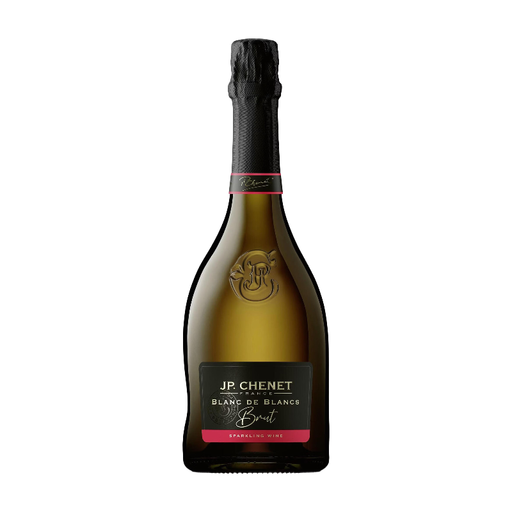
Why this choice suits this profile: A 75 cl brut cuvée designed for aperitifs and light meals, with stated notes of white fruits, apricot and white peach.
The page specifies the brut style, the 750 ml volume, the alcohol content and the presence of sulphites – information far more useful than a simple aesthetic argument.
A fruity profile, stated 68 kcal per 100 ml, and possible pairings with scallops, grilled fish or poultry.
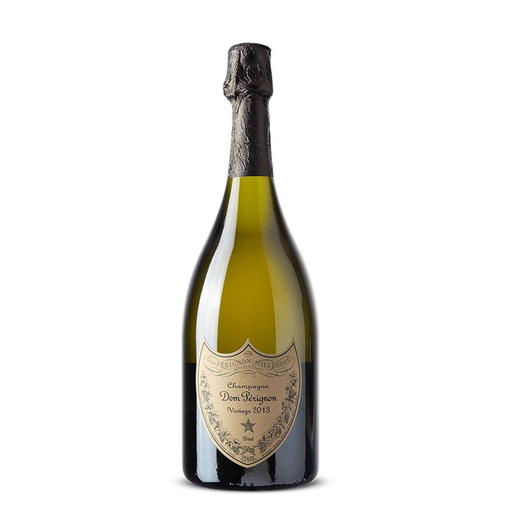
Why this choice suits this profile: A vintage champagne cuvée in a 75 cl bottle, ideal for a gift or a celebration where origin and presentation matter.
The product is clearly identified as a vintage brut champagne: the appellation and cuvée type are not confused with those of a simple sparkling wine.
A prestige champagne from a single year, described as structured and complex in profile.
Why this choice suits this profile: A non-alcoholic sparkling wine stated at 0% ABV, to be served chilled at a brunch, a work event or around a table where some guests aren't drinking alcohol.
The alcohol content, the 750 ml volume and the serving conditions are all stated. Nevertheless, check the label at the time of purchase.
A French rosé from Provence, with stated aromas of lemon and red fruits, to be served between 8 and 10 °C.
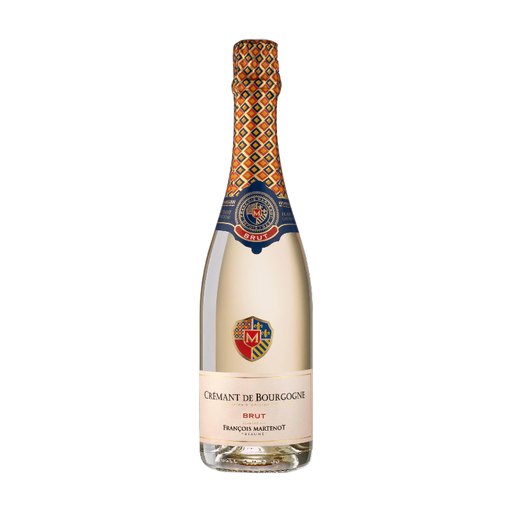
Why this choice suits this profile: An AOP rosé, suitable for aperitifs and pairings with citrus fruits, red berries or light dishes.
The Crémant de Bourgogne appellation, the brut style, the approximate alcohol content and the allergens are all stated on the product page.
Bubbles described as fine and persistent, accompanied by notes of grapefruit, raspberry and redcurrant.
Adults should drink alcohol in moderation. Alcoholic drinks are not recommended during pregnancy or before driving. Check the "non-alcoholic" label, as well as any potential allergens and storage conditions.
Expect around six glasses of 12.5 cl. The exact number depends on the size of the flutes and how full you pour them. For a meal with several courses, allow an extra bottle to avoid running out.
An opened bottle will keep its bubbles better with a stopper specially designed for sparkling wines, then placed in the fridge. It's best to finish it within one to two days. Before opening, keep it away from light and heat.
Champagne comes exclusively from the Champagne appellation. Prosecco is an Italian wine mainly associated with the Veneto region and the glera grape. Crémant is a French sparkling wine produced in several regions, each with its own appellation. The result also depends on the dosage, grape varieties and winemaking method.