
Livraison le jour même ou le lendemain

Qualité garantie

Débloquez vos offres de bienvenue: Livraison GRATUITE | Jusqu'à -80 % | 30 jours d'essai gratuits à JoyPlus
Téléchargez l'application
Finding the perfect bottle to celebrate a unique moment can be a complex affair. With so many appellations, dosage levels, and price points, choosing a champagne for a special occasion requires some thought. Whether it's a birthday, a wedding, drinks with friends, or a festive meal, there's an ideal bubbly for every event.
Our mission is to provide practical, objective advice to help you make the right choice, steering clear of conventional marketing talk. Let's review the essential criteria and discover our top picks, suited for every budget.
To find the party bottles that will delight you and your guests, a few simple questions are in order.
The term you'll most often see on a label, such as brut champagne, refers to the dosage—that is, the amount of sugar added after the second fermentation.
When you plan to serve the champagne is a decisive factor.
If you're looking for a champagne gift idea, the bottle's aesthetics and the house's prestige become key criteria. A luxury champagne or a vintage cuvée in an elegant gift box always makes an impression. For personal consumption or a large reception, value for money and versatility will be the priority. In this case, buying champagne online is ideal for easily comparing offers.
Here are three bottles that cater to various needs and occasions, from the most chic celebration to a more casual party.
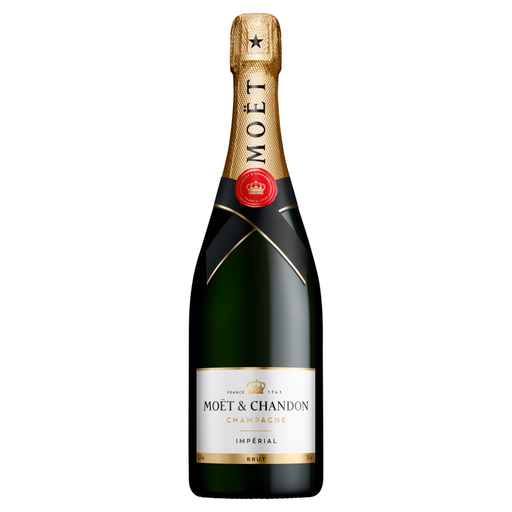
Why it stands out
Mo?t & Chandon Brut Impérial is an absolute benchmark, the epitome of a great house's craftsmanship and balance. Its harmonious blend of the three Champagne grape varieties makes for a generous and vibrant cuvée. The house is also committed to the environment, with a new bottle made from 90% recycled glass.
Key features
Who is it for?
For those seeking a reliable choice, whether for a festive meal or a gift that is sure to please. It's the choice for dependability and elegance, perfect for marking an occasion without taking any risks.
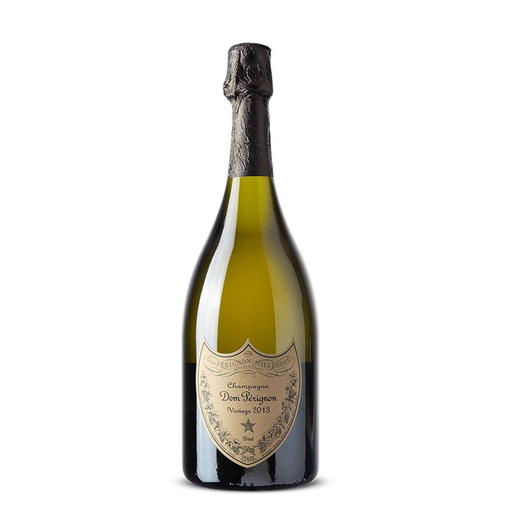
Why it stands out
Dom Pérignon is the pinnacle of luxury champagne. Each cuvée is a vintage, meaning it is made exclusively from the grapes of a single year deemed exceptional. It represents a quest for harmony and complexity, a wine that captures the unique character of a season.
Key features
Who is it for?
For connoisseurs and very special occasions (weddings, milestone birthdays, professional achievements). It is the ultimate champagne gift idea for a discerning enthusiast or to turn a moment into an unforgettable memory.
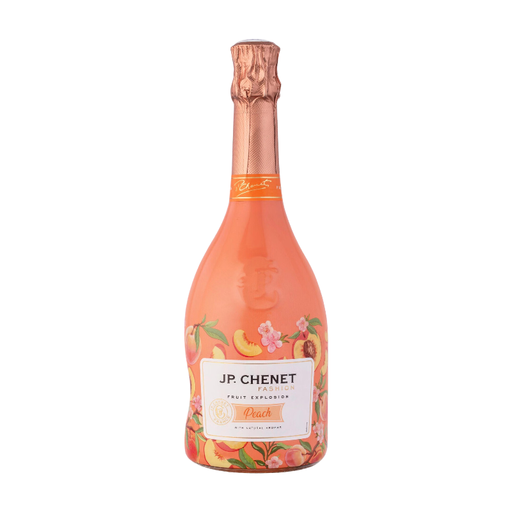
Why it stands out
Shifting gears, we have this festive and straightforward alternative. Note that this is not a champagne, but a peach-flavoured sparkling wine. With its golden hue and distinct aromas, it offers an immediate and approachable tasting experience, all in JP Chenet's iconic slanted-neck bottle.
Key features
Who is it for?
For those who prefer sweet and fruity drinks, or for a no-fuss summer party. A smart choice for a younger crowd or guests who aren't fond of the bitterness of a traditional champagne.
Our selection is just a sneak peek, and the world of bubbly is vast. Crémants, Proseccos, Cavas, regional specialities... to explore more cuvées, browse our complete category. You'll find an extensive range for all occasions and budgets.
? Discover our entire selection of wines and champagnes.
The essential difference lies in the sugar content (dosage). A brut champagne contains less than 12 g/L of sugar, which gives it its dry, crisp taste, ideal for an aperitif. A demi-sec, with 32 to 50 g/L of sugar, is noticeably sweeter and rounder on the palate, making it more suitable for desserts.
Most non-vintage champagnes (like Mo?t & Chandon Brut Impérial) are meant to be drunk within 2 to 3 years of purchase. They are not intended for ageing. Conversely, vintage champagnes (like a Dom Pérignon) have an ageing potential of several years, or even decades. Over time, they will develop more complex aromas. In any case, store your bottles lying down, away from light, and at a stable temperature.
Serving champagne ice-cold (below 6°C) numbs the aromas. The ideal serving temperature is between 8 and 10°C for a non-vintage, and between 10 and 12°C for a vintage or more complex champagne. It is at this temperature that its flavours will be fully expressed.