
Livraison le jour même ou le lendemain

Qualité garantie

Débloquez vos offres de bienvenue: Livraison GRATUITE | Jusqu'à -80 % | 30 jours d'essai gratuits à JoyPlus
Téléchargez l'application
Choosing a bottle of champagne can quickly become overwhelming. Faced with a maze of brands, technical jargon, and price tags, it's easy to feel lost. Yet, whether it's for a grand occasion, a gift, or simply for pleasure, the goal is simple: to find the perfect cuvée that suits your taste and budget.
But beware of common pitfalls that can lead to disappointment. As a Joybuy selection expert, I'm here to guide you. Together, let's break down the traps to avoid and the criteria that truly matter for making the right choice.
Blindly Trusting the "Brut" Label: Many believe "Brut" is a supreme seal of quality. In reality, this term simply indicates a low sugar content (less than 12 grams per litre). It's the most common style, but a brut champagne can be either excellent or mediocre. Quality primarily depends on the terroir, the grape varieties, and the winemaker's craftsmanship—far more than the sugar level.
Believing Price Equals Prestige: Major houses invest fortunes in marketing, and this is reflected on the price tag. While some prestige cuvées like Dom Pérignon justify their cost with exceptional quality, a high price is not an absolute guarantee. You can find hidden gems from grower-producers or more discreet houses at much more accessible prices.
Buying a Famous Brand Without Knowing Its Style: It's a common reflex: we reach for a bottle of Mo?t & Chandon or Veuve Clicquot. However, each house has its own signature taste profile. One might focus on the freshness of Chardonnay, another on the power of Pinot Noir. Buying a brand without knowing its aromatic profile means risking disappointment if the style doesn't match your palate.
To make the right choice, focus on these key points that shape a champagne's character.
Dosage is the finishing touch: the addition of a small amount of liqueur that determines the champagne's sugar level. Here are the terms you'll most often encounter:
Champagne is most often made from a blend of three main grape varieties, each leaving its unique mark:
To help you see more clearly, here are a few iconic cuvées, each suited to a different profile and occasion.
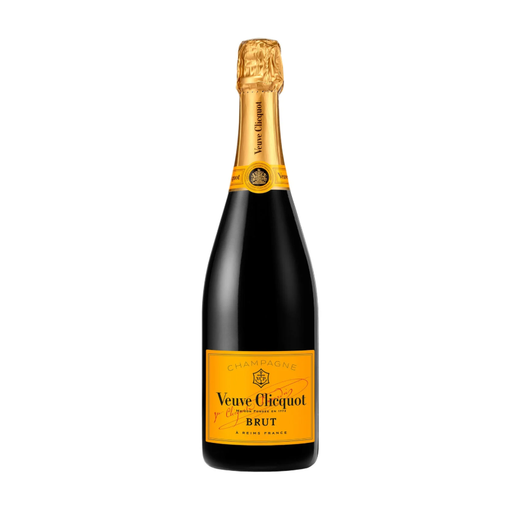
A must-have for a gift set or to celebrate a special moment. Its instantly recognisable yellow label is a promise of quality. Dominated by Pinot Noir, its powerful and structured style makes it a classic, appreciated for its consistency. A reliable choice that always impresses.
Here, you're not just buying a brand, but a distinct style. Veuve Clicquot guarantees consistent quality, where the power of Pinot Noir is perfectly balanced by the freshness of Chardonnay.
A masterful balance between power and finesse. The ultimate reliable choice.
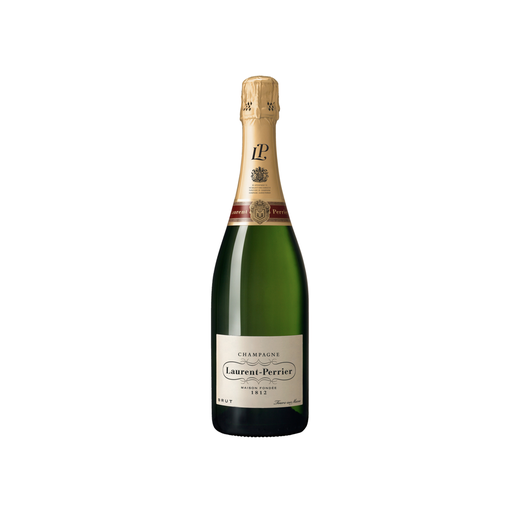
The ideal cuvée for those seeking a lively and elegant champagne for an aperitif. With its high proportion of Chardonnay, it is renowned for its freshness and purity. The perfect start to a wonderful evening.
Proof that prestige isn't just about marketing. Laurent-Perrier delivers the quality of a great house by focusing on a specific style—freshness—rather than just the power of its name.
Crisp freshness and purity. The elegance of a Chardonnay-dominant blend.
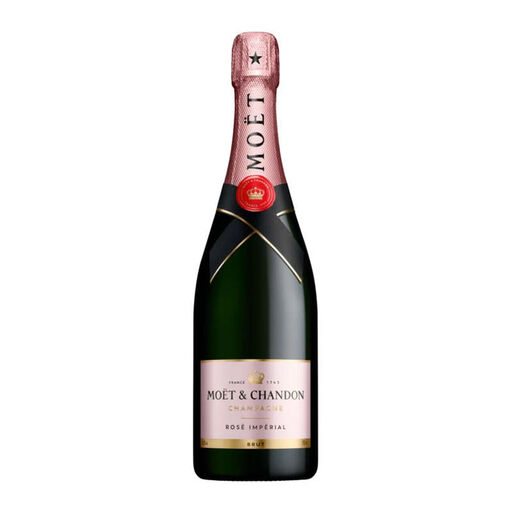
For lovers of rosé champagne and its indulgent character. The Rosé Impérial is a spontaneous and seductive cuvée, bursting with notes of summer red fruits (strawberry, raspberry) enhanced with a hint of pepper.
Instead of choosing a name at random, you're opting for a clear and distinct taste profile: an intense and fruity rosé. It's a deliberate choice that goes beyond the house's mere notoriety.
A vibrant, fruity bouquet. An intense yet smooth palate, ideal with sushi or a red fruit dessert.
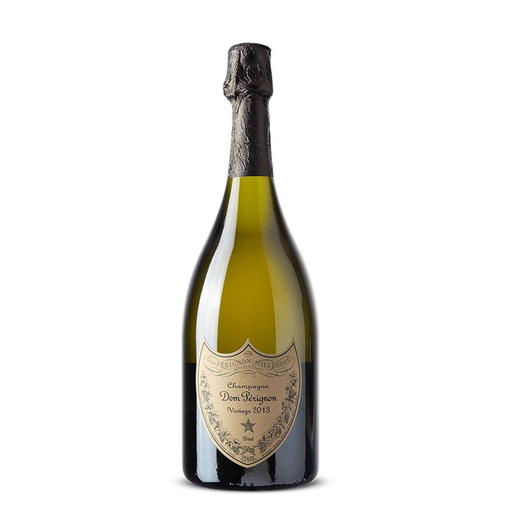
Reserved for connoisseurs and unforgettable moments. Every bottle of Dom Pérignon is a vintage, capturing the essence of a single, unique harvest year. It is a wine for tasting—complex, deep, and inviting contemplation.
Here, the price isn't driven by marketing, but by rarity. It is a vintage from the best plots, produced only in exceptional years. You are paying for the exclusivity and complexity of a unique harvest.
Extraordinary aromatic complexity and depth. Exceptional ageing potential, allowing it to improve over decades.
Discover our complete selection of champagnes, all chosen for their quality and character.
A vintage is always more expensive than a non-vintage brut from the same house, and for good reason. First, it is only produced in years deemed exceptional, so it's made in limited quantities. Second, its cellar ageing is much longer (a minimum of three years, but often much more) for it to develop its full complexity. The non-vintage brut, on the other hand, is the house's signature cuvée: its purpose is to offer a consistent and accessible taste year after year.
To preserve its bubbles and aromas, a bottle of champagne should always be stored on its side to keep the cork moist and ensure a proper seal. The ideal conditions are a cool cellar (between 10 and 12°C / 50 and 54°F), away from light and vibrations. No cellar? A cool, dark cupboard will suffice for a few months. Above all, avoid long-term storage in the refrigerator: its dry cold can damage the cork.
Absolutely! A champagne gift set is an almost universally appreciated present. For a wedding or a major birthday, aim for a prestige cuvée or a vintage to mark the occasion. For a dinner with friends or as a thank-you gift, an excellent non-vintage brut from a house like Laurent-Perrier or a more original rosé champagne will always be a delight. The secret is to tailor the cuvée to the event and, if possible, to the recipient's tastes.