
Livraison le jour même ou le lendemain

Qualité garantie

Débloquez vos offres de bienvenue: Livraison GRATUITE | Jusqu'à -80 % | 30 jours d'essai gratuits à JoyPlus
Téléchargez l'application
Buying champagne brut and sparkling wines online isn’t just about spotting a pretty label or a well-known brand. Between French champagne, crémant, brut sparkling wine and brut cider, the production method, dosage, bottle size and food pairings can all significantly change the experience at the table.
A few common mistakes keep cropping up:
To choose a French champagne, look for the Champagne AOP mention on the label. Cuvées typically blend pinot noir, meunier and chardonnay in varying proportions. For example, the Veuve Clicquot A.O.P. Yellow Label Brut Champagne 75 cl contains 50 to 55% pinot noir, 15 to 20% meunier and 28 to 33% chardonnay.
A Crémant de Bourgogne or a Crémant de Bordeaux can work just as well for an aperitif or a meal, offering a different regional expression. The Calvet AOP Crémant de Bordeaux Brut Blanc de Blancs 75 cl, for instance, highlights notes of brioche and candied fruit. The François Martenot Brut AOP Crémant de Bourgogne, meanwhile, leans towards citrus, flowers and toasted hazelnut.
The term brut corresponds to a regulated dosage category. However, it doesn’t guarantee a very dry sensation on the palate: acidity, grape varieties and ageing time all influence how the wine tastes.
For a livelier, more taut cuvée, go for a brut or an extra-brut. Rosé champagne brut and rosé sparkling wine often develop red fruit aromas. The Cruset Rosé Brut Sparkling Wine 750 ml, for example, evokes cherry and strawberry. Conversely, a demi-sec can accompany a dessert, but shouldn’t be confused with a brut.
The 75 cl format is generally suitable for an aperitif or a shared meal. For individual consumption, 33 cl bottles of brut cider are more practical to serve. Also remember to check:
White sparkling wine pairs well with shellfish, fish, poultry and savoury bites. A rosé sparkling wine will naturally complement red fruit desserts. Brut cider, for its part, offers a fruity alternative for an aperitif or with a galette.
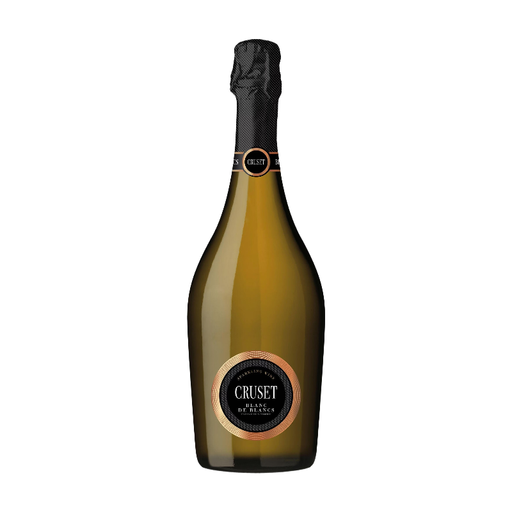
Why this choice suits this profile: Its 75 cl format and fruity profile let you discover a brut sparkling wine for an aperitif or during a meal, without jumping straight to a Champagne cuvée.
The product page details the ingredients, the presence of sulphites, storage conditions and the energy value of 73 kcal per 100 ml. So the choice isn’t based solely on the bottle’s appearance.
A golden robe, notes of white fruit and recommended pairings with scallops, fish or poultry.
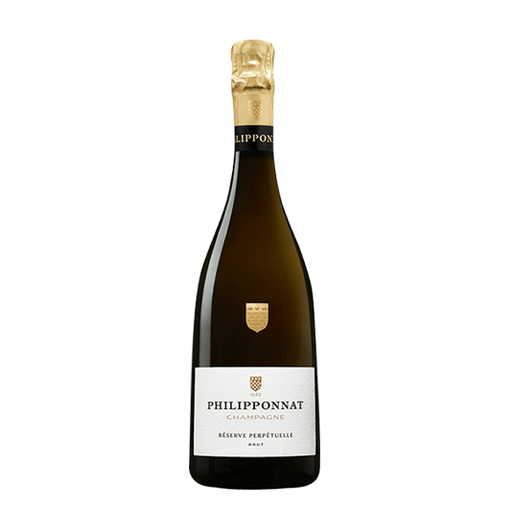
Why this choice suits this profile: This cuvée is aimed at those looking for a premium champagne for a gift, a dinner or a celebration, with detailed information about its production.
The product page states a dosage of 8 g/l, ageing for over 36 months on the lees and a proportion of 25 to 35% reserve wines.
12.5% ABV, 75 cl format, predominantly pinot noir and Champagne AOC origin.
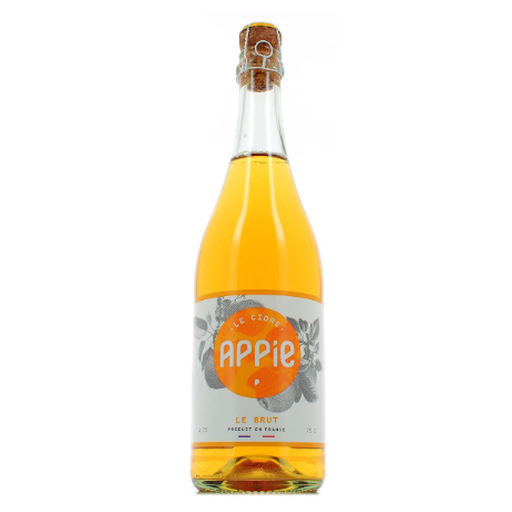
Why this choice suits this profile: This 75 cl brut cider is ideal for convivial meals, Normandy-style aperitifs and anyone looking for an apple-based sparkling drink.
The product page specifies that it is made from pressed French apple juice, with no added sugar, no concentrate and no colouring.
4.7% ABV, a pure juice recipe and a format perfect for sharing.
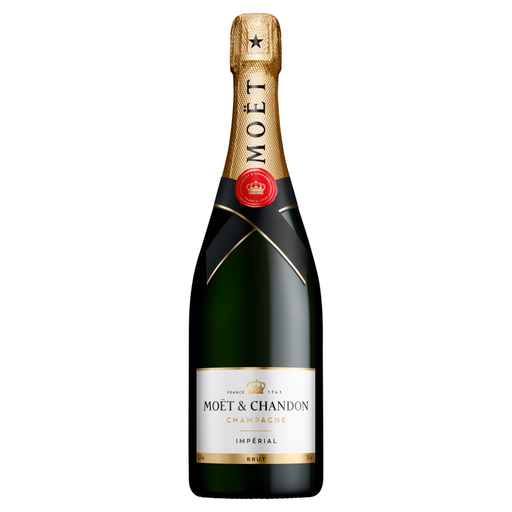
Why this choice suits this profile: Its versatile profile makes it an easy champagne to serve as an aperitif, during a festive meal or with a variety of pairings, from oysters to fruity desserts.
The product page details the blend, made up of 40% pinot noir, 40% meunier and 20% chardonnay, as well as the recommended serving temperature of between 10 and 12 °C.
Notes of apple, pear, white peach and citrus, with an alcohol content of 12% ABV stated in the nutritional information.
For a champagne as an aperitif, serve it well chilled with gougères, seafood, smoked salmon or charcuterie. Crémant de Bordeaux can accompany a dessert, while a Crémant de Bourgogne brut will pair nicely with fish and light starters.
Store bottles lying down or standing up, depending on the producer’s recommendations, always away from light and temperature fluctuations. After opening, use a special sparkling wine stopper and place the bottle in the fridge. It will gradually lose its pressure, so it’s best to finish it quickly.
Alcoholic drinks are for adults only. Alcohol consumption is not recommended during pregnancy or before driving. Always check the labelling, especially if you are sensitive to sulphites, and drink responsibly.
Champagne is produced in the Champagne region, according to the rules of its appellation. Crémant is made in other French regions, such as Burgundy or Bordeaux, and falls under its own appellation. Both can be brut, but their origin, grape varieties and blend differ.
A 75 cl bottle will typically serve around six 12 cl glasses, depending on how full you pour them. For a reception, allow for more bottles if the sparkling wine is to accompany the whole meal.
With a stopper designed for sparkling wines and storage in the fridge, the bottle can remain enjoyable for one to two days. The bubbles and aromas will then gradually fade.