
Livraison le jour même ou le lendemain

Qualité garantie

Débloquez vos offres de bienvenue: Livraison GRATUITE | Jusqu'à -80 % | 30 jours d'essai gratuits à JoyPlus
Téléchargez l'application
Buying a champagne brut 75 cl might seem straightforward at first glance. Yet the label and the prestige of the house alone aren't always enough to make the right choice. Between the big houses, champagne rosé 75 cl and alternatives such as crémant, the differences in style and price can be considerable.
To avoid ending up with a bottle that doesn't suit the meal or your budget, take the time to check a few concrete details: the appellation, the dosage, the grape blend, the alcohol content and the storage conditions.
The term Champagne refers to a protected designation of origin produced in the Champagne region, according to very precise specifications. A Crémant de Bourgogne, a Crémant de Bordeaux or a brut sparkling wine can offer perfectly pleasant bubbles, but they don't come under the same appellation or the same production rules.
A lower price doesn't necessarily mean lower quality. It often reflects a different origin and production method. To compare bottles on a solid basis, always check the appellation stated on the label.
An elegant bottle, a well-known house or a luxurious gift box can naturally influence your perception of the product. But the style of a cuvée also depends on the blend, the dosage and the length of ageing. A prestige cuvée will be perfect for a gift or a special occasion, while a crémant can be a more sensible choice for a drinks party with lots of guests.
Heat, light and temperature fluctuations can quickly dull the aromatic qualities of a sparkling wine. A bottle left near a radiator or in a very bright kitchen risks losing its freshness in particular.
When it comes to serving, a temperature between 8 and 12 °C is generally suitable, depending on the style of the cuvée. Cool the bottle gradually and open it gently, without a loud 'pop' – this will preserve the pressure and the finesse of the bubbles.
To choose a bottle of champagne for an aperitif or a cuvée intended for a celebration, start by distinguishing the following categories:
The term Brut indicates a moderate level of residual sugar, but the exact dosage can vary from one cuvée to another. A non-dosé bottle or one labelled 'zero added sugar' will generally offer a drier, more direct and more mineral sensation.
Versatile, classic brut works well with an aperitif as well as seafood, fish or poultry. With a fruity dessert, a champagne rosé 75 cl or a more aromatic sparkling wine may pair better with the flavours.
The three grape varieties traditionally associated with champagne are Pinot Noir, Meunier and Chardonnay. A blend dominated by Pinot Noir generally brings more structure, while Chardonnay contributes freshness and citrus notes. These indications give you an initial idea of the style, but obviously don't replace tasting.
The alcohol content is most often around 12 to 12.5% vol., but only the label is definitive. Sparkling wines generally contain sulphites, which must be listed among the allergens. Consumption should be moderate. The sale and consumption of alcohol are reserved for adults. Alcohol is not recommended during pregnancy and you should never drive after drinking.
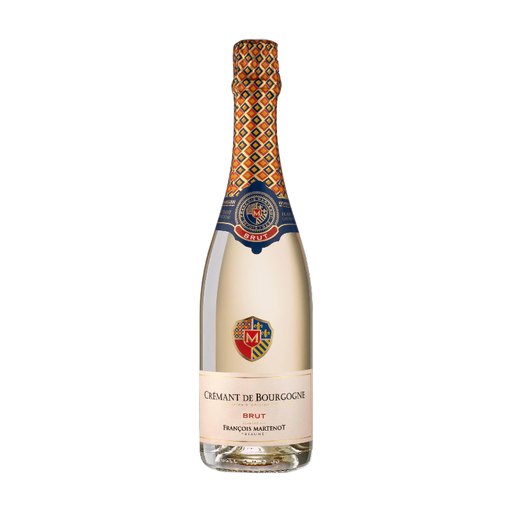
Why this choice suits this profile: This Crémant de Bourgogne rosé lets you discover a French sparkling wine in a 75 cl bottle, with a budget that's generally gentler than that of a Champagne cuvée. Its fruity profile is perfectly suited to a convivial aperitif.
The Crémant de Bourgogne appellation is clearly stated: you are therefore comparing this product transparently, without confusing it with a champagne.
Pale pink colour, fine bubbles, notes of citrus and red fruits, around 12% vol. and 75 cl format.
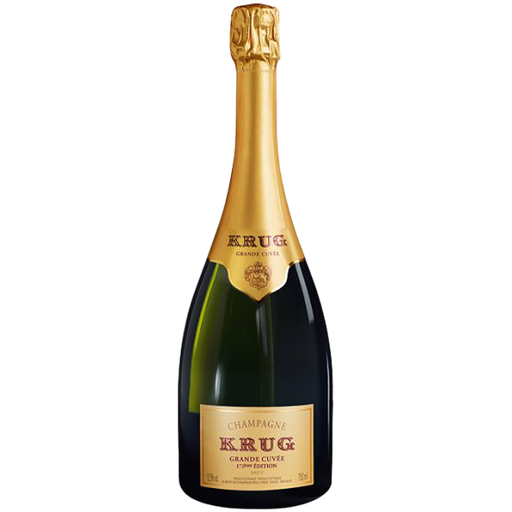
Why this choice suits this profile: This prestige cuvée is aimed at those looking for a bottle to give as a gift or to serve at a reception where the reputation of the house and the aromatic complexity really matter.
The product page mentions a composition made from many reserve wines and several vintages: the choice is therefore based on precise characteristics, not just on the prestige of the packaging.
Noted notes of dried fruits, candied citrus, toasted almond and toasted bread, with a full texture.
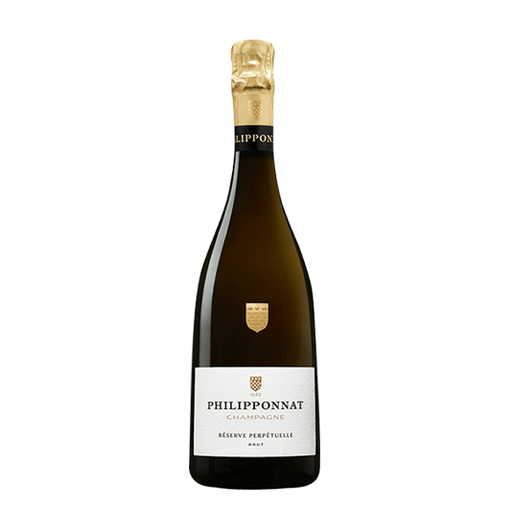
Why this choice suits this profile: Its Brut dosage and Pinot Noir-dominated blend allow it to accompany a meal, a careful tasting or any occasion that calls for a structured bottle.
The product page specifies a dosage of 8 g/L and ageing on the lees for over 36 months: this information helps you better understand the style of the cuvée before buying.
Champagne AOC, 12.5% vol., 75 cl format and the presence of reserve wines in the blend.
We have put together a comprehensive, real-time updated selection of products that meet these selection criteria as well as the requirements of European safety regulations.
Store the bottle in a cool, dry place away from light, ideally between 10 and 12 °C before serving. Once opened, use a stopper specially designed for sparkling wines and place it in the fridge to slow down the loss of bubbles.
When it comes to food pairings, a classic brut goes well with oysters, seafood, sushi, fish and poultry. A rosé can pair with red fruits, a lightly sweet dessert or certain spicy dishes. For an aperitif, allow about 10 to 12 cl per person, taking into account the alcohol content and the number of guests.
With a serving of 10 to 12 cl, count around six glasses. During a meal, the actual number will depend on the pace of service and the other drinks on offer.
Non-vintage cuvées are generally ready to drink as soon as you buy them. However, their ageing potential depends on the house, the type of cuvée and the storage conditions. Check the information on the product page or label, and avoid warm or light-exposed places.
Brut contains a small amount of residual sugar, whereas non-dosé receives no sugar after disgorgement. The latter often has a drier, more lively and more direct profile. The choice depends on your preferences, the dishes being served and the occasion.