
Livraison le jour même ou le lendemain

Qualité garantie

Débloquez vos offres de bienvenue: Livraison GRATUITE | Jusqu'à -80 % | 30 jours d'essai gratuits à JoyPlus
Téléchargez l'application
Buying a bottle of champagne brut 75 cl might seem straightforward at first. However, several factors can affect the tasting experience and value for money. With the big houses, grower cuvées, rosé champagnes and alternatives like crémant, the label alone isn't always enough to make an effective comparison.
Three mistakes French buyers often make:
The term brut refers to a champagne with a moderate dosage, typically between 6 and 12 g of sugar per litre, depending on the cuvée. On the palate, the result can be crisp, rounded, fruity or more structured. For an aperitif, look for descriptions that mention freshness, citrus or white fruits. With a meal, a more full-bodied cuvée can accompany fish, poultry or savoury starters.
Non-dosé, also known as "zero dosage", gives a drier sensation and lets the base wine express itself more fully. Rosé champagne, on the other hand, often develops red fruit notes. It works equally well as an aperitif, with a fruity dessert or with certain lightly spiced dishes.
The Champagne appellation is based mainly on three grape varieties: Pinot Noir, Meunier and Chardonnay.
A 75 cl bottle of champagne can combine these grape varieties in very different proportions. Veuve Clicquot Yellow Label Brut, for example, states a blend of 50 to 55% Pinot Noir, 15 to 20% Meunier and 28 to 33% Chardonnay. Laurent-Perrier Brut, meanwhile, indicates 45% Chardonnay, 40% Pinot Noir and 15% Meunier.
A standard 75 cl bottle will typically serve around six 12 cl flutes, depending on the glass type and fill level. The references on offer usually show an alcohol content close to 12% or 12.5% vol. However, always check the label and product page before ordering.
The presence of sulphites must also be stated. Anyone sensitive to them should therefore read the ingredients and allergen list carefully. The sale and consumption of alcohol are reserved for adults. Alcohol should be consumed in moderation and must never be associated with driving. Its consumption is not recommended during pregnancy.
The selection below covers several uses: a first celebration, a festive meal, a gift or discovering a prestige cuvée. The characteristics mentioned are taken from the information available on the product pages.
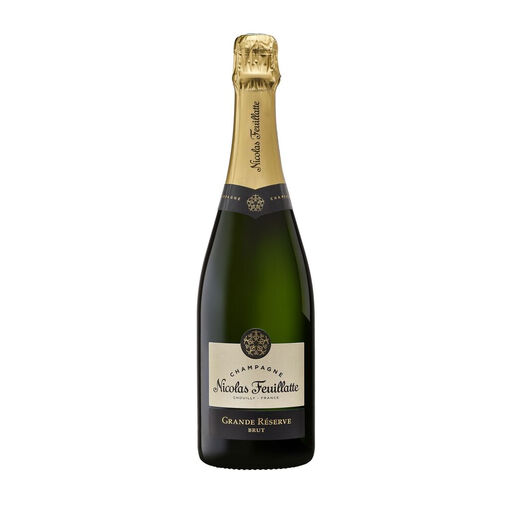
Why this choice suits this profile: This cuvée is ideal for a first order or a get-together with friends. Its brut, fruity and balanced profile brings out notes of pear, apple and almond.
The product page clearly states the 75 cl volume, the 12% vol. alcohol content and the presence of sulphites. That means you can compare based on concrete criteria, rather than just the packaging.
A French champagne in 75 cl at 12% vol., characterised by white fruit aromas and recommended with seafood, oysters and white meats.
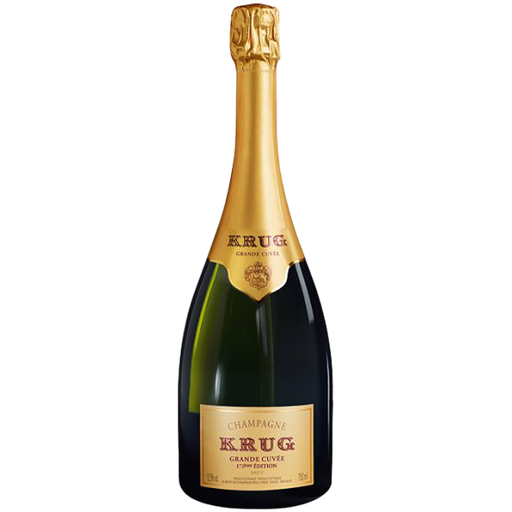
Why this choice suits this profile: This cuvée is aimed at those seeking a prestige champagne with a carefully crafted aromatic palette and a structure that invites you to take your time.
The product page details the use of reserve wines from several harvests. This goes beyond the simple promise associated with the house's prestige.
Notes of dried fruit, candied citrus, toasted almond, brioche and sweet spices, carried by a full-bodied texture.
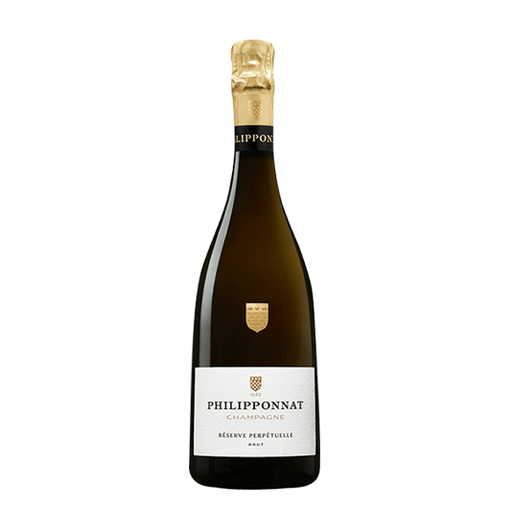
Why this choice suits this profile: Its more structured profile can accompany a festive meal or satisfy an enthusiast looking to compare a deeper, more complex Champagne AOC cuvée.
The product page specifies an ageing period of over 36 months on the lees, a dosage of 8 g/l and a proportion of reserve wines. Three valuable pieces of information for comparing cuvées.
A 75 cl bottle at 12.5% vol., dominated by Pinot Noir, from the Champagne AOC and made from grapes sourced mainly from Premier Cru and Grand Cru vineyards.
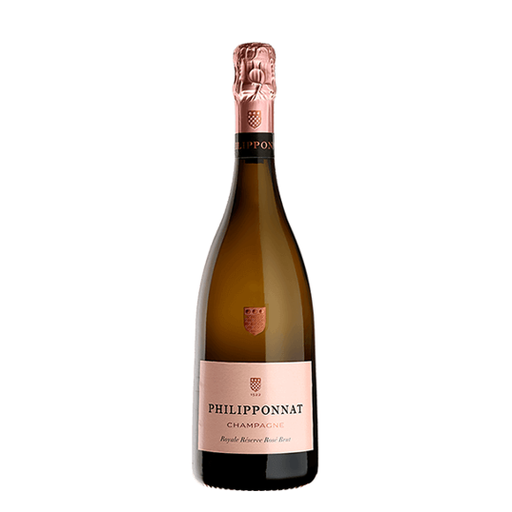
Why this choice suits this profile: Its salmon-pink colour and notes of cherry, wild strawberry and citrus make it a bottle suited to celebrations, aperitifs or a red fruit dessert.
The product page distinguishes between colour, nose and palate. A great way to choose this rosé for its flavour profile, not just its appearance.
A stated blend of 75% Pinot Noir, 20% Chardonnay and 5% Meunier, with an effervescence described as fine and persistent.
We have put together a comprehensive and regularly updated selection of products that meet these selection criteria as well as the requirements of European safety regulations.
Store champagne in a cool, dry place away from light, avoiding strong temperature fluctuations. Recommendations can vary from one cuvée to another: some are ready to drink, while others will benefit from a few more years of ageing. The date and instructions on the packaging remain the best references to follow.
For serving, a temperature between 8 and 12 °C is generally recommended, depending on the product. Chill the bottle gradually and forget the freezer. A clean, sufficiently wide flute allows you to appreciate the aromas better. When opening, hold the cork firmly, then gently turn the bottle without pointing the neck towards anyone.
A 75 cl bottle will typically serve around six 12 cl flutes. The exact number depends on the glass type, fill level and how many servings you plan.
A non-vintage brut champagne is often sold ready to drink. However, its shelf life depends on the cuvée and storage conditions. Check the product page and label, then store the bottle away from light and heat.
For a champagne aperitif, a brut with notes of white fruit, citrus or flowers generally pairs well with canapés, seafood and salmon. A rosé will be more suitable if you are looking for red fruit aromas. The final choice will depend on the dosage, the blend and your guests' tastes.