
Livraison le jour même ou le lendemain

Qualité garantie

Débloquez vos offres de bienvenue: Livraison GRATUITE | Jusqu'à -80 % | 30 jours d'essai gratuits à JoyPlus
Téléchargez l'application
Choosing a champagne brut 75 cl might seem straightforward. Yet the difference between an appellation champagne, a brut sparkling wine, a brut crémant or a brut cava can significantly change the experience in the glass. Price alone is no reliable guide to the finesse of the bubbles, the wine's style or its ability to accompany a meal.
To avoid picking the wrong bottle, start by checking its origin, dosage and aromatic profile. A 75 cl bottle is generally suitable for several guests. For a no-fuss aperitif, another sparkling wine can also offer a more accessible alternative.
The term Champagne AOC refers to a wine produced in the Champagne region, according to strict specifications. A crémant, a cava or another brut sparkling wine may be made from different grape varieties, using different methods and in different regions. That does not mean it cannot grace a festive table, but its origin and profile are not the same.
For example, the Cruset Brut Sparkling Wine Blanc de Blancs 75cl and the JP Chenet Premium Sparkling Wine Brut 750ml are sparkling wines, not champagnes. Nevertheless, they can accompany an aperitif, fish or poultry.
"Brut" indicates a regulated dosage category, but on its own it tells you nothing about texture, acidity or aromas. A brut can be fresh and fruity, round, floral, toasty or more structured, depending on its blend and ageing.
So look at the grape varieties used and the serving suggestions. Chardonnay often brings freshness and floral notes, while Pinot Noir contributes more to the structure. Meunier typically expresses itself through a soft, approachable fruitiness.
Heat, light and excessive humidity can spoil the wine. Store the bottle in a cool, dry place away from light, following the instructions on the label. For serving, a temperature between 8 and 12 °C is generally recommended, depending on the cuvée.
Avoid leaving the bottle in the freezer for too long. Gradual chilling in the fridge or an ice bucket helps limit sudden temperature changes.
Start by distinguishing between the different categories:
A blanc de blancs is generally made from white grapes, often Chardonnay. A blanc de noirs, on the other hand, comes from black grape varieties vinified with clear juice. These terms give a first indication of the style, but the product sheet is still essential to know the exact blend.
Dosage directly affects the perception of sweetness. For a brut champagne, the residual sugar content falls within the regulatory range for this category. The sensation on the palate also depends on the acidity, the wine's maturity and its serving temperature.
For a champagne for an aperitif, choose a fresh, fruity profile that is versatile enough. At the table, toasty notes, structure and length on the palate may matter more. The Réserve Perpétuelle Brut de Philipponnat, for instance, indicates a dosage of 8 g/l and ageing on the lees for over 36 months.
Tasting descriptions are good guides for choosing a bottle to suit your menu:
Sparkling wines often contain sulphites. Check the allergen information, alcohol content and nutritional values on the product sheet and label. Alcohol consumption is for adults only and is not recommended during pregnancy. Drink responsibly and do not drive after consuming alcohol.
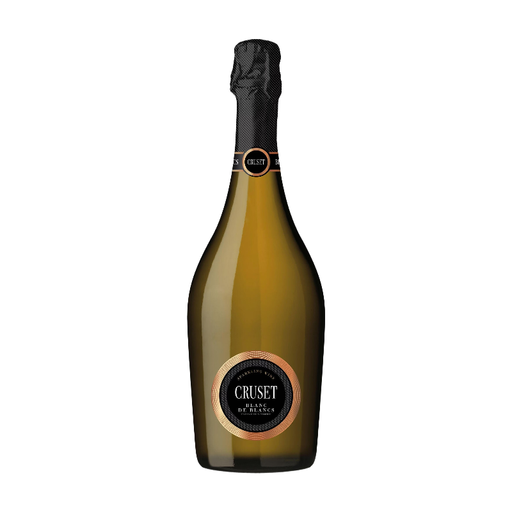
Why this choice suits this profile: Its 75 cl format and fruity profile, marked by white fruits, make it a simple option for a first purchase, whether for an aperitif or during a meal.
The product sheet clearly states it is a blanc de blancs sparkling wine, which avoids confusing it with a bottle of Champagne AOC.
Notes of white fruits and a floral character, with suggested pairings including scallops, fish and poultry.
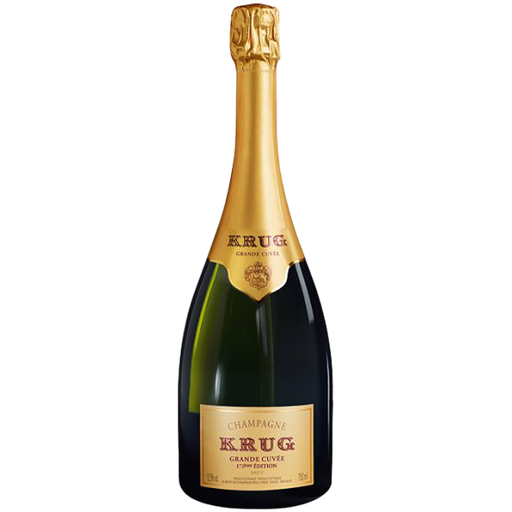
Why this choice suits this profile: This prestige cuvée is aimed at those seeking a rich aromatic palette, whether for gifting or marking a special occasion.
The product sheet details the use of reserve wines from several vintages, rather than relying solely on the brand image.
Aromas of dried fruits, candied citrus, toasted almond, toasted bread and sweet spices.
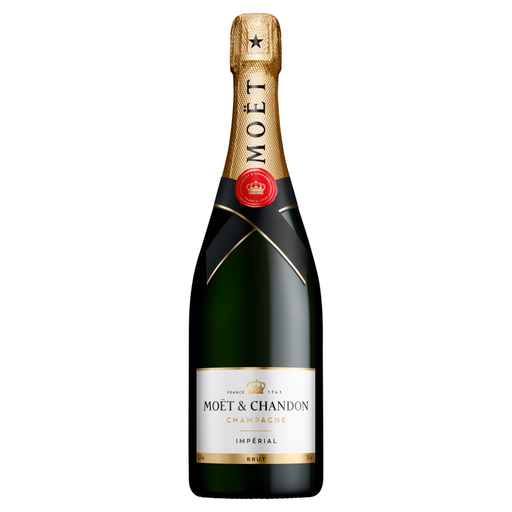
Why this choice suits this profile: Its versatility, from aperitif to dessert, makes it ideal for festive meals where a single cuvée needs to accompany several courses.
The stated blend of Pinot Noir, Meunier and Chardonnay provides a concrete reference point for its style, without reducing the choice to brand prestige alone.
A profile marked by white fruits, citrus, flowers and brioche, with a recommended serving temperature between 10 and 12 °C.
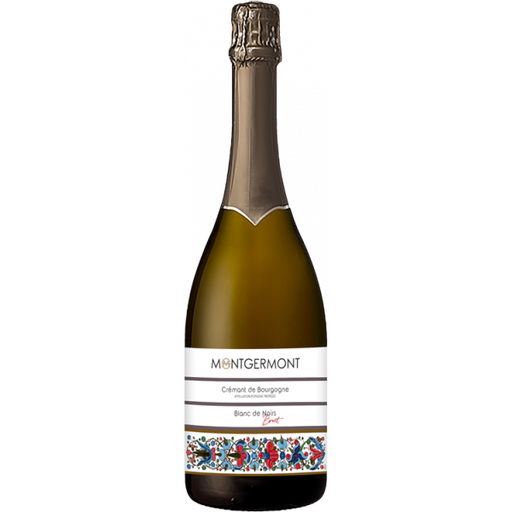
Why this choice suits this profile: This brut crémant allows you to serve several guests at a dinner or reception, without opting for a Champagne appellation.
The Crémant de Bourgogne AOP designation is clearly stated, making it easy to compare with a French brut champagne.
Notes of ripe raspberry, lemon and marzipan, accompanied by lively bubbles and a subtle freshness.
We have put together a comprehensive, real-time updated selection of products that meet these selection criteria, while complying with European safety regulations.
A bottle of champagne for celebrations and special occasions should be stored away from light and temperature fluctuations. Serve it gradually in flutes or white wine glasses that are narrow enough to preserve the aromas. A temperature that is too low masks the fruitiness, while a temperature that is too high accentuates the alcohol sensation.
After opening, use a stopper specially designed for sparkling wines and place the bottle back in the fridge. However, the pressure and freshness will diminish quickly. It is better to finish it within a few days than to try to keep it for too long.
A 75 cl bottle will typically serve around six flutes of 10 to 12 cl. The exact number depends on the type of glass and the amount poured. For a reception, allow an extra bottle so you do not run out during the meal.
Brut champagne comes from the Champagne appellation area, while brut crémant is produced in another French region, with its own set of specifications. The choice therefore depends on the origin you are looking for, your budget, the aromatic style and the occasion.
A fresh, fruity brut with notes of white fruits, citrus or flowers pairs easily with canapés, seafood and light dishes. For a more original option, a rosé champagne can accompany red fruits, tapas or a fruit-based dessert.