
Livraison le jour même ou le lendemain

Qualité garantie

Débloquez vos offres de bienvenue: Livraison GRATUITE | Jusqu'à -80 % | 30 jours d'essai gratuits à JoyPlus
Téléchargez l'application
Buying a champagne brut 75 cl online might seem straightforward. Yet, between the big houses, prestige cuvées, crémants and other sparkling wines, the label and marketing can quickly muddy the waters. What's more, the price doesn't always reflect what really matters for your meal or event.
To avoid any nasty surprises, three common pitfalls keep cropping up:
The AOP Champagne label guarantees a regulated geographical origin and compliance with strict production rules. A crémant de Bourgogne, a crémant de Bordeaux or a cava brut may also be made using the traditional method, but they are not champagnes.
The term brut refers to the dosage level – in other words, the amount of residual sugar left after production. On the palate, this style generally offers a good balance between freshness and roundness. It is versatile enough for both an aperitif and the dinner table, though it won't suit every palate.
Three grape varieties are mainly associated with champagne: Pinot Noir, Meunier and Chardonnay.
A blanc de blancs is made from white grapes, most often Chardonnay. A blanc de noirs comes from black grape varieties vinified without prolonged skin contact. The choice therefore depends above all on the profile you're after, not just the prestige printed on the label.
A 75 cl bottle will serve roughly six 12 cl flutes, depending on the size of the glasses and how full you pour them. Serve champagne generally between 8 and 12 °C, following the instructions on the product page.
Store the bottle away from light, heat and humidity. After opening, use a stopper specially designed for sparkling wines and place the bottle in the fridge. Also remember to check for the "contains sulphites" statement, which is very common on champagnes and sparkling wines.
Alcohol consumption is for adults only. It is not recommended during pregnancy, and you should never drink and drive.
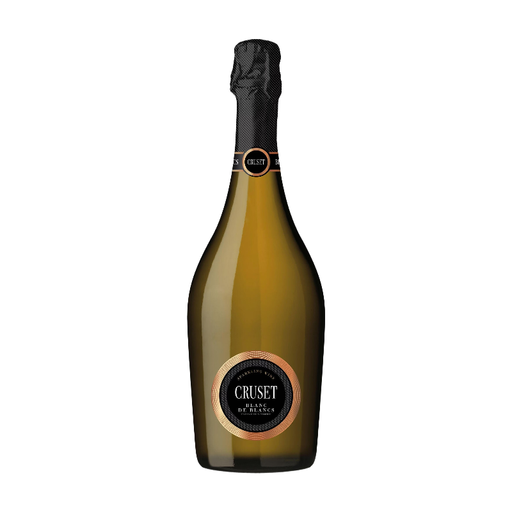
Why this choice suits this profile: This sparkling wine comes in a classic format with an easy-drinking blanc de blancs style, suitable for an aperitif or a light meal.
The product page states the style, food pairings with fish and poultry, and the presence of sulphites, rather than relying solely on the bottle's appearance.
A golden colour, notes of white fruit and a floral touch. The product page states 73 kcal per 100 ml.
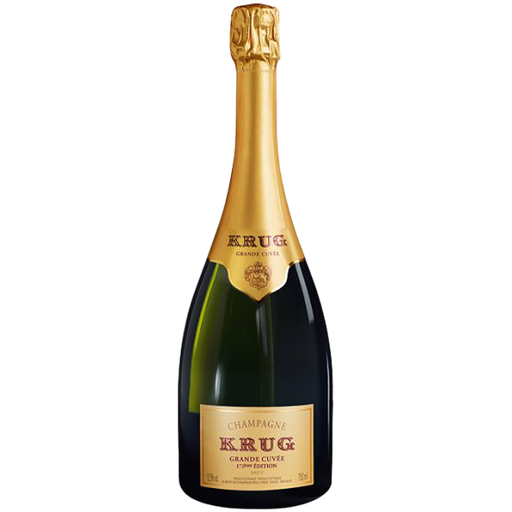
Why this choice suits this profile: Its presentation and aromatic profile are aimed at those looking for a prestige champagne for a gift or a special occasion.
The product page specifies the use of reserve wines from several vintages – a concrete detail that goes beyond the house name alone.
A full and velvety profile, marked by dried fruit, candied citrus and toasted almond, with a saline finish.
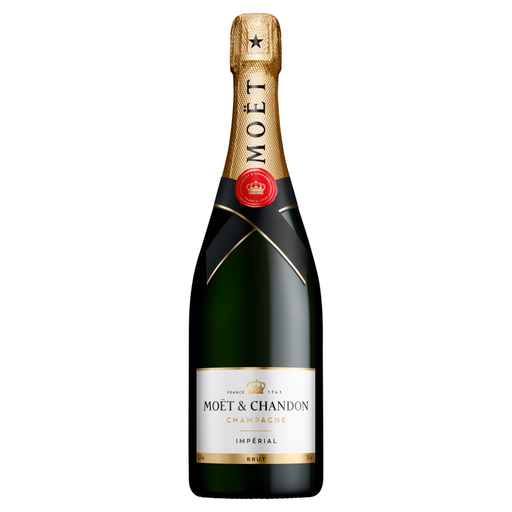
Why this choice suits this profile: This non-vintage cuvée is ideal for festive meals, large aperitifs and regular purchases when you want a style that's easily recognisable.
The product page lists the blend, alcohol content, serving temperature and several food pairings, making meal planning much easier.
A stated blend of 40% Pinot Noir, 40% Meunier and 20% Chardonnay, with notes of white fruit and citrus.
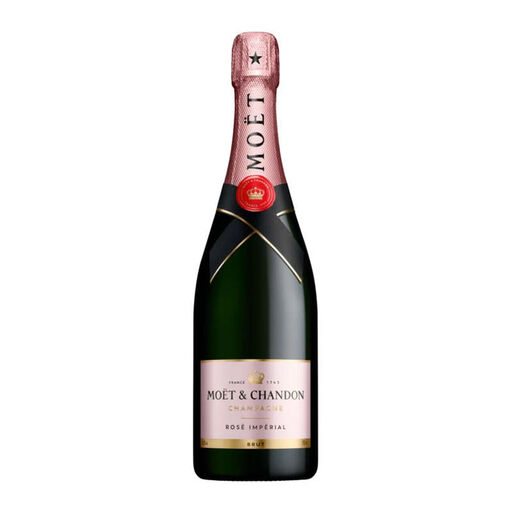
Why this choice suits this profile: This rosé cuvée is aimed at those looking for a champagne for a birthday, celebration or a red berry dessert.
The colour isn't its only selling point: the product page details the red fruit aromas, serving temperature and possible food pairings.
A pink colour, a bouquet of strawberry, raspberry and redcurrant, plus a round and fruity palate.
We've put together a full list, updated in real time, of products that meet these exacting criteria as well as European safety standards.
For a celebration with a recognised appellation, go for a champagne brut 75 cl. If you'd like to keep a tighter grip on your budget, a crémant de Bourgogne, a crémant de Bordeaux or a cava brut can be an interesting alternative. In any case, check the origin, dosage and suggested food pairings.
Rosé champagne pairs more easily with red berry desserts and certain spicy dishes. A white brut will find its place more naturally with an aperitif, seafood, fish or poultry. Cuvées such as Veuve Clicquot, Ruinart, Nicolas Feuillatte or Laurent-Perrier cover a range of styles and budgets. It's better to compare the information on the product page than to choose based solely on brand recognition.
Allow roughly six 12 cl glasses. For a lingering aperitif or a meal with several guests, plan for an extra bottle to avoid filling the glasses to the brim.
Follow the instructions on the product page and the label. An unopened bottle should be stored in a cool place, away from light and temperature fluctuations. Once opened, it quickly loses its fizz: use a special sparkling wine stopper and drink it promptly.
Compare the price per volume, the appellation, the dosage and the stated food pairings. A crémant or another sparkling wine can be a perfectly sensible alternative when the AOP Champagne label isn't essential. Even for a budget-friendly champagne, rely on the information on the label and the storage conditions.