
Livraison le jour même ou le lendemain

Qualité garantie

Débloquez vos offres de bienvenue: Livraison GRATUITE | Jusqu'à -80 % | 30 jours d'essai gratuits à JoyPlus
Téléchargez l'application
Choosing a champagne brut 75 cl seems simple… until you start comparing houses, dosage levels and appellations. Whether you need a bottle for an aperitif, a festive meal or a gift, the expectations are different. And price alone doesn't always reveal the style on the palate.
Three common pitfalls keep cropping up for shoppers in France:
To choose a French champagne, start by checking the denomination on the label. Mentions such as "Champagne AOC" or "Champagne AOP" guarantee the protected origin. The term brut tells you about the dosage, but it does not mean "sugar-free". If you prefer drier champagnes, look instead for "extra-brut" or "non-dosé" mentions.
The 75 cl format is ideal for a dinner or a small gathering. It typically yields around six 12 cl flutes, depending on how full you pour them. For a larger party, count your guests to avoid running out of bottles or, conversely, opening several for no reason.
The three traditional Champagne grape varieties are pinot noir, meunier and chardonnay. Their proportions often influence the character of the cuvée:
The percentages alone cannot predict every sensation on the palate. However, they do provide a useful point of comparison between two different brut 75 cl champagnes.
Before you finalise your basket, take a moment to check the following points:
The sale and consumption of alcohol are reserved for adults. Consumption should remain moderate: alcohol is not recommended during pregnancy or before driving.
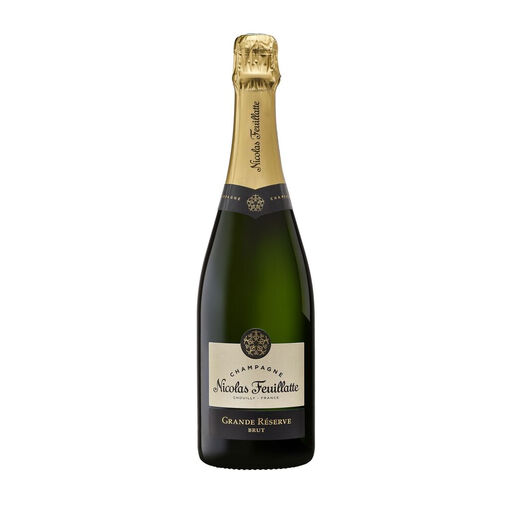
Why this choice suits this profile: This 75 cl cuvée is a great first introduction to brut champagne, with announced aromas of pear, apple and almond. Its profile works well with an aperitif, seafood or poultry.
The product page specifies the 75 cl format, the 12% vol. alcohol content, the presence of sulphites and the storage conditions. This allows you to compare the actual contents rather than relying solely on the bottle's appearance.
The grape varieties are listed on the product page, the bubbles are described as fine and persistent, and nutritional information is available per 100 ml.
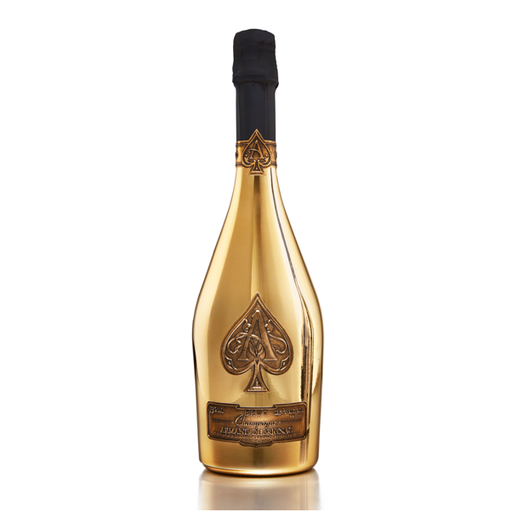
Why this choice suits this profile: The Brut Gold cuvée is presented as a prestige reference, ideal for a celebration or a gift when the standing and image of the house matter as much as the contents.
The description specifies that it is a blend of three vintages and mentions a silky texture with notes of fresh fruit. These details provide concrete reference points beyond the luxury image alone.
Brut Gold cuvée, 75 cl format, traditional blend of Champagne grape varieties and presentation designed for special occasions.
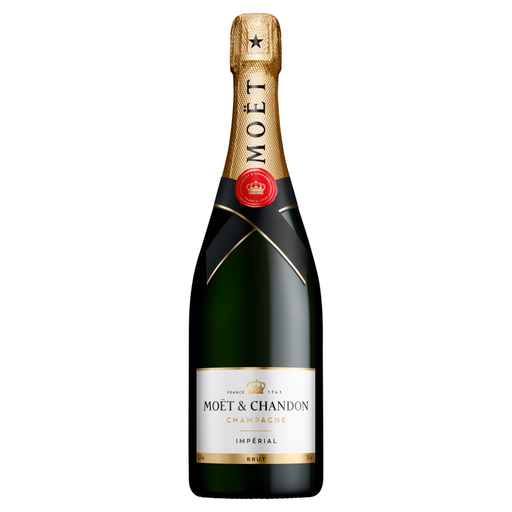
Why this choice suits this profile: Its description blends white fruits, citrus and brioche notes, with pairings that range from aperitif to dessert. A practical option when a single bottle needs to accompany several courses.
The product page indicates the brut dosage, the blend made up of 40% pinot noir, 40% meunier and 20% chardonnay, as well as serving suggestions. This helps you match it better with your menu.
750 ml bottle, 12% vol. stated, nutritional information per 100 ml and the bottle is made from 90% recycled glass according to the product page.
Chill the bottle before opening it, avoiding sudden temperature changes. A temperature between 8 and 12 °C is generally recommended, depending on the cuvée. To open it, hold the cork firmly and gently twist the bottle. Then serve in clean flutes.
For a champagne with an aperitif, choose a fresh, fruity cuvée. With oysters, sushi or seafood, tauter champagnes often work very well. For a gift or a celebration, the prestige of the house and the care taken with the presentation can matter as much as the aromatic profile. If your budget is tighter, also consider crémant de Bourgogne: this French sparkling alternative is not, however, covered by the Champagne appellation.
An open bottle does not keep as well as a sealed one. Use a stopper specially designed for sparkling wines and store it in the fridge. The bubbles will gradually fade, so it is best to finish it quickly.
We have compiled a complete, real-time updated list of products that fully meet these strict selection criteria and European safety regulations.
A 75 cl champagne bottle typically serves around six glasses of 10 to 12 cl. The exact number depends on the size of the flutes and how full you pour them.
A non-vintage brut champagne is usually sold ready to drink. Store it away from light and heat, then refer to the information on the product page or label. Once the bottle is open, use a suitable stopper and drink it promptly.
Yes, subject to the seller's terms and age verification. Before ordering, check the delivery charges, timescales, bottle protection system and availability of the reference. Information about sulphites, alcohol content and format should also be accessible.