
Livraison le jour même ou le lendemain

Qualité garantie

Débloquez vos offres de bienvenue: Livraison GRATUITE | Jusqu'à -80 % | 30 jours d'essai gratuits à JoyPlus
Téléchargez l'application
Choosing champagne or sparkling wine is not simply a matter of spotting a familiar label. From brut champagne and rosé champagne to prosecco, crémant, cava and sparkling wine, the origin, production method, dosage and price can all significantly affect the experience at the table.
Whether you are buying for an aperitif, a special meal or a gift, three common mistakes are worth avoiding:
Champagne is produced exclusively in the Champagne region and benefits from protected designation of origin status. The most commonly used grape varieties are pinot noir, meunier and chardonnay.
Crémant is also made using the traditional method, but in various French regions, such as Burgundy and Bordeaux. Cava comes from Spain, particularly the Penedès region, while prosecco is produced in Italy, mainly in Veneto and Friuli.
The terms sparkling wine or white sparkling wine cover a broader range of styles. They are not automatically an indication of higher or lower quality: it is better to check the label, country of origin and information provided by the producer.
The term brut generally indicates a low level of residual sugar, but several dosage levels exist. An extra dry wine, such as some proseccos, can therefore be slightly sweeter than a brut despite its name.
To make your choice without overcomplicating things:
Dosage does not replace tasting, of course, but it can help you avoid choosing a bottle that is too dry or too sweet for your planned menu.
The 75 cl bottle is the most common size for an aperitif or a meal. It will generally serve several flutes, depending on the size of the glasses and how generously they are poured.
Serving temperature varies by product: some champagnes are best enjoyed at around 9 to 12 °C, while Riccadonna prosecco is recommended at 6 °C. Served too warm, a bottle can taste more alcoholic and lose its freshness. If it is too cold, however, its aromas may be masked.
Store bottles away from light, heat and excessive humidity. Once opened, use a stopper specially designed for sparkling wines and place the bottle in the fridge. People who are sensitive to sulphites should also take their presence into account.
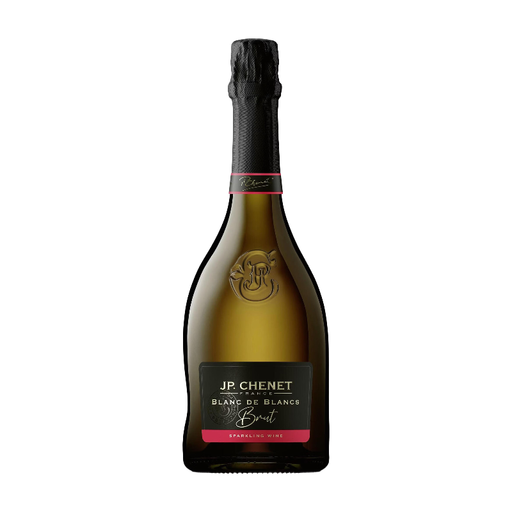
Why this choice suits this profile : Its 75 cl format and brut style make it an easy option for discovering sparkling wines as an aperitif or enjoying with a straightforward meal.
The product details specify the brut style, bottle size and presence of sulphites. A useful way to avoid choosing based solely on the bottle’s appearance.
A white sparkling wine with notes of white fruit, apricot and peach. Stated energy content: 68 kcal per 100 ml.
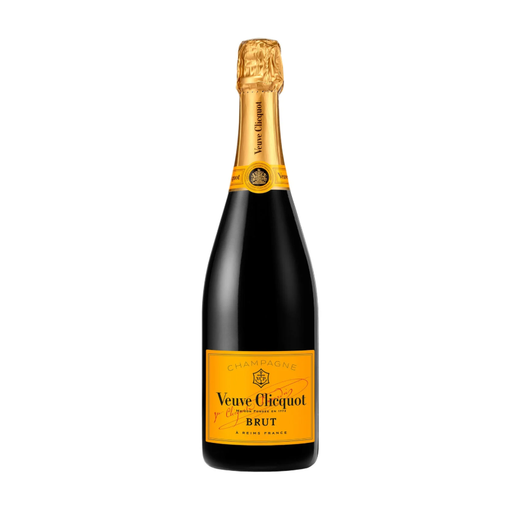
Why this choice suits this profile : This Champagne A.O.P. cuvée is ideal for anyone looking for a well-known house to mark a special occasion or give as a gift.
The stated blend specifies 50 to 55 % pinot noir, 15 to 20 % meunier and 28 to 33 % chardonnay.
A 75 cl bottle of brut champagne, to be stored between 10 and 12 °C, away from light.
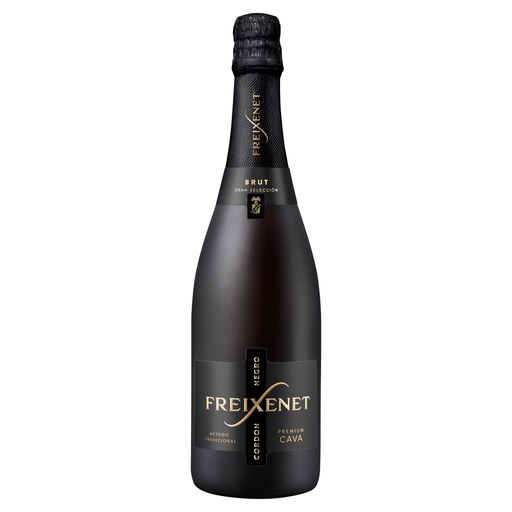
Why this choice suits this profile : This Spanish cava is well suited to large gatherings, tapas, seafood and meals where several bottles are likely to be served.
Its D.O. Cava origin, macabeo, parellada and xarel·lo grape varieties, and alcohol content of 11.5 % are clearly stated.
A profile with notes of lemon, green apple and light toast, with bubbles described as fine and persistent.
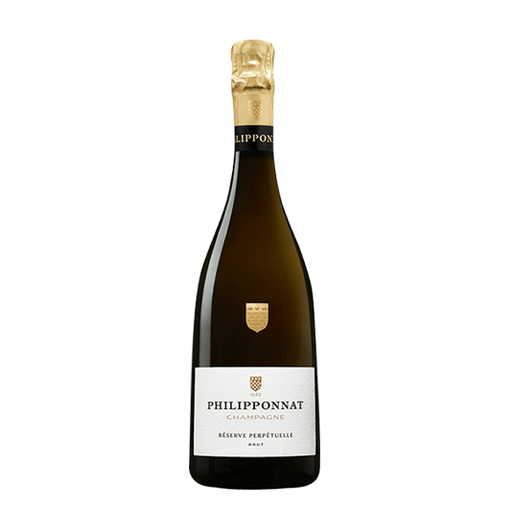
Why this choice suits this profile : Its detailed presentation makes it a thoughtful gift idea for someone who values origin, blending and ageing time.
The product details mention ageing for more than 36 months on the lees, 25 to 35 % reserve wines and a dosage of 8 g/l.
A 75 cl A.O.C. champagne, mainly made from parcels classified as Premiers Crus and Grands Crus according to the product details.
We have put together a complete, real-time updated list of products that meet these selection criteria and European safety regulations.
Pour the wine gradually to preserve the mousse and use clean glasses that are narrow enough to retain the bubbles without compressing the aromas. An opened bottle should be kept chilled and consumed promptly.
Champagne is produced in the Champagne region, prosecco in Italy, cava mainly in Spain and crémant in several French regions. The grape varieties, appellation rules and production methods differ. These factors explain some of the differences in style and price.
A non-vintage cuvée is generally made to be enjoyed while fresh, rather than aged for a very long time. Follow the instructions on the packaging, store the bottle away from light and avoid temperature fluctuations.
For an aperitif, one 75 cl bottle will generally serve several people, depending on the size of the glasses and the duration of the event. For a celebratory meal, allow more if the sparkling wine is served from the starter through to dessert.
The sale and consumption of alcohol are restricted to adults. Alcohol should be consumed in moderation. Alcoholic drinks are not recommended during pregnancy. Do not drive after drinking.