
Livraison le jour même ou le lendemain

Qualité garantie

Débloquez vos offres de bienvenue: Livraison GRATUITE | Jusqu'à -80 % | 30 jours d'essai gratuits à JoyPlus
Téléchargez l'application
Buying a set of 4 chair pads? Easy, in theory. In practice, it's often where the trouble begins. Between comfort that flattens out in a few weeks and fabrics that don't survive the first summer, an impulse buy can quickly turn into a regret. As the Head of Home & Gear at Joybuy, my mission is to help you avoid these pitfalls. Together, we'll break down what truly makes the difference for a smart, long-lasting purchase.
This guide gets straight to the point: we'll expose the three common pitfalls and give you the keys to choosing cushions that deliver on all fronts: style, comfort, and durability, whether for the dining room, the patio, or your outdoor adventures.
Marketing is often misleading. Here are the key points to watch out for so you can stop throwing your money away.
To avoid these traps, here are the three technical points to check before you head to the checkout.
The longevity of your chair pad all comes down to its cover.
The heart of your cushion is its filling.
The 40x40 chair cushion is a classic standard, but be aware that it's not universal.
Rather than aiming for a one-size-fits-all product that does everything poorly, it's better to choose a solution perfectly suited to your needs.
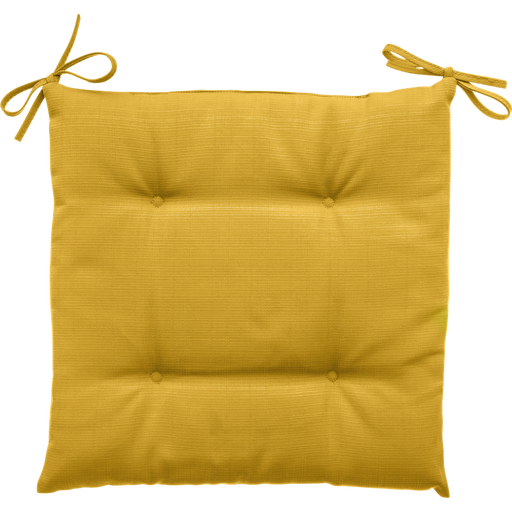
Why we love it: Perfect for instantly harmonising your decor and injecting a pop of vibrant colour into a dining room or covered balcony. The set of 4 format allows for immediate coordination, and the mustard chair pad colour is a sure-fire way to energise a space.
This product is designed for outdoor furniture but doesn't over-promise with a claim of total waterproofness. It avoids the "waterproof illusion" pitfall by being an excellent stylistic option for sheltered spaces (verandas, covered patios).
A coordinated set of four in the standard 40x40 chair cushion size, perfect for a quick and stylish makeover.
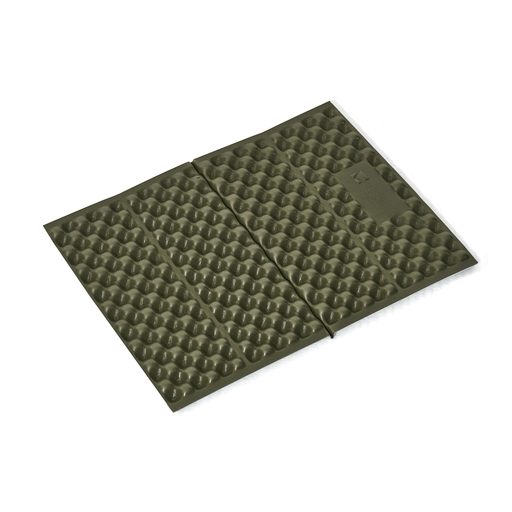
Why we love it: This is THE technical solution for on-the-go comfort outdoors. Perfect for hiking, fishing, or an impromptu picnic, this folding picnic cushion is designed first and foremost for insulation and portability.
It doesn't pretend to be a plush living room cushion. Its XPE foam with an egg-crate structure is optimised for insulation and durability, thus avoiding the "short-lived comfort" trap by perfectly fulfilling its purpose.
Ultra-light (approx. 45g), compact, and provides excellent insulation from cold, damp ground. Its surface is lightly water-repellent.
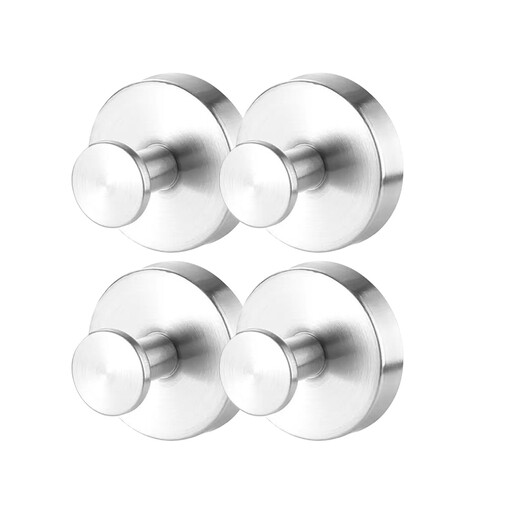
Why we love it: It's not a cushion, but it might be THE solution to a major problem: storage. For those short on space, these hooks allow you to hang chair pads (by their ties) or folding cushions on a tiled wall, a window, or inside a cupboard.
It directly tackles the risk of deterioration. By consistently storing your cushions in a dry, sheltered place, you prevent damage from dampness and mould, significantly extending their lifespan.
Drill-free installation, powerful suction on smooth surfaces, and finally, optimised space.
For those who want to explore other models suitable for outdoor use, we have curated a selection of products that meet strict criteria for durability and comfort.
Care depends on the material. The first step: read the label. As a general rule, for light stains, simple spot cleaning with a damp cloth is sufficient. Avoid machine washing unless explicitly permitted. For outdoor cushions, bring them inside during heavy rain and ensure they are completely dry before storing them to prevent mould. Storing them flat or hanging them up will preserve the shape of the filling.
The 40x40 cm format is a common standard, but it's not universal. Pro tip: before you buy, take out your tape measure and measure the width and depth of your chair seats. Some chairs, especially garden or bistro-style ones, can be smaller, larger, or have a rounded shape.
Imagine a water-repellent cushion as a fabric with a treatment that makes water droplets bead up. It will resist morning dew or a spilled drink, but water will eventually soak through with prolonged exposure. A waterproof garden cushion, on the other hand, has a physical barrier (a coating or membrane) that prevents water from passing through the fabric. It's designed to be left outside in moderate rain, although it's always wiser to bring it indoors during heavy downpours.