
Livraison le jour même ou le lendemain

Qualité garantie

Débloquez vos offres de bienvenue: Livraison GRATUITE | Jusqu'à -80 % | 30 jours d'essai gratuits à JoyPlus
Téléchargez l'application
Is your chair a bit too hard? Looking to refresh your decor without a complete overhaul? The chair pad is often the perfect fix. But be warned: the market is flooded with models that don't live up to their promises. To avoid disappointment and buyer's remorse, it's crucial to know how to spot the pitfalls.
Who hasn't been let down by a cushion that flattens in a few weeks, an "outdoor-rated" fabric that fades at the first sign of sun, or a so-called "universal" model that doesn't actually fit any chair? This guide is here to help you identify the criteria that truly make a difference and make an informed choice.
To ensure you make the right choice, there are three key points to check. These are what determine the quality and longevity of your future seat cushion for chairs.
This is the number one pitfall. A pad that's too small will look lost and be uncomfortable, while one that's too large will hang over the seat, a result that is as unstable as it is unsightly. While the 38x38 cm chair cushion is a classic size, it is far from universal.
Our advice: The one thing you must do before any purchase? Measure the width and depth of your chair seats. The cushion's dimensions should match your measurements, with virtually no margin for error for a perfect fit.
Don't be fooled by the initial fluffiness of a new cushion; it's often deceptive. A low-quality filling will collapse in record time, turning your pad into an uncomfortable pancake. It all comes down to the cushion's internal structure.
A quilted chair pad with multi-point tufting (16 or 36 points, for example) is an excellent hallmark of quality. This stitching technique keeps the filling in place, ensures even weight distribution, and prevents premature sagging. Materials like recycled cotton offer an excellent balance of firmness, comfort, and eco-friendly commitment.
The choice of fabric is another key point, which will naturally depend on your intended use. An indoor/outdoor chair cushion must be designed to withstand the elements. For a garden chair pad, opt for UV-treated fabrics (to prevent fading) and water-repellent ones (to resist moisture and mildew). For indoor use, you can focus on a soft touch and ease of care.
Every need is unique. Here are options selected to meet different user profiles, based on objective design and functionality criteria.
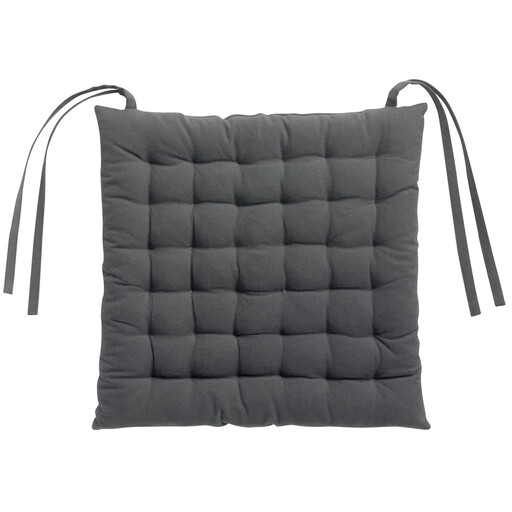
Why we chose it: The perfect choice for those who want to blend contemporary aesthetics, comfort, and eco-consciousness, whether for the dining room, kitchen, or patio.
Its 36-point tufting prevents the filling from collapsing, a typical flaw of entry-level models. Its standard 38 x 38 cm size is clearly stated to prevent any mistakes.
Made from recycled cotton, it checks the sustainability box without sacrificing comfort. Its indoor/outdoor versatility makes it a practical everyday ally.
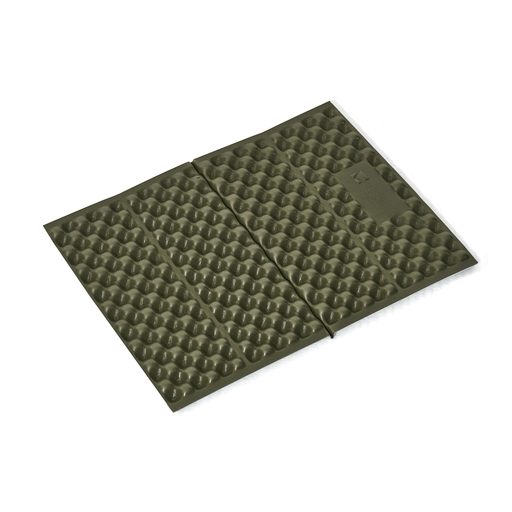
Why we chose it: Designed for those who need on-the-go comfort while hiking, fishing, or picnicking. Forget decor: this is all about pure efficiency.
Its purpose isn't aesthetics, but performance. It sidesteps the "looks good, does nothing" trap by focusing entirely on thermal insulation and extreme portability.
Ultra-light (around 45g) and foldable, it slips into any backpack. Its XPE foam provides excellent insulation from damp and cold ground.
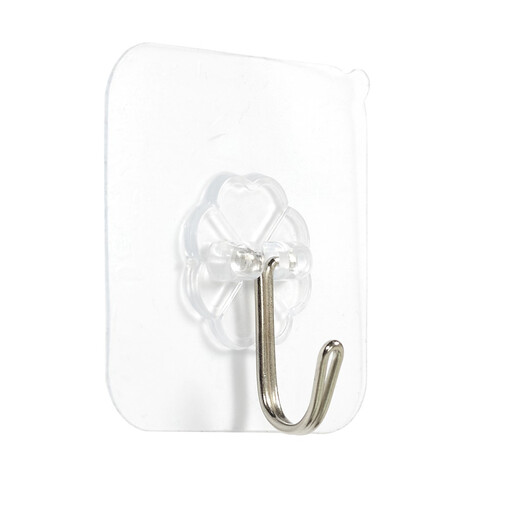
Why we chose it: The clever accessory for storing your chair pads (especially outdoor models) or other everyday items, without drilling holes.
It tackles an often-overlooked problem: storage. No more chair pads lying around collecting dust or moisture. This extends their lifespan.
Supporting up to 5 kg, each hook can be removed and repositioned without leaving a trace, offering maximum organizational flexibility.
Explore our full selection of products that meet our quality criteria and current standards.
The simplest and most reliable solution: ties. Most quality chair pads come with them, allowing you to secure them firmly to the chair's posts. For solid seats (plastic, etc.) without posts, you can use a piece of non-slip rug underlay cut to size, or even adhesive silicone strips applied to the bottom of the cushion.
It all depends on three factors: the quality of the fabric, its exposure to the elements, and how you care for it. A good model with UV-treated, water-repellent fabric will last for several seasons if you bring it indoors during rain. Conversely, an entry-level cushion left outside permanently will show signs of wear (fading, mildew) in just a few months.
First thing's first: check the label. Some pads have removable covers, which can usually be machine washed at a low temperature. For models with non-removable covers, machine washing is strongly discouraged as it can deform the filling. It's better to opt for spot cleaning with a sponge, warm water, and a mild soap. Always air dry, but keep it out of direct sunlight to preserve the colors.