
Livraison le jour même ou le lendemain

Qualité garantie

Débloquez vos offres de bienvenue: Livraison GRATUITE | Jusqu'à -80 % | 30 jours d'essai gratuits à JoyPlus
Téléchargez l'application
Waking up with a stiff neck or shoulder pain? It's an ordeal that can quickly ruin your day. The culprit is often easy to spot: unsuitable bedding, and more specifically, a pillow that isn't right for you. This is where the cervical pillow comes in, specially designed to cradle the curve of your neck and ensure perfect spinal alignment.
But with an overwhelming number of options on the market, it's easy to get lost. Memory foam, adjustable loft, ergonomic shape... This guide is here to help you cut through the noise and make the right choice based on your body type and sleeping habits.
Choosing a pillow is a very personal decision. To ensure you make the right choice, here are the three essential criteria to scrutinise.
An ergonomic pillow is recognisable by its characteristic, often wave-like, shape. It's designed to perfectly conform to the curvature of the neck and keep the head aligned with the spine. The result: muscle tension built up during the day can finally be released.
The star of these pillows is memory foam. This thermo-sensitive material softens with body heat to precisely mould to the contours of your head and neck. It provides tailored support without any pressure points, making it a powerful ally for relieving neck pain.
The loft (height) of the pillow is crucial. It's what ensures your head remains in line with your spine.
The good news? Some models with adjustable loft allow you to add or remove filling. It's the most versatile solution for finding your ideal comfort with pinpoint accuracy.
Do you tend to sleep hot? A thermoregulating pillow can literally transform your nights. Thanks to technical fabrics or open-cell foams, these models promote air circulation and wick away moisture for a lasting cool sensation.
Finally, don't overlook hygiene. A good pillow should be easy to maintain. Check that it has a removable, machine-washable cover, which is a sign of durability. Hypoallergenic materials are also a real bonus for allergy sufferers or those with sensitivities.
To guide you, we've put several models to the test that stand out for their design and performance.
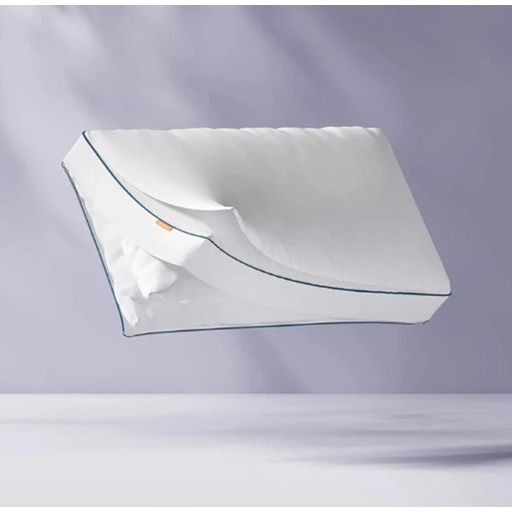
Key feature: This model goes all-in on temperature management. Its thermoregulating cover promises a lasting cool feeling, a major asset for those who tend to overheat at night.
Pros:
Who is it for? For anyone who dreams of cooler nights and loves being able to adjust their pillow with pinpoint accuracy.
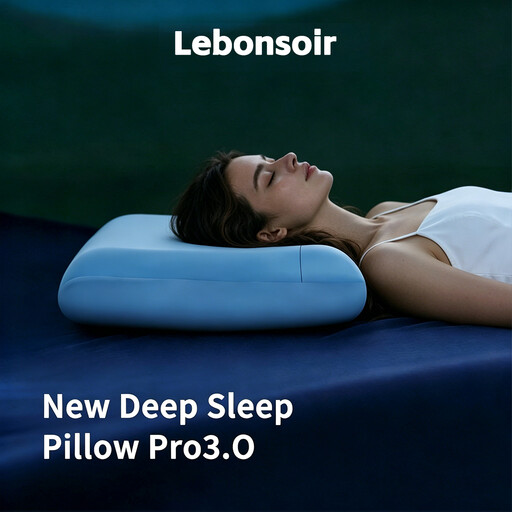
Key feature: A structured design with three layers of foam for precision support. It combines a soft top layer, a supportive core to prevent sinking, and a firm base for perfect stability.
Pros:
Who is it for? For back or side sleepers looking for a truly structured orthopaedic pillow to finally put an end to neck and shoulder pain.
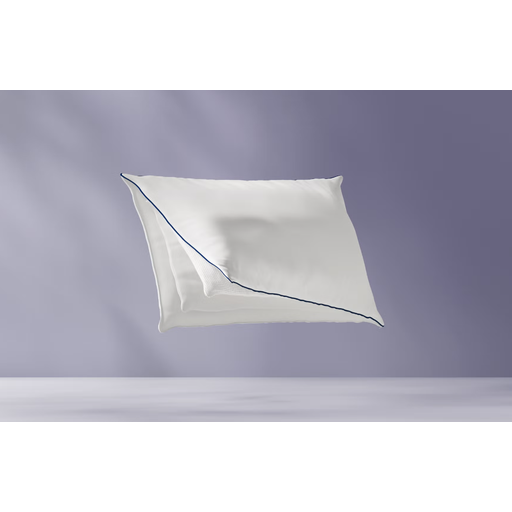
Key feature: Versatility. With its standard rectangular format and fully adjustable filling, it's the ultimate all-rounder, able to adapt to the vast majority of sleepers.
Pros:
Who is it for? The smart choice for the undecided or for those who toss and turn at night. Its comfort adjusts on demand—you can't go wrong.
Your neck's well-being isn't just about nighttime. To maintain good posture throughout the day, whether in the office or the living room, proper seating is just as crucial.
Discover our selection of Stool & Chair Cushions for optimal comfort from morning to night.
It all depends on your sleeping position and body type. Simply put: side sleepers need a thicker pillow, back sleepers need a medium loft, and stomach sleepers need a very flat pillow. The best solution remains a model with adjustable loft, which allows you to find the perfect comfort by gradually adjusting the filling.
That's a stubborn myth, but it's no longer really true. While early memory foams did tend to retain heat, manufacturers have made huge progress. Today, many models incorporate cooling gels, perforations for ventilation, or thermoregulating covers to ensure much cooler nights.
It varies depending on the materials and how you care for it, but it's generally recommended to replace it every 2 to 3 years to maintain optimal support. The tell-tale signs? It's sagging, has developed lumps, or you simply feel it no longer supports you as well as it did on day one. That's when it's time for a change.