
Livraison le jour même ou le lendemain

Qualité garantie

Débloquez vos offres de bienvenue: Livraison GRATUITE | Jusqu'à -80 % | 30 jours d'essai gratuits à JoyPlus
Téléchargez l'application
Waking up with a stiff neck or tense shoulders is a nightmare that can ruin your entire day. Often, the culprit is easy to spot: your pillow. This is where the cervical pillow, also known as an ergonomic pillow, comes in. Its mission: to provide tailored support for your neck and ensure perfect spinal alignment while you sleep.
But with an overwhelming number of options on the market, how do you find the right one? This guide is here to demystify the market and give you the keys to choosing the perfect pillow for your needs, without getting lost in marketing jargon.
Choosing a pillow is a highly personal decision. It depends on your body type, your favourite sleeping position, and, of course, your comfort preferences. To make things clearer, let's focus on three essential criteria.
The pillow's material is at the heart of its effectiveness. It's what defines the level of comfort and support.
Most ergonomic pillows have a signature wave shape: a higher curve to support the neck and a dip to cradle the head. Choosing the right height for this wave is crucial and depends directly on your preferred sleeping position.
This is the ultimate goal of a cervical pillow: to ensure neutral spinal alignment. Picture a straight line running from the top of your head all the way down your back. Your pillow must help you maintain this perfect axis, regardless of your position. Poor alignment is the number one cause of cervical pain and morning stiffness.
To put theory into practice, here is our selection of three pillows that caught our eye. Each one is designed for a specific user profile.
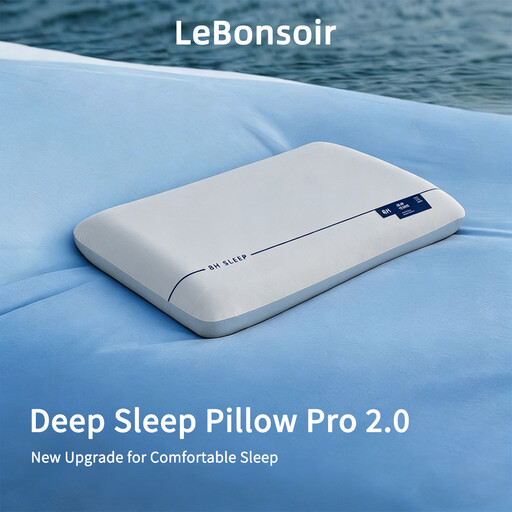
Why it stands out: This is the ideal entry point into the world of ergonomic pillows. Its slow-rebound memory foam offers a perfect balance between firmness and soft comfort. We appreciate its smart design, featuring a central dip to help clear airways and a cervical contour that follows the natural curve of the neck and shoulders.
Key features:
Who is it for?: It's the perfect choice for those new to memory foam pillows and for soothing mild to moderate pain. It is particularly well-suited for office workers, students, and seniors.
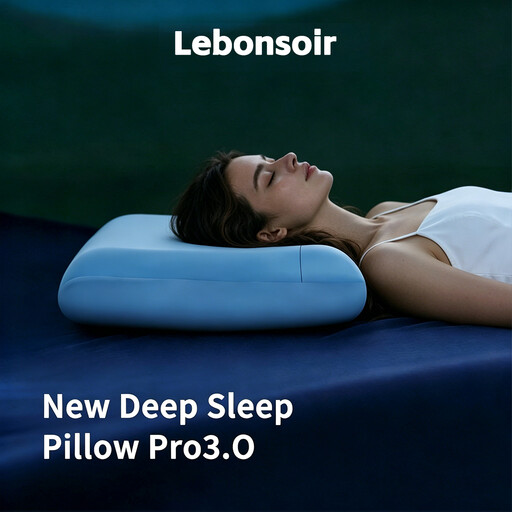
Why it stands out: This is a step up, with the Pro 3.0 version featuring a sophisticated 3-layer foam construction. The first layer gently cradles the head, the second prevents sinking, and the third provides a stable, durable base. This complex architecture is designed for absolute comfort. Another key feature: its technical, highly breathable cover, which regulates temperature for sleep without heat-related micro-awakenings.
Key features:
Who is it for?: For demanding sleepers looking for high-performance support, and for anyone put off by the heat of classic memory foam pillows.
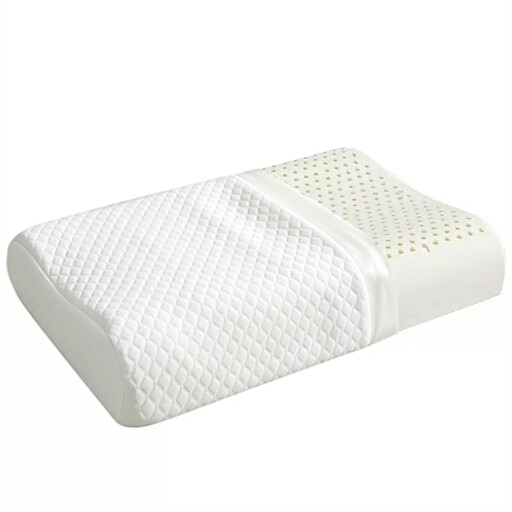
Why it stands out: A change in technology with this high-resilience latex model. Unlike memory foam which absorbs impact, latex offers dynamic support and an immediate bounce-back. It instantly returns to its shape, and its micro-perforated structure ensures natural ventilation, effectively wicking away heat and moisture.
Key features:
Who is it for?: For those who prefer firm, responsive support over the "cocooning" effect of memory foam, and for people who often get too hot at night.
Restorative sleep is the key to well-being, but comfort shouldn't stop at your bedroom door. As warmer weather returns, your garden or patio becomes a living space in its own right. Is your outdoor furniture looking a bit tired? Sometimes, all it takes is changing the cushions to give it a new lease of life and transform your outdoor space.
Discover our range of replacement cushions for vintage patio furniture and make the most of your garden or patio.
It's generally recommended to replace your pillow every 2 to 3 years. Over time, memory foam can lose its density and, therefore, its effectiveness. High-quality latex models are often more durable. The best indicator is your own body: if the pillow is visibly sagging or your pain returns, it's time for a replacement.
Lie down in your favourite sleeping position. Your head and neck should be perfectly aligned with your spine. If your head tilts up or down, the height is wrong. For side sleepers, the pillow should fill the space between the mattress and your neck without compressing your shoulder.
Absolutely not! The memory foam block cannot withstand water or a washing machine, as this would destroy its cellular structure. Only the cover, which usually has a zip, can be washed. To clean the foam itself, simply dab the stained area with a damp cloth and a little mild soap. Then, let it air-dry completely, and most importantly, keep it away from any direct heat source like a radiator.