Waking up with a stiff neck or suffering from persistent cervical pain can quickly ruin your nights. The culprit is often easy to identify?: unsuitable bedding, and more specifically, the pillow. Proper spinal alignment during sleep is essential, and that is precisely the mission of a cervical pillow.
Faced with a plethora of options, it can be difficult to know where to start. To help you see more clearly, this guide breaks down the essential criteria (material, shape, sleeping position) for choosing the model that will truly transform the quality of your rest.
By our product experts
How to Choose Your Cervical Pillow?
Before diving into our selection, let's review the key points to make the right choice and find the model that will offer impeccable neck support.
1. The Material: Memory Foam or Latex?
The choice of material is crucial for comfort and the level of support.
- The memory foam pillow?: its thermo-sensitive viscoelastic foam reacts to your body's heat and pressure to perfectly conform to the contours of your head and neck. This results in contouring support that limits pressure points. It is the preferred option for customised comfort.
- The latex pillow?: whether natural or synthetic, latex is renowned for its excellent resilience and elasticity. It provides more dynamic and responsive support than memory foam. Naturally hypoallergenic and highly breathable, it is the perfect ally for those who tend to sleep hot.
2. The Shape: Tailored to Your Sleeping Position
The ergonomic pillow comes in several shapes, each designed for one or more sleeping positions.
- "Wave" shape?: with its two height levels, it is ideal for cradling the neck, whether you sleep on your back or your side. The higher part is specifically designed for side sleeping, as it perfectly fills the space between the shoulder and the neck.
- "Butterfly" shape?: its side cutouts allow for comfortable arm positioning, making it very versatile for side, back, or even stomach sleepers.
- Classic rectangular shape?: an ergonomic pillow can also adopt a traditional shape, but with an internal design engineered to guarantee optimal support.
3. The Height and Firmness
The ideal height of your pillow depends on your body type (especially your shoulder width) and your sleeping position. The goal is simple?: to keep your spine in a perfectly neutral alignment.
- For side sleeping?: opt for a fairly high and firm pillow to fill the space between your ear and the mattress.
- For back sleeping?: a medium-height pillow is recommended to support the natural curve of the neck without pushing the head forward.
- For stomach sleeping?: this position is often discouraged for the cervical spine. If it's your habit, a very thin pillow, or even no pillow at all, is preferable.
Our Cervical Pillow Recommendations
After the theory, comes the practice. Here are the models that caught our attention for their design, materials, and ability to meet a variety of needs.
JORDAN&JUDY Butterfly-Shaped Memory Foam Pillow
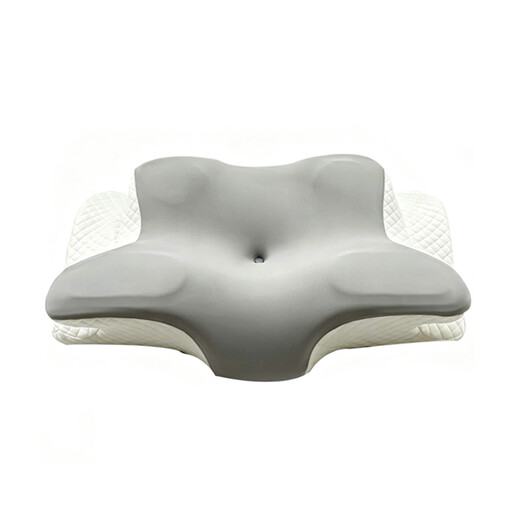
- Why it stands out?: its butterfly shape was designed to adapt to all sleeping positions. Its slow-rebound memory foam offers gradual cushioning and contouring support for the head and neck.
- Advantages?:
- Versatile design for back and side sleepers.
- Side cutouts for comfortable arm placement.
- Form-contouring foam to limit pressure points.
- Who is it for??: for people who change position often during the night and are looking for adaptable, contouring support.
JORDAN&JUDY Reverse Traction Pillow
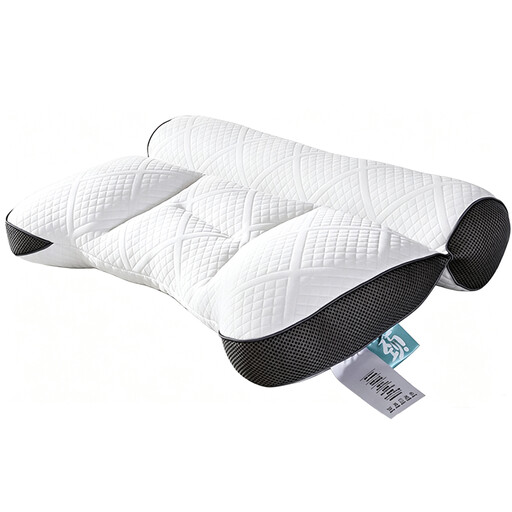
- Why it stands out?: this model is a game-changer with a design focused on gentle cervical traction. Its fibre fill is engineered to provide consistent support that doesn't flatten over time.
- Advantages?:
- Internal structure designed for targeted neck support.
- Fibre fill that retains its shape and loft.
- An interesting alternative to 100% foam pillows.
- Who is it for??: for users seeking firm, specific support for the cervical area who prefer the feel of a fibre fill.
LEBONSOIR Ergonomic Cervical Support Pillow
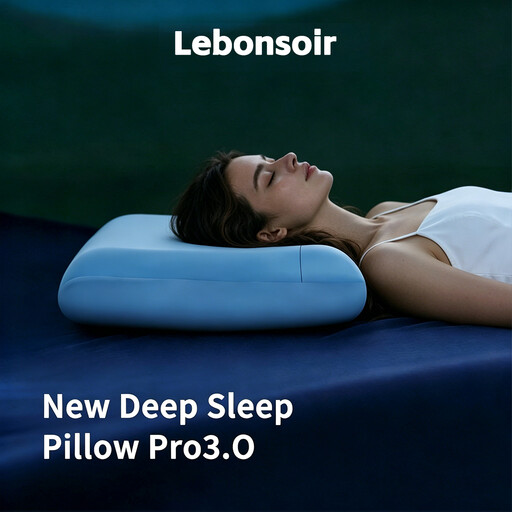
- Why it stands out?: its secret weapon?: a unique 3-layer foam construction that combines a soft top layer, an anti-sink support layer, and a stabilising base. The perfect balance between comfort and support.
- Advantages?:
- 3-layer structure for progressive and balanced support.
- Breathable cover that helps regulate temperature.
- Cervical contour and central depression for optimal alignment on your back and side.
- Who is it for??: for sleepers looking for advanced support technology, combining the softness of memory foam with the firmness of a stabilising base.
JORDAN&JUDY Latex Pillow
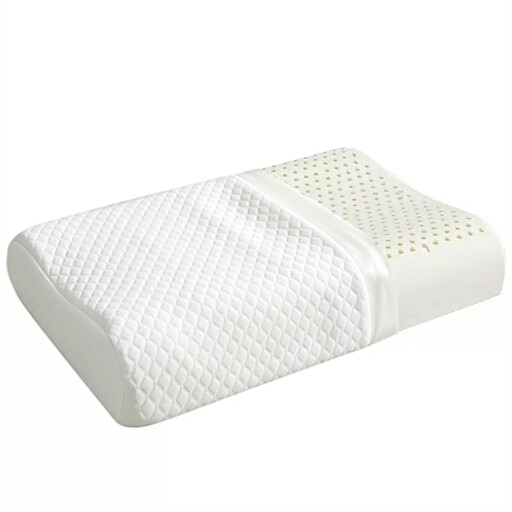
- Why it stands out?: made of latex, this pillow is distinguished by its high resilience?: it instantly springs back into shape. It provides firmer, more responsive support than memory foam.
- Advantages?:
- Reactive and elastic support.
- Latex is naturally perforated, promoting excellent air circulation.
- Ergonomic design for optimal neck support.
- Who is it for??: for people who prefer firmer, more dynamic support, as well as those who tend to sleep hot.
Beyond the Bedroom: Don't Forget Your Outdoor Space
Comfort doesn't stop at the bedroom door. Simple solutions exist to protect and enhance your outdoor furniture.
For example, discover our selection of waterproof round outdoor furniture pads, perfect for protecting your furniture from the elements while adding more comfortable seating.
Frequently Asked Questions About Cervical Pillows
How do I know if a cervical pillow is the right height?
The best indicator is your spinal alignment. When lying on your side, your spine (from your neck to your pelvis) should form a straight line. On your back, your head should neither be tilted back nor pushed forward. Your chin should remain roughly parallel to your chest.
How long does it take to get used to an ergonomic pillow?
It generally takes an adjustment period of a few days to two weeks. Your body, which may be used to a less-than-ideal sleeping posture, needs time to adapt to this new alignment. You might feel slight discomfort at first, but it will disappear as your muscles relax into this healthier position.
What is the lifespan of a memory foam pillow?
It is generally recommended to replace a memory foam pillow every 2 to 3 years. There are tell-tale signs of wear?: loss of support, permanent indentations, or visible sagging. If you notice these, it's time to change your pillow to ensure optimal support.


