
Livraison le jour même ou le lendemain

Qualité garantie

Débloquez vos offres de bienvenue: Livraison GRATUITE | Jusqu'à -80 % | 30 jours d'essai gratuits à JoyPlus
Téléchargez l'application
By the Joybuy Team, Our Product Experts
Waking up with a stiff neck, or feeling tension after a long day in front of the screen... Sound familiar? The culprit is often easy to identify: unsuitable bedding, and more specifically, a pillow that doesn't properly support your cervical spine. But with so many models on the market, how do you make the right choice?
At Joybuy, our mission is to clear the path for you. This guide is designed to get straight to the point, giving you all the keys to choosing the cervical pillow that's truly right for you—without the marketing fluff.
Choosing an ergonomic pillow isn't a matter of taste, but of compatibility with your body and sleeping habits. To ensure you make the right decision, here are the essential criteria to consider.
The choice of material is crucial: it defines the comfort, type of support, and overall feel.
The famous wave shape of an orthopaedic pillow isn't just for looks. Its design is purely functional:
The goal is simple: to maintain a healthy posture all night long to prevent and relieve muscle tension.
This is the factor that will determine the ideal height and firmness of your pillow.
To put theory into practice, here are three models that caught our eye for their design and performance.

Why It Stands Out This model is a tried-and-true choice, featuring a proven ergonomic design and certified materials. Its wave shape is designed to follow the natural curve of the neck, while its viscoelastic foam is perforated with ventilation channels to better regulate temperature and prevent overheating at night.
Key Features
Who Is It For? Those looking for a reliable first ergonomic pillow that offers an excellent balance of support and comfort, and for whom material certification is an important factor.
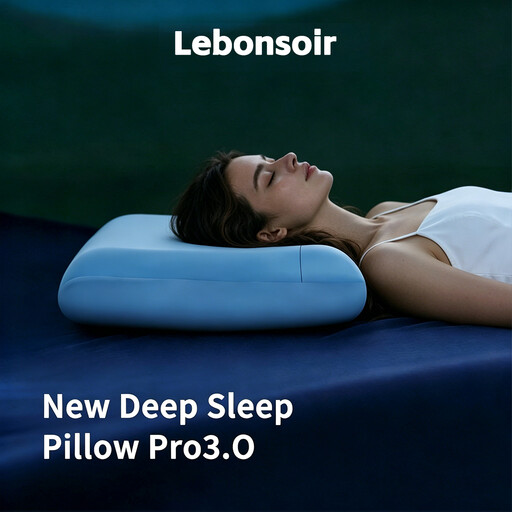
Why It Stands Out Its unique feature? A stacked 3-layer foam structure. The goal is to offer progressive comfort: a soft top layer for initial comfort, a supportive core to prevent sinking, and a firm base for stability.
Key Features
Who Is It For? Those looking for more technical support and progressive firmness. Its versatile design makes it a compelling option for most sleepers.
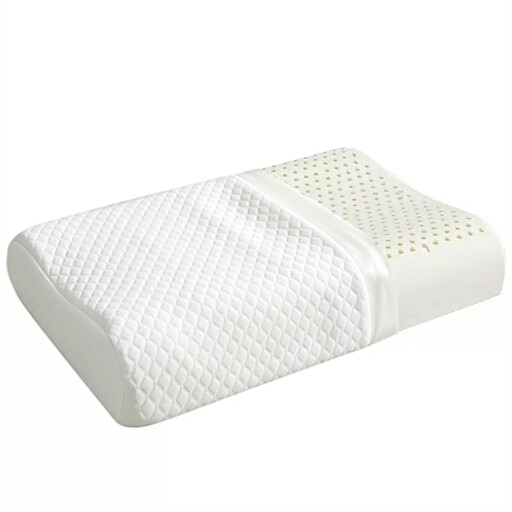
Why It Stands Out This model takes a different approach, betting everything on latex. This material gives it high resilience (the ability to instantly spring back to its shape), offering much more dynamic support.
Key Features
Who Is It For? For sleepers who dislike the "molding" effect of memory foam and prefer firmer support. It's also the choice for those who prioritise the natural properties of latex (breathability, hypoallergenic).
Wellness doesn't stop at the bedroom door. If your quest for support extends to your hours at the office or relaxing on the sofa, take a look at our selection of orthopaedic sofa cushions. There you'll find solutions designed to improve your posture and comfort throughout the day.
A classic pillow is usually rectangular and has a uniform thickness. In contrast, a cervical, or ergonomic, pillow has a specific shape—most often a wave—designed to follow the natural curve of the neck. Its purpose is to maintain perfect spinal alignment during sleep, something a standard pillow struggles to provide.
It's very simple: with a wave-shaped pillow, the higher side should always be placed under your neck. Your head will then rest naturally in the central dip. Whether you sleep on your back or your side, your spine should form a straight line from your neck to your pelvis.
Yes, and it's completely normal. Expect an adjustment period of a few nights to two weeks to get used to a new memory foam pillow. Since the support is very different from that of a classic pillow, your body needs a little time to adapt to this new sleeping posture.