
Livraison le jour même ou le lendemain

Qualité garantie

Débloquez vos offres de bienvenue: Livraison GRATUITE | Jusqu'à -80 % | 30 jours d'essai gratuits à JoyPlus
Téléchargez l'application
Waking up with neck pain or tense shoulders is often a sign that it's time to rethink your bedding, starting with your pillow. Far from being a mere accessory, a cervical ergonomic pillow is an essential ally for ensuring quality sleep and proper spinal alignment. But with so many options on the market, how do you choose? This guide breaks down the essential criteria for selecting the right model for your needs, cutting through the marketing jargon.
Before diving into our selection, here are the key points to consider to make the right choice.
The core of the pillow determines its comfort and level of support.
The shape of the pillow must ensure optimal spinal alignment. Wave-shaped models, with two different heights, are the most common and allow for proper neck support. Others, like butterfly-shaped pillows, offer spaces to position your arms, a configuration particularly appreciated by side or stomach sleepers.
The choice of height depends on your primary sleeping position:
Often overlooked, a good cover directly contributes to the quality of your sleep. Prioritise breathable, moisture-wicking materials. A removable and machine-washable cover is an essential feature for ensuring impeccable hygiene.
Our team has scoured the market to find standout products. Here is a selection designed to meet the needs of different types of sleepers.
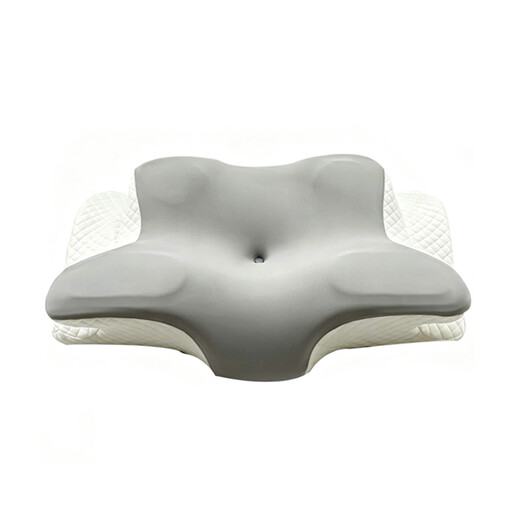
Why it stands out: Its unique butterfly design was conceived to offer versatile support, whether you sleep on your back, side, or stomach. The side cutouts allow you to comfortably position your arms.
Pros:
Who is it for? Ideal for active sleepers looking for a pillow that can adapt to their changes in position without ever losing support.
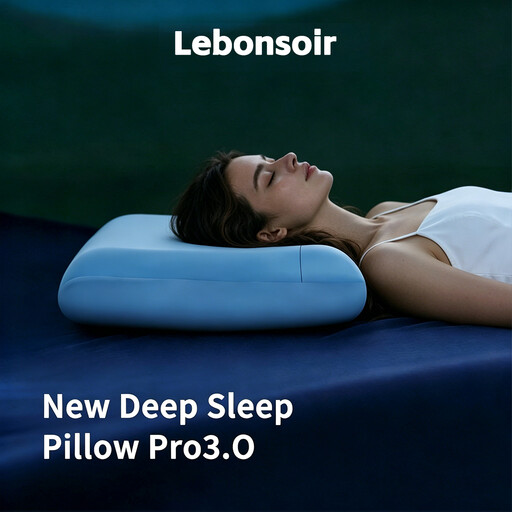
Why it stands out: This model features a three-layer foam structure, designed to offer a perfect balance between soft cushioning and firm support, and to prevent your head from sinking in too deeply.
Pros:
Who is it for? For those seeking a technical solution to relieve their neck pain and who want firm yet comfortable support, suitable for all sleeping positions.
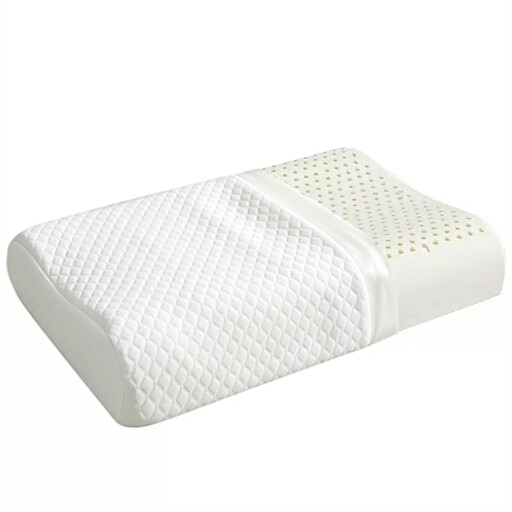
Why it stands out: Made of latex, this pillow is an excellent alternative to memory foam. Its high resilience offers more dynamic support, and its open-cell structure ensures natural ventilation.
Pros:
Who is it for? Perfect for sleepers who often get hot at night and those who prefer a more responsive feel over the cradling effect of memory foam.
While a good pillow is the key to a good night's sleep, daytime comfort is just as essential. For those who spend long hours sitting, whether at the office or at home, proper support is crucial. Take a look at our selection of velvet chair cushions to improve your posture and well-being throughout the day.
These terms are often used interchangeably. An "ergonomic" pillow is designed to optimise comfort by adapting to your body shape. An orthopaedic pillow has a more medical dimension, aiming to correct or prevent postural problems. Ultimately, the goal is the same: to ensure perfect spinal alignment.
A memory foam pillow is ideal if you're looking for support that perfectly conforms to your contours to limit pressure points. If you tend to move a lot or prefer a more responsive feel and better ventilation, a latex pillow might be a better option.
An adjustment period of a few nights to a week is often necessary. Your body, and particularly your neck and shoulders, needs to get used to this new type of support. A little patience is required: the goal is to achieve long-term improvement in your sleeping posture.