
Livraison le jour même ou le lendemain

Qualité garantie

Débloquez vos offres de bienvenue: Livraison GRATUITE | Jusqu'à -80 % | 30 jours d'essai gratuits à JoyPlus
Téléchargez l'application
Whether you ride a motorcycle, a scooter, or an electric kick scooter, one thing is certain?: choosing a helmet is anything but trivial. It's your most important piece of safety gear on the road. Yet, between the maze of available models and the arrival of the new ECE 22.06 standard, which is changing the game for protection, it's easy to get lost. Our mission?? To guide you step-by-step in finding the certified motorcycle helmet that perfectly matches your riding style, and to present our selection of the must-have models for 2026.
Before diving into specific models, it's helpful to understand the three pillars of a good choice?: certification, helmet type, and comfort.
This is the non-negotiable criterion. To be sold and used in Europe, a helmet must carry a certification. Since 2024, the new ECE 22.06 standard has established itself as the benchmark for all new helmets. It replaces the old 22.05 with a far more stringent testing protocol?:
Choosing an ECE 22.06 certified helmet means ensuring you have the highest level of protection currently available. To verify this, check the label sewn onto the chin strap?: it must display the letter "E" (for Europe), a number (the country of certification), and a serial number beginning with "06".
Here, it all depends on your riding style and the level of protection you're looking for.
An uncomfortable helmet will just gather dust. To make it feel like a second skin, several points should be checked?:
Here is a selection of helmets that meet different needs, with an emphasis on safety and practical features.
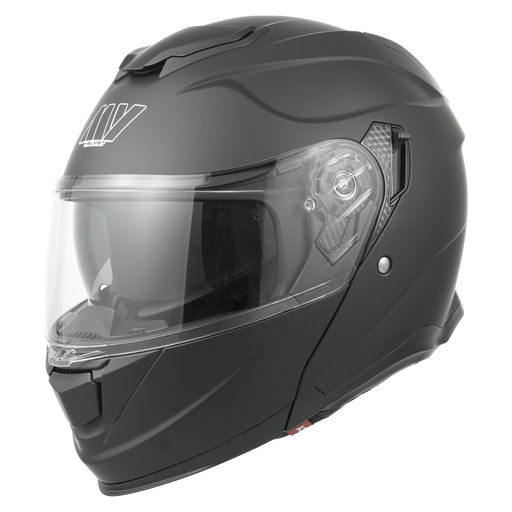
The Editor's Verdict?: This model successfully combines the flexibility of a modular helmet with the maximum safety level of the ECE 22.06 standard. It's the ideal compromise for mixed use, equally at home in the city and on the open road.
Its Strong Points?:
Who is it for? This unisex motorcycle helmet is aimed at motorcycle and scooter riders who want the versatility of a modular helmet without sacrificing safety. Perfect for daily commutes and weekend rides.
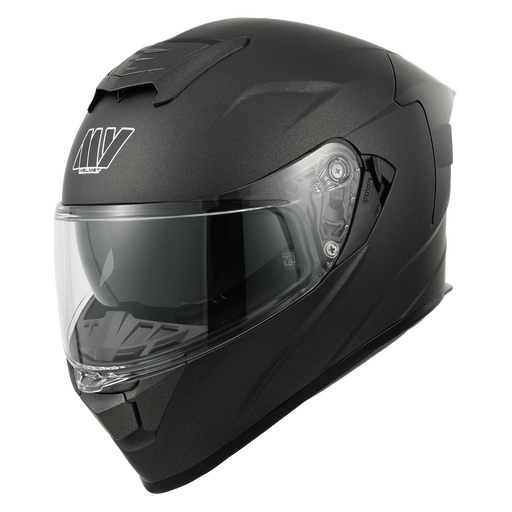
The Editor's Verdict?: This full-face helmet is all about absolute protection. Certified ECE 22.06, it was designed for those who put safety above all else, without neglecting comfort.
Its Strong Points?:
Who is it for? The logical choice for riders who frequently travel on motorways or demand the highest level of safety. It will also suit maxi-scooter users who want far superior protection than a jet helmet can offer.
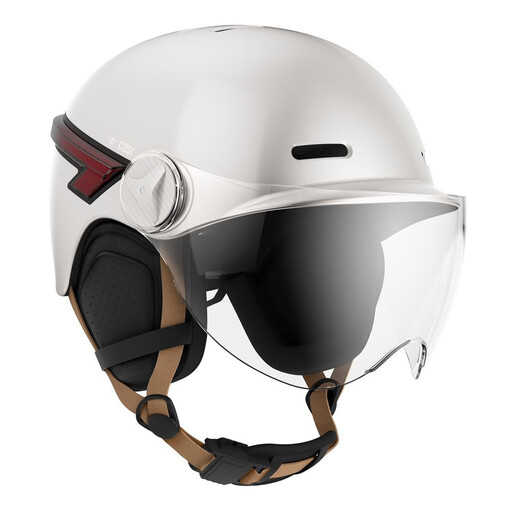
The Editor's Verdict?: Specifically designed for new forms of urban mobility, this helmet focuses entirely on active safety. Its mission is not just to protect you during a fall, but to help prevent one by making you perfectly visible.
Its Strong Points?:
Who is it for? This luminous helmet for kick scooters and bikes is the perfect ally for users of Personal Electric Transportation Devices like electric kick scooters, e-bikes, or electric unicycles. It's essential for anyone navigating the city, day or night. Please note: this helmet is certified for micromobility (EN1078 standard) and is absolutely not approved for motorcycle or scooter use.
Style doesn't stop when you turn off the ignition. To perfect your look after setting your helmet down, why not explore other types of headwear?
Discover our selection of vintage fashion hats for men and find the accessory that defines your style.
Manufacturers are unanimous?: a helmet should be replaced every 5 years, even if it hasn't sustained an impact. Over time, the materials it's made of (polystyrene, fibres, resins) lose their effectiveness due to UV rays, temperature changes, and even sweat. And the golden rule?: any helmet that has suffered an impact, even a simple drop from the seat, must be replaced immediately. Internal damage is often invisible.
Since January 2024, all new helmets brought to market must be ECE 22.06 certified. You can still legally use a helmet compliant with the older 22.05 standard, and retailers can sell off their existing stock. However, when buying a new helmet in 2026, it would be unwise not to choose a 22.06 model, which guarantees far superior protection.
Take a tape measure and measure your head circumference, passing it about 2.5?cm (1 inch) above your eyebrows and around the widest part of the back of your head. Then, compare this measurement with the manufacturer's size guide. The proper fit? The helmet should feel snug without causing pain, not move when you shake your head from side to side, and the cheek pads should lightly compress your cheeks. This is the sign it won't fly off when you need it most.