
Livraison le jour même ou le lendemain

Qualité garantie

Débloquez vos offres de bienvenue: Livraison GRATUITE | Jusqu'à -80 % | 30 jours d'essai gratuits à JoyPlus
Téléchargez l'application
Between chocolate cereals for children, wholegrain cereal mixes and ready-to-eat instant porridge, there is no shortage of choice in France. But an attractive box will not necessarily meet the needs of the whole family. Taste, ingredients, format and storage conditions are all worth checking before you reach the checkout.
This guide from the Joybuy Product Recommendation Officer helps you compare different products without simply relying on the claims displayed on the packaging.
The term “wholegrain cereals” means that wholegrain flour or grains are included in the product. However, on its own, it says nothing about the amount of sugar. Some chocolate cereals also contain sugar, glucose syrup or a sweet filling. Always check the nutrition table, both per 100 g and per serving.
Cereals and porridges may contain wheat, oats, barley, milk, soya, peanuts or nuts. Gluten is particularly common in wholegrain porridges and puffed cereals. In France, allergens must be clearly highlighted in the ingredients list. However, it is still essential to check the label for each recipe, especially when buying a pack containing several varieties.
A 620 g bag can be a good option for a family that eats cereal regularly. However, it may become less practical after opening if the packaging does not reseal properly. By contrast, an Asian porridge sold in a pack of 12 cans makes it easy to build up a supply, provided you have enough storage space. The most suitable format therefore depends on how often it will be eaten, the number of people and the shelf life stated on the packaging.
To compare two products, start with the values given per 100 g. In particular, look at the following:
For example, Nestlé Chocapic cereal contains 35 % wholegrain cereal flour and 22 g of sugar per 100 g, according to the information provided for this product. Kellogg’s Trésor chocolate and hazelnut cereal, meanwhile, contains 26 g of sugar per 100 g and includes hazelnuts. These figures make it possible to compare the recipes on a concrete basis, without drawing any particular conclusions about their effects on health.
A quick breakfast can come in several forms:
The 280 g cans are generally designed to be eaten immediately after opening. Never place a metal can directly in the microwave : pour its contents into a microwave-safe container and follow the manufacturer’s instructions.
Store cereal bags in a cool, dry place away from light. After opening, an airtight container helps preserve their texture and prevents them from going soft. For canned products, check that the can is intact, check the best-before date and follow the storage conditions stated on the label.
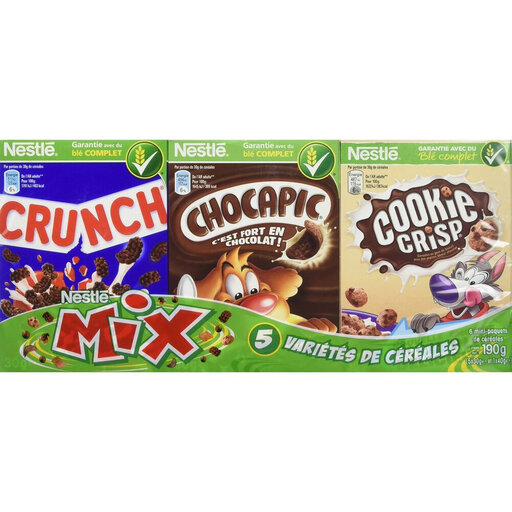
Why this choice suits this profile : This format includes six individual portions of Nestlé cereal. It lets you try several flavours without immediately committing to a large pack.
The separate portions prevent a large bag from being left open for too long and make it easier to control the amount served.
Six advertised varieties, individual portions and no-cook preparation. The product contains gluten and may contain milk, peanuts and nuts.
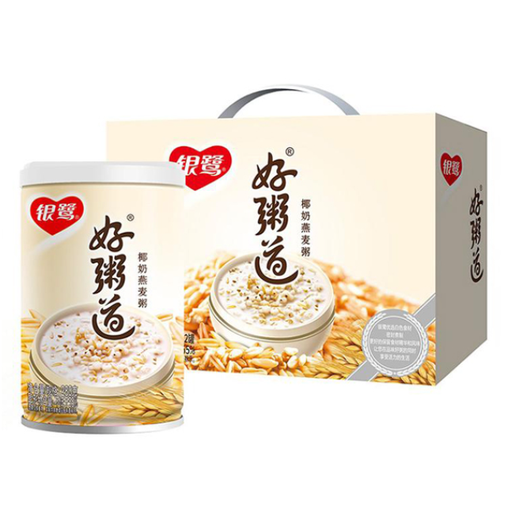
Why this choice suits this profile : This recipe combines oats, coconut syrup and several cereals in a pack of 12 cans. It is designed for fans of Asian flavours who want to build up a supply.
The multipack of cans and ready-to-eat format mean you do not need to buy several ingredients separately to prepare porridge.
Pack of 12 280 g cans, suitable for eating hot or cold, with 20 % oats stated in the recipe. Allergens : gluten, peanuts and milk.
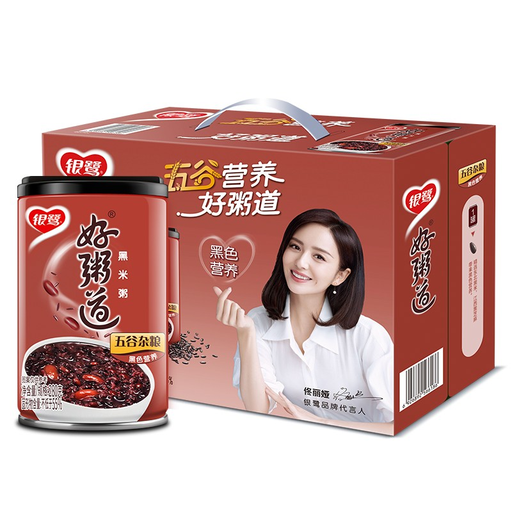
Why this choice suits this profile : This pack of 12 cans is suitable for households that want to keep a quick breakfast, snack or light meal to hand at all times, without complicated preparation.
The canned format means you do not have to rely on a bag whose texture could quickly deteriorate after opening.
Advertised blend of black rice, sweetcorn, barley and other cereals, with no preparation required. The product contains gluten, particularly from barley and oats.
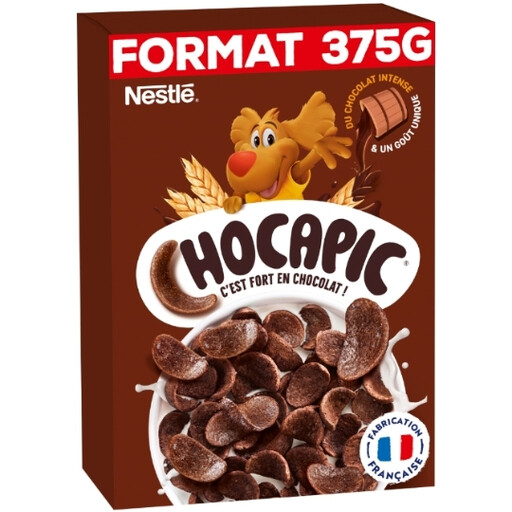
Why this choice suits this profile : This cocoa recipe can be enjoyed with cold milk or yoghurt. It fits easily into the routine of a household that enjoys familiar chocolate flavours.
The proportion of wholegrain flour is stated on the product page. This means you can check the ingredients rather than relying solely on the chocolate appearance of the box.
Advertised wholegrain cereal flour content of 35 %, low-fat cocoa at 6.9 %, plus added vitamins and minerals. Contains gluten and may contain milk and nuts.
We have selected a complete, real-time updated list of products that meet these strict selection criteria, as well as European safety requirements.
Ready-to-serve cereals and canned porridges require little or no preparation. Individual portions are particularly convenient at work, while travelling or during a short stay. For everyday use at home, a large bag or multipack of cans can reduce the need to restock.
It depends on the information on the label and the storage conditions. Reseal the bag carefully and store it in a dry place. If necessary, transfer the cereal to an airtight container. For canned products, consume the contents immediately after opening and do not place the opened can in the fridge.
When choosing chocolate cereal for children, compare the ingredients, sugar content, serving size and allergens. They can form part of the family’s eating habits, provided you follow the recommendations on the packaging and take each child’s individual needs into account.