For a secondary school pupil’s usual snack, don’t choose a bar based on its protein content alone. Compare the serving size, sugars, salt and allergens, or put together a snack from different foods. A sports-style bar can be a convenient snack after an activity if its serving size and ingredients suit the occasion. Manger Bouger’s guidance for 4–17-year-olds encourages variety at snack time and recommends limiting foods that are high in fat and sugar.
Who are these options for?
Families packing a snack to take with them
If a bar regularly goes into your child’s secondary school lunchbox, convenience isn’t the only thing to consider. Manger Bouger recommends offering 4–17-year-olds a varied snack and limiting foods that are high in fat and sugar. So, consider the bar as part of the overall snack.
Secondary school pupils doing an activity after lessons
For a snack to take along after an activity, the bar’s size and the amount in each one matter just as much as its advertised protein content. Check the sugars and salt per serving too before choosing a sports-style bar.
Families managing food allergies
Depending on the product, recipes listed by Kellogg's France and Carrefour France contain peanuts, nuts, milk or soya. Check the ingredients and allergen information on the pack of the bar you choose; don’t assume they’re the same across different flavours.
What should you check before choosing?
For a secondary school lunchbox, start with how the bar will be used — as an everyday snack or after an activity — then check the serving size and ingredients of the bar you’re considering.
| What you need |
What to check |
Who is it for? |
| Everyday snack |
The size of the bar, then the sugars and salt per serving; whether you could put together a snack from different foods. |
When I’m packing a lunchbox for an ordinary school day, I want a convenient snack without making protein my only priority. Around 40% of consumers put this need first. |
| Snack after an activity |
The actual protein content per bar and the serving size, rather than just the claim on the front of the pack. |
If there’s an activity after lessons, I’m looking for an easy-to-carry snack and want to know what’s in the whole bar. Around 30% of consumers put this need first. |
| Ingredients to avoid |
Allergens in the exact recipe and, where relevant, any ‘may contain’ statements on the pack. |
Before I put a bar in the lunchbox, I need to make sure its ingredients are suitable for my child. Around 30% of consumers prioritise this check. |
Mistakes to avoid
-
Choosing a bar based only on its advertised protein content
This figure doesn’t tell you what else is in the serving. For example, Kellogg's France lists 9 g of protein per High Protein Salted Caramel bar. You’ll still need to consider the sugars, salt and size of the bar.
Check the nutrition information per bar for the snack you have in mind, and per 100 g when comparing different sizes.
-
Making a sports bar the go-to snack every day
A bar designed to take along after an activity may not be suitable for an everyday school snack. Manger Bouger’s guidance for 4–17-year-olds encourages variety at snack time and recommends limiting foods that are high in fat and sugar.
On days when there’s no particular need for a packaged snack, consider putting together a snack from different foods, such as a piece of fruit or a fruit purée pouch.
-
Assuming another flavour has the same ingredients
Ingredients can vary between products from the same brand. Bars listed by Kellogg's France and Carrefour France show why it’s important to check for nuts, peanuts, milk and soya, depending on the recipe.
Read the ingredients list and allergen information on the exact pack, even when buying it again.
Brands and ranges to consider
These examples showcase different formats and recipes; they aren’t a ranking of the brands. Always compare the specific product and serving size you’re planning to buy.
Kellogg's
Kellogg's France lists products including a High Protein Salted Caramel bar and a Special K Protein Coconut Cocoa Cashew bar, in different serving sizes.
- According to Kellogg's France, a 28 g Special K Protein bar contains 5.9 g of protein; the High Protein Salted Caramel bar is listed as weighing 35 g.
- Depending on the product, the recipes list several allergens, including peanuts, nuts, milk and soya. Check the nutrition information and ingredients on the pack you buy.
Carrefour Sensation
Carrefour France lists a Protein Seeds and Chocolate cereal bar in a box of four 32 g bars.
- According to Carrefour France, its ingredients include 52.5% seeds and 17.5% almonds.
- The recipe lists almonds, milk and soya, among other ingredients. Check the nutrition information before comparing it with a sports-style bar.
Barebells
Barebells describes its Original range as protein bars, including options for sports-related use.
- The brand states that each Original bar contains 20 g of protein; check the pack for the relevant product and serving size.
- This protein content alone doesn’t tell you whether the bar is suitable for a secondary school pupil’s snack. The size, sugars, salt and ingredients matter too.
Bars available in this Joybuy selection
These multipacks of protein and energy bars are mostly suited to a snack to take along before or after an activity. For a secondary school lunchbox, check the whole serving and its ingredients before choosing a product.
 Image unavailable
Optimum Nutrition Marshmallow Crunch Protein Bar, 10 × 65 g
Worth considering as an individual snack after an activity, if a 65 g bar is the serving size you’re looking for.
The product information lists 20 g of protein, 3.8 g of sugars and 0.7 g of salt per bar. It also lists milk, soya and wheat, among other ingredients. Check the pack if you have an allergy or need to avoid any of these.
View on Joybuy
 Image unavailable
CLIF BAR Blueberry Energy Bar, 12 × 68 g
This oat-based energy bar is worth comparing if you’re looking for a snack to take along before or after an activity, rather than a small snack portion.
The product information lists 11 g of protein, 18 g of sugars and 0.43 g of salt per 68 g bar. Its statements about milk are contradictory, so check the pack before choosing it if milk is an allergen you need to avoid.
View on Joybuy
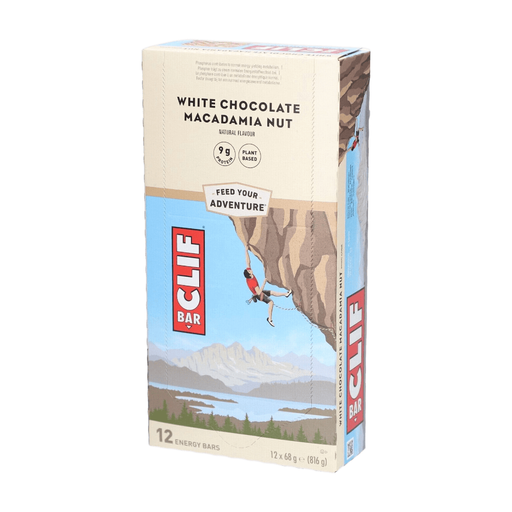 Image unavailable
CLIF BAR Macadamia Nut and White Chocolate Energy Bar, 12 × 68 g
This individually wrapped bar could work as a portable snack for an activity; consider whether its 68 g serving suits the snack you have in mind.
The product information lists 9 g of protein, 18.2 g of sugars and 0.43 g of salt per bar. It also lists soya, barley and macadamia nuts, among other ingredients. Check the pack if any of these need to be avoided.
View on Joybuy
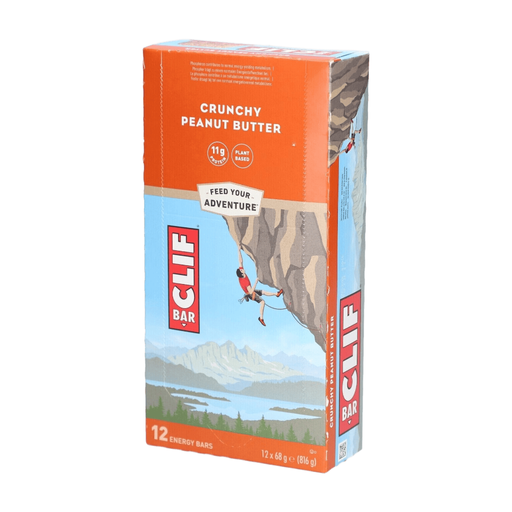 Image unavailable
CLIF BAR Peanut Butter Energy Bar, 12 × 68 g
Worth considering as a ready-to-go snack before or after an activity, bearing in mind the size of the bar when packing a lunchbox.
The product information lists 11 g of protein, 17 g of sugars and 0.57 g of salt per 68 g serving. The recipe contains peanuts and soya; check the pack for any other allergen information.
View on Joybuy
 Image unavailable
Optimum Nutrition Whipped Protein Bar Peanut & Salted Caramel, 10 × 60 g
This 60 g individual bar is marketed as a snack to have around a workout. Before comparing its protein content with another bar, check the pack: the product description and nutrition table give different figures.
The table lists 2 g of sugars, 0.27 g of salt and 13 g of polyols per bar. The recipe lists milk and soya; check the pack for any other allergen information too.
View on Joybuy
Frequently asked questions
Is a ‘high-protein’ bar always suitable as a snack for a secondary school pupil?
No. In the European Union, Regulation (EC) No 1924/2006 allows this claim only on products where at least 20% of the energy value comes from protein. The claim alone doesn’t tell you about the serving size, sugars, salt or allergens. Check these details for the snack you have in mind.
How do you compare two bars of different sizes?
Compare their nutrition information per 100 g, then check what’s in each whole bar. The DGCCRF states that nutrition information is given per 100 g or 100 ml. Looking at the portion you’ll actually eat then helps you compare the energy, fat, sugars, protein and salt in each size.
What should you check if a secondary school pupil needs to avoid an allergen?
Read the ingredients and allergen information on the pack of the exact product, even if you’ve bought another flavour from the same brand before. The DGCCRF reminds consumers that allergens in the ingredients list of prepacked foods must be highlighted. Also check any relevant ‘may contain’ statements for the person concerned.
How should you store a bar packed in a lunchbox?
Follow the storage instructions on the pack and check the date shown before putting the bar in the lunchbox. Don’t assume that two similar recipes have the same storage instructions.


