When choosing cereal as part of managing diabetes, first compare the carbohydrate, sugar and fibre content per 100 g, then relate those figures to the portion you actually serve. Porridge oats let you put your own bowl together; ready-to-eat cereal saves you the preparation, but you’ll need to read the label in the same way for every product. A large pack is only useful if your household can use it up and store it properly. The right amount for each person depends on their individual dietary plan.
Who are these criteria for?
People keeping track of their breakfast carbs
You want to factor the amount of cereal you actually serve into your meal plan, rather than relying on a claim on the front of the pack. France’s Assurance Maladie recommends reading the nutrition information and tailoring quantities to individual needs.
Households considering a large pack
You regularly eat cereal or oats and want to check that the pack size suits your habits, storage space and how much you can use up.
People comparing fibre and ingredients
You’re weighing up porridge oats, wholegrain flakes and bran cereal. Carbohydrates, sugars, fibre and ingredients can help you tell these products apart, without basing your choice on a single claim on the packaging.
What should you check before choosing?
Start with the portion you plan to serve, then compare products from the same category and check that the pack size works for your household.
| What matters |
What to check |
Who is it for? |
| Carbohydrates and portion size |
Carbohydrates per 100 g and the amount you actually pour into your bowl; remember to factor in any additions, too. |
If you’re tracking the carbohydrates in your breakfast, the portion you serve matters more than the serving size suggested on the pack alone. Around 36% of consumers put this first. |
| Sugars, fibre and ingredients |
Look at carbohydrates, “of which sugars”, fibre per 100 g and the ingredients list together. |
If you’re choosing between two ready-to-eat cereals, you want to understand what each one contains, rather than relying on a claim on the front of the pack. Around 29% of consumers prioritise this. |
| Pack size |
Net weight, storage instructions and how much your household will actually use. |
A large pack may suit you if you can use it up without changing your planned portions or letting the contents spoil. Around 21% of consumers prioritise finding a pack size that suits them. |
| Ingredients and convenience |
Allergens and “may contain” statements on the packaging, as well as preparation instructions. |
If a dietary requirement or the time you have in the morning determines your choice, these points come before pack size. They’re the top consideration for around 14% of consumers. |
Mistakes to avoid
-
Assuming “no added sugar” means “carbohydrate-free”
Carbohydrates and the “of which sugars” line tell you different things. When comparing cereal, France’s Assurance Maladie recommends checking the nutrition information per 100 g and taking the amount you eat into account.
Check both lines on the packaging, then work out the carbohydrates in your actual portion.
-
Looking at fibre alone
On its French product page, Kellogg’s lists 27 g of fibre in All-Bran Fibre Plus, but also 48 g of carbohydrates and 18 g of sugars per 100 g. One figure alone doesn’t tell you everything about the product.
Compare the carbohydrates, sugars, ingredients and the portion you plan to serve, too.
-
Choosing the biggest pack without planning how you’ll use it
The pack’s weight doesn’t tell you whether your household will get through all of it. A pack that stays open for a long time may not suit your habits.
Check the storage instructions and choose an amount that matches how much you usually eat.
-
Forgetting about the packaging and what you add to your bowl
Ingredients vary from one product to another. Milk, fruit, honey and other additions also change what’s in your breakfast.
Check the ingredients and allergen information on the product you buy, then factor in anything you add when serving it.
Brands to compare
Quaker
Quaker Oats are worth considering if you want to make your own porridge or put together your own bowl.
- The French Quaker Oats product page lists 100% wholegrain oats, 60 g of carbohydrates, 1.1 g of sugars and 9.0 g of fibre per 100 g.
- The same page lists 550 g and 800 g pack sizes and notes that the product may contain barley and wheat. Check the size and information on the pack you choose.
Kellogg’s
All-Bran Fibre Plus gives you a bran cereal to compare with other types of breakfast cereal.
- According to its French product page, Kellogg’s lists 27 g of fibre per 100 g of All-Bran Fibre Plus.
- The page also lists 48 g of carbohydrates and 18 g of sugars per 100 g. Check the ingredients, including wheat bran and barley malt extract, too.
Nestlé
Fitness Original Nature is a ready-to-eat wholegrain flake cereal.
- The Nestlé Céréales France product page says whole wheat is the main ingredient and gives the nutritional values per 100 g.
- It lists 72.4 g of carbohydrates, 8.8 g of sugars and 10.3 g of fibre per 100 g. The 30 g portion suggested by the brand won’t necessarily be right for everyone.
Carrefour
Its oats and corn flakes give you the chance to compare different ingredients and pack sizes.
- Carrefour France’s range included Carrefour Original plain oats in a 1 kg pack and Carrefour Bio no-added-sugar corn flakes in a 500 g pack.
- These claims and pack sizes alone don’t tell you how a product fits into your breakfast. Check the nutrition information and ingredients for the product you choose.
Cereal to consider on Joybuy
These products include both ready-to-eat cereal and oats that need preparing. Compare the pack size and label with the portion you plan to serve.
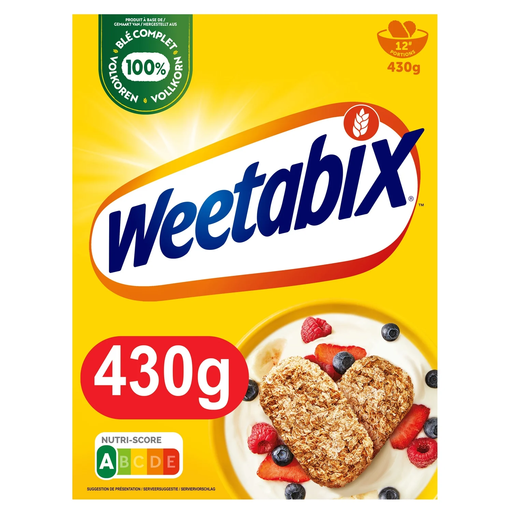 Image unavailable
Weetabix Breakfast Cereal 430 g
A ready-to-eat cereal to consider if you want to serve a set amount in the morning. The pack contains 430 g; check the nutritional values and work out the carbohydrates in the portion you serve.
View on Joybuy
 Image unavailable
Quaker Oats 500 g
Oats to consider if you prefer to put your own breakfast together. This pack contains 500 g; weigh the amount you use and remember to factor in anything else you add to your bowl.
View on Joybuy
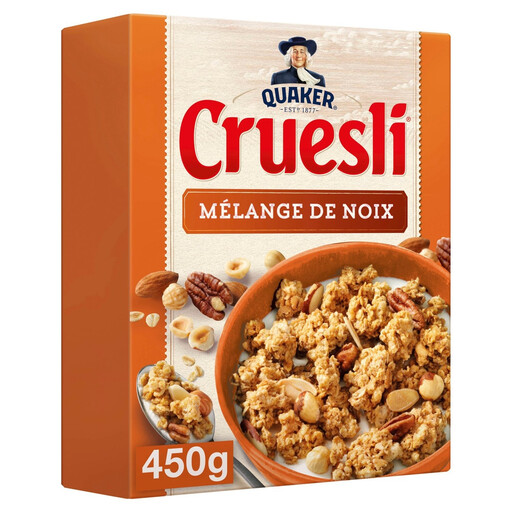 Image unavailable
QUAKER Cruesli Mixed Nuts Cereal Clusters 450 g
A ready-to-eat cereal option if you want to compare the ingredients in Cruesli with those in plain oats. The pack contains 450 g; check the ingredients, allergens and carbohydrate content for your portion.
View on Joybuy
Frequently asked questions
Does “no added sugar” mean “carbohydrate-free”?
No. When choosing cereal, check the carbohydrates, “of which sugars”, fibre and ingredients, too. France’s Assurance Maladie recommends starting with the nutrition information per 100 g, then taking the amount you actually eat into account.
Should you avoid all breakfast cereal if you have diabetes?
France’s Assurance Maladie does not describe cereal as a food that should always be avoided. Instead, it recommends a varied diet with suitable portion sizes. Talk to your doctor or dietitian about how cereal fits into your diet and what portion is right for you as part of your ongoing care.
How do you choose the right pack size for your household?
Start with how much you usually eat, the portion you serve and how you’ll store the product once it’s open. A larger pack is only practical if your household can use it up and store it properly, without changing the amount planned for each bowl.


