People keeping an eye on fat
If this is your main priority, compare the ‘fat’ figures per 100 g, then check the amount in one bar. The recipe name alone isn’t enough to tell you whether it’s lower in fat.


To choose a lower-fat cereal bar on a quick top-up shop, compare the fat content per 100 g, then check how much a single bar weighs. Claims such as ‘organic’, ‘no added sugar’ or ‘gluten-free’ relate to different criteria: check the ingredients and allergens separately for the specific product you choose.
If this is your main priority, compare the ‘fat’ figures per 100 g, then check the amount in one bar. The recipe name alone isn’t enough to tell you whether it’s lower in fat.
To choose a pack that suits your immediate needs, check its total weight and the number of bars inside. This helps you avoid confusing the pack size with the size of an individual portion.
If you need to avoid gluten or certain allergens, check the details for the exact product, including any ‘may contain’ warnings. The ‘cereal bar’ category alone doesn’t tell you whether it meets these requirements.
Start with any requirement that would rule out a product for you, then compare the other details on a like-for-like basis. The DGCCRF says that nutrition information per 100 g makes it easier to compare products.
| Criteria | What to check | Who is it for? |
|---|---|---|
| Fat | The amount per 100 g, then the amount in one bar. | I’m looking for a lower-fat bar and don’t want to rely on the recipe name alone. Around 50% of consumers put this check first. |
| Pack size | The net weight and number of bars. | For a quick top-up shop, I want a pack with portions that suit how I’ll use it. Around 20% of consumers prioritise this need for a particular pack size. |
| Ingredients and allergens | The ingredients list, declared allergens and any ‘gluten-free’ claim you need. | If I need to avoid an ingredient, the product’s composition comes before my other preferences. This is the main priority for around 30% of consumers. |
These claims don’t describe the fat content. For example, Carrefour lists 39 g of fat per 100 g for its Bio Graines et Amandes bars, while Auchan lists 26 g per 100 g for its Pure Via bars, which are labelled ‘no added sugar’.
Compare the ‘fat’ figures per 100 g for the products you’re considering.
A ‘gluten-free’ claim doesn’t mean a bar is free from other allergens or traces of them. It also tells you nothing about the fat content.
Check the gluten claim, allergens and nutrition table separately on the pack you choose.
Ingredients and ‘may contain’ warnings vary between products. The DGCCRF says that allergenic ingredients must be clearly highlighted on the label.
If you have a dietary requirement, read the ingredients list and any ‘may contain’ warnings on the packaging of the product you buy.
The range includes several bar recipes, including Croustille Avoine Miel, so the brand name alone doesn’t tell you what’s in a particular product.
The Carrefour range includes classic bars as well as recipes made with seeds or almonds. Compare each product individually.
The range includes a product explicitly labelled gluten-free, which may be worth considering if you need this claim.
The Eco+ and Grainea ranges include several cereal bar recipes for a quick top-up shop.
This selection includes three cereal bars and one energy bar. For a quick top-up shop, check that the pack size suits you and review the nutritional information for each product before choosing.
 Image unavailable
Worth a look if you’re after individually wrapped bars to take with you: this pack contains 12 bars of 68 g each. These are energy bars, rather than a product explicitly named a ‘cereal bar’. Compare the nutritional values and check the ingredients on the packaging if you have a dietary requirement.
 Image unavailable
A pack of eight 25 g cereal bars to consider if this size suits your top-up shop. To assess the fat content, compare the figure per 100 g and check the amount in one bar. Also check the label if you need to avoid gluten, milk or nuts.
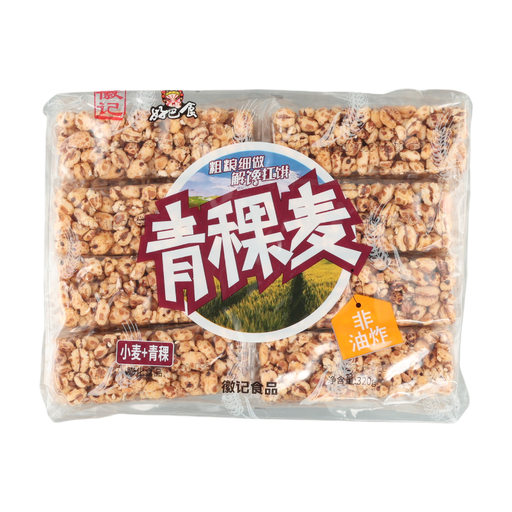 Image unavailable
This 320 g pack is worth considering if you’re looking for barley cereal bars to keep on hand. Check the number of portions and the nutritional values on the packaging. If you need to avoid gluten, check the ingredients list for this product before buying.
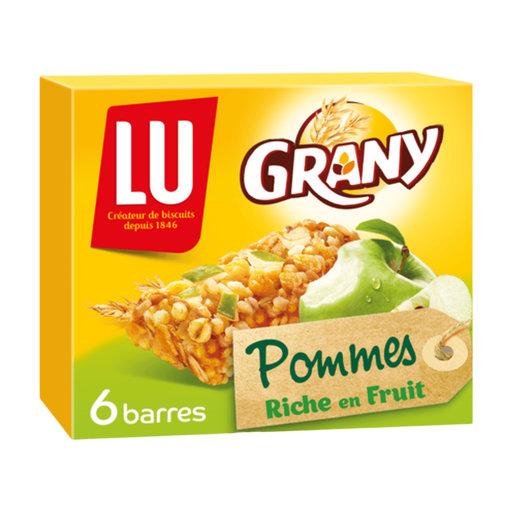 Image unavailable
The 125 g pack may suit you if you’re looking for apple cereal bars for a quick top-up shop. The name doesn’t indicate that the bars are low in fat: check the figures per 100 g and per bar, as well as the allergen information on the pack you choose.
No. This claim doesn’t tell you how much fat a bar contains. For example, Auchan lists 26 g of fat per 100 g for its Pure Via bars labelled ‘no added sugar’. Check both details separately for the product you’re considering.
First compare their nutritional values per 100 g, particularly fat and sugars: the DGCCRF recommends this as a way to compare products. Then check the values per portion, or the portion size shown on the pack, to see how much is in one bar.
Read the label for the exact product: check the ingredients list, highlighted allergens and any ‘may contain’ warnings. If you need a ‘gluten-free’ claim, make sure it appears on that product. You can’t assume a product is gluten-free from the presence of oats or the name ‘cereal bar’.