What should you check before buying?
Start with the portion everyone will eat, then check whether the pack size and recipe suit your household.
| Criteria | What to check | Who is it for? |
|---|
| Protein per bar |
The grams of protein and serving weight shown on the label for the exact product. |
If I’m choosing a snack to take with me around a workout, I want to know how much protein is in the bar I’ll eat, not just the amount per 100 g. Around 36% of consumers rank this amount per serving as their top priority. |
| Pack size |
The number of bars and their individual weight before choosing a box for your household. |
When several people share snacks, I need portions that suit their different needs. This is the top priority for around 29% of consumers. |
| Ingredients and allergens |
The ingredients list, declared allergens and ‘may contain’ warnings for the option you choose. |
If someone at home needs to avoid an ingredient, I need to be able to rule out a recipe before buying a whole pack. Ingredient suitability comes ahead of other criteria for around 21% of consumers. |
| Nutritional make-up of each serving |
Energy, sugars, fat and salt per serving, and whether sweeteners are included. |
If I’m having a snack regularly, I want to look at the whole serving rather than make a decision based on protein alone. Around 14% of consumers make their choice first based on nutritional information and ingredients. |
Bars available on Joybuy
This selection includes protein bars to take with you and oat-based energy bars sold in multipacks. When shopping for a family, compare their serving sizes and recipes rather than treating all of these products as equivalent cereal bars.
 Image unavailable
Optimum Nutrition Whipped Protein Bar Peanut & Salted Caramel, 10 × 60 g
This pack of ten bars is a good option if you’re looking for several individual portions to take with you around a workout. Check the protein content on the label: the information for this product gives conflicting figures per bar. Also check the warnings about milk, soya, peanuts and possible traces, as well as the warning about sweeteners.
View on Joybuy
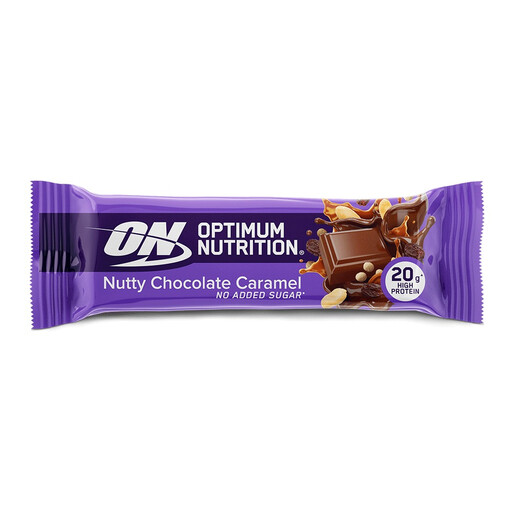 Image unavailable
Optimum Nutrition Nutty Chocolate Caramel Bar, 10 × 70 g
This pack of ten portions is worth considering for individual post-workout snacks. Each bar weighs 70 g, so compare the nutritional information per bar with that of smaller formats. If you’re sharing the pack, check the warnings about milk, soya, peanuts and possible traces.
View on Joybuy
 Image unavailable
CLIF BAR Blueberry Energy Bar, 12 × 68 g
This pack of twelve energy bars may suit you if you’re looking for portions to take with you for sports activities. Don’t mistake it for a specialist protein bar: check the protein and sugars per bar, depending on what matters most to you. Also check the ingredients and allergen information for this option.
View on Joybuy
 Image unavailable
CLIF BAR Macadamia Nut and White Chocolate Energy Bar, 12 × 68 g
The twelve individual portions are handy if you’re looking for bars to take with you, but this product is described as an energy bar, not a high-protein bar. Compare the nutritional information per serving before choosing it for your household. The macadamia nuts and any other listed allergens make it important to read the label carefully.
View on Joybuy
 Image unavailable
nu3 Fit Protein Bar Salted Caramel, 55 g
This 55 g bar can be compared with other individual formats if you’re looking for a protein snack to take with you. Before planning to buy these for several people, confirm how many bars are in the pack you choose and check the warnings about milk, soya, almonds and possible traces.
View on Joybuy
Frequently asked questions
How do you compare two bars labelled ‘protein’?
Check the grams of protein and the weight of each bar, then look at the values per 100 g if you want to compare recipes on a like-for-like basis. Kellogg’s France lists 5.9 g of protein in a 28 g Special K Protein bar; Barebells states that a 55 g Creamy Crisp contains 20 g. These figures relate to different serving sizes and product types.
What nutritional information should you check on prepacked bars?
Look at the nutrition declaration and relate it to the portion you plan to eat. For the relevant prepacked foods in France, the DGCCRF states that this declaration includes energy, fat, sugars, protein and salt, among other information. Check the ingredients list and allergens too when choosing a recipe for your household.
Is a protein bar automatically suitable after exercise?
No. Its product category or protein content alone isn’t enough to determine whether it’s right for your snack. Compare the serving size, full nutritional information and ingredients against your own criteria, and don’t assume that a cereal bar and a protein bar serve the same purpose.
Should you check the allergens on a bar you already know?
Yes. Check the label on the option you’re buying, especially if you’ll be sharing the pack. The products featured may differ in their ingredients and ‘may contain’ warnings; you can’t tell what’s in every recipe just from the product range name.


