Students keeping an eye on calories per serving
If you plan to eat a whole bar, its weight and calories per bar can help you compare portions. The per-100 g information then lets you compare recipes on a like-for-like basis.


For a budget-friendly student dinner, compare the calories per bar and per 100 g, then check the pack size, sugars, fibre and allergens. A bar can be part of your dinner, but it won’t necessarily make a meal on its own: Anses points out that a balanced diet provides a range of macronutrients and micronutrients.
If you plan to eat a whole bar, its weight and calories per bar can help you compare portions. The per-100 g information then lets you compare recipes on a like-for-like basis.
The total pack weight, number of bars and weight of each bar help you work out how many portions you’ll get and compare different pack sizes.
If you’re planning to have a bar in the evening, decide whether it’ll be a snack or just one part of your meal. Anses points out that a balanced diet is about more than a single nutrient.
For this dinner, first decide how the bar fits into your meal. Calories per portion and pack size can then help answer different questions.
| What matters | What to check | Who is this for? |
|---|---|---|
| Calories per serving | Compare the kcal per bar and the portion weight; use the kcal per 100 g to compare recipes on a like-for-like basis. | If I eat a whole bar, I want to know the calories in that serving rather than rely on the pack’s apparent size. Around 42% of consumers put this serving-size measure first when making their choice. |
| Its place in dinner | Decide whether the bar will be a snack or part of your meal, then look at the nutritional information for your dinner as a whole. | For a quick dinner, I want to know what I’ll add to the bar rather than assume it’s a meal in itself. Around 33% of consumers put the need to build a dinner first. |
| Pack size | Check the total weight and number of bars, then look at the weight of each one. | When I’m planning several snacks, I want to know how many portions the pack actually contains. Pack size is the main concern for around 25% of consumers. |
A small portion doesn’t automatically make a meal. Anses points out that a balanced diet should provide a range of macronutrients and micronutrients.
Before you buy, decide whether the bar will be a snack or something to have alongside other foods at dinner.
A smaller bar may have fewer calories per unit without having the same difference when compared by weight.
Check the kcal per bar, its weight and the values per 100 g. Also look at the sugars and fibre.
The total weight alone doesn’t tell you how many bars are in a pack or how much each portion weighs.
Check the pack weight, number of bars and individual bar weight together.
Ingredients and allergens vary by recipe, so the name ‘cereal bar’ isn’t enough to identify them.
Read the ingredients list and check which allergens are highlighted. If you order online, check the packaging when it arrives too.
Kellogg's product information for the Special K dark chocolate bar lists 85 kcal, 6 g of sugars and 2.1 g of fibre per 21.5 g serving.
Carrefour’s range includes Carrefour Classic’ dark chocolate cereal bars.
The E.Leclerc range includes Eco+ cereal bars in a pack of six, with a total weight of 126 g.
Auchan’s range includes oat bran and chocolate bars labelled ‘LESS SUGAR’, in a pack of six bars weighing 180 g.
These packaged cereal bars make it easy to compare pack sizes for a snack or part of your dinner. To choose based on calories, sugars or allergens, check the values and ingredients list for each product.
 Image unavailable
The pack of eight 25 g bars lets you plan separate portions for a snack or to add to a meal. To compare recipes, check the calories per bar and per 100 g, as well as the ingredients on the packaging.
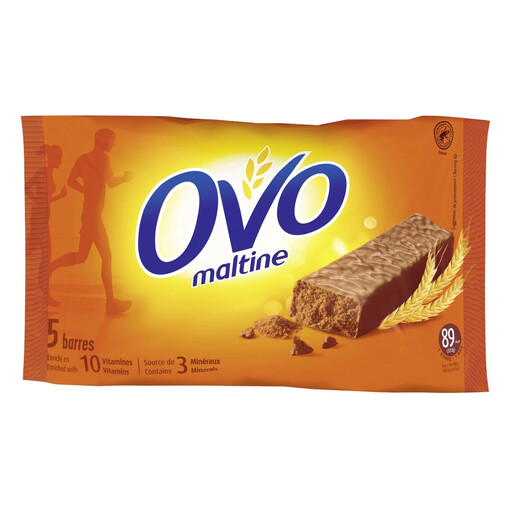 Image unavailable
Each bar is listed as weighing 20 g, which is worth bearing in mind if you’re choosing based on portion size. Check the calories and sugars listed for that portion before adding it to dinner.
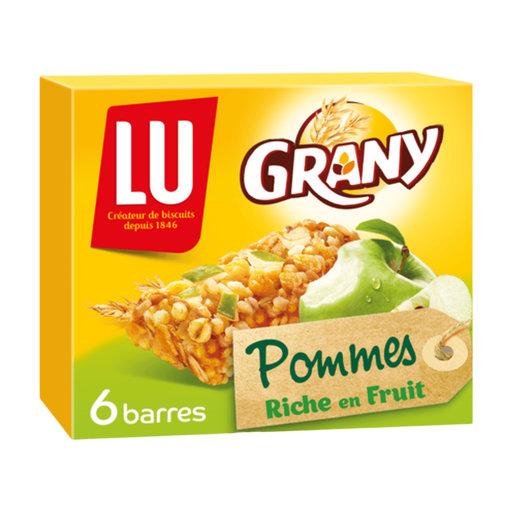 Image unavailable
The 125 g pack could be a good option for snacks to portion out. To find out how many calories you’ll get from the amount you actually eat, check the number and weight of the bars and the nutritional information per serving.
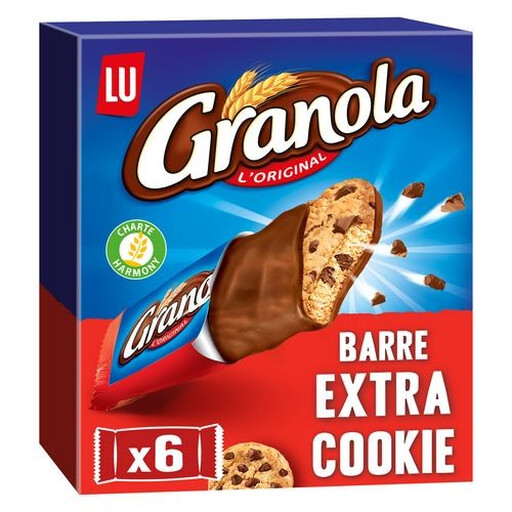 Image unavailable
The pack contains six bars, with a stated total weight of 168 g. If you’re having one as a snack or with dinner, check the values per serving rather than relying on the pack weight alone.
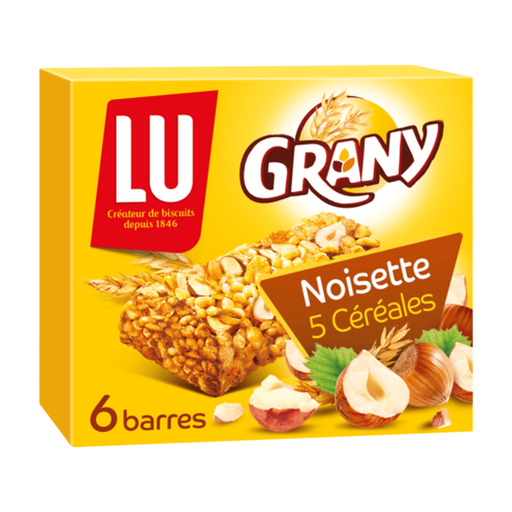 Image unavailable
This 125 g pack is another option to consider for snacks. Check the weight of each bar to understand the calories per serving, and read the ingredients list if you need to avoid certain allergens.
Not necessarily: a bar can be a snack or part of your dinner, but it won’t make a complete meal on its own. Anses says a balanced diet provides a range of macronutrients and micronutrients, so take a look at what else is in your dinner.
Check the calories in a whole bar and its weight, then look at the calories per 100 g to compare recipes on a like-for-like basis. For example, Kellogg's product information for the Special K dark chocolate bar lists 85 kcal per 21.5 g serving. This figure applies to that product and serving size.
Read the ingredients and check which allergens are highlighted for the specific product, then check the packaging when it arrives if you ordered online. Don’t assume what a bar contains based on its name alone or on another flavour.