
Livraison le jour même ou le lendemain

Qualité garantie

Débloquez vos offres de bienvenue: Livraison GRATUITE | Jusqu'à -80 % | 30 jours d'essai gratuits à JoyPlus
Téléchargez l'application
Between the energy bars marketed as essential, the chocolate biscuits for afternoon tea and the organic granola with its natural promises, it's not always easy to compare products that serve different purposes. Whether you're a busy adult, a family or a sportsperson, the right choice depends mainly on when you plan to eat it, its ingredients and its format.
The phrase "with cereals" doesn't necessarily mean the product is low in sugar or high in fibre. Some bars contain a decent proportion of cereals, but also glucose syrup, sugar or a fair amount of fat. The ingredients list helps you put the marketing claims into proper perspective.
A pack of 12 bars might look economical, but the weight of each individual bar varies significantly. A 25 g bar, a pack of two 21 g bars or a 68 g energy bar are not designed for the same purpose. Compare the price per kilogram, the weight per serving and the actual number of servings you get.
Gluten, milk, soya, peanuts, hazelnuts and other tree nuts are common in this category. "May contain" warnings should be taken seriously by anyone with allergies. Once opened, some granolas need to be carefully resealed or stored in the fridge to keep their texture.
Ingredients are listed in descending order of weight. For crunchy cereals or a fruit bar, check where the oats, wheat, rice, fruit or nuts appear on the list. A product can contain a notable amount of cereals while still being a sweet treat designed for enjoyment.
The nutritional table should be checked per 100 g, but also per serving. By way of comparison, LU Prince Pocket biscuits have 467 kcal and 32 g of sugar per 100 g, while a 68 g CLIF bar provides 256 kcal and 18 g of sugar. These figures alone don't tell you whether a product is good or bad – they mainly help you match it to the right occasion.
As part of a varied diet, fibre can contribute to a feeling of fullness. However, its presence doesn't turn a biscuit into a complete meal. Protein and energy bars sometimes have a higher protein content: the CLIF peanut butter bar provides 11 g per 68 g bar, while the FEED meal bar states 23 g per 100 g.
These products are designed for different uses. A protein bar can work well after exercise or as a substantial snack, whereas a milk biscuit or a fruit bar is better suited to afternoon tea or a grab-and-go treat.
For the gym bag, commuting or a hike, go for individual portions and resealable packaging. Products that are sensitive to moisture, such as organic granola and crunchy cereals, should be stored in a dry place at a moderate temperature.
Also check the best-before date on the packaging. After opening, follow the manufacturer's instructions. Tuan Dat fruit and vegetable chips, for example, come in a 100 g resealable bag and must be kept in the fridge after opening, with consumption recommended within 10 days.
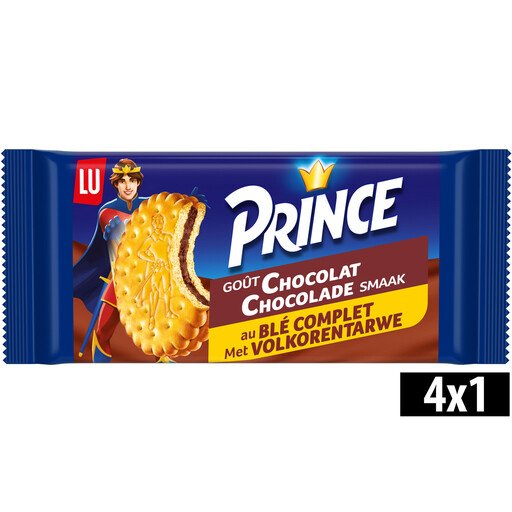
Why this choice suits this profile: Its small format is ideal for family breaks and occasional afternoon treats, without having to buy a large pack.
The label states 50% cereals, including 15.2% wholemeal flour, and 4 g of fibre per 100 g. The nutritional table also lets you take into account the 32 g of sugar per 100 g.
A chocolate biscuit made with wheat flour and wholemeal flour. Allergens listed: wheat, soya and milk.
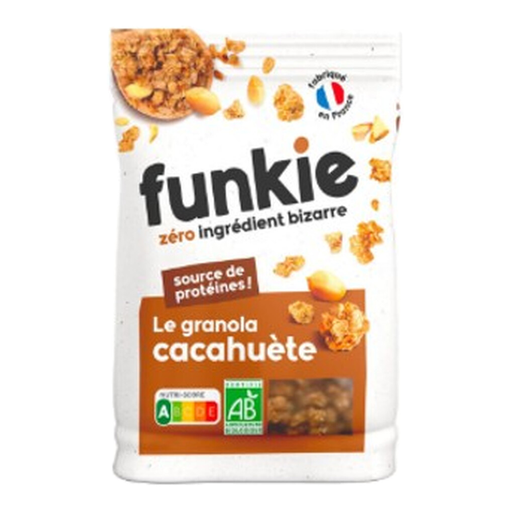
Why this choice suits this profile: This organic granola is aimed at those looking for a recipe based on oat flakes, spelt and peanuts, to enjoy at breakfast or with yoghurt.
The recipe lists organic ingredients and provides 8.6 g of fibre and 14 g of protein per 100 g. The presence of gluten and peanuts should be noted.
431 kcal and 13 g of fat per 100 g. According to the product label, the granola should be kept cool after opening.

Why this choice suits this profile: The pack of 12 and the 68 g format are ideal for training sessions, cycling trips and outdoor activities.
The serving size is clearly detailed: 256 kcal, 38 g of carbohydrates, 5 g of fibre and 11 g of protein per bar. It's ready to eat with no preparation needed.
The recipe contains oats, almonds and dried blueberries. Allergens present, including oats, soya, barley, almonds and milk.
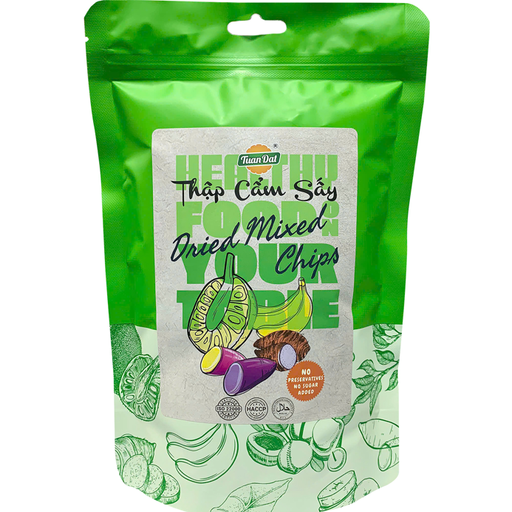
Why this choice suits this profile: This mix offers a crunchy texture, different from biscuits, and is easy to enjoy during a picnic or a break.
The ingredients are listed: banana, sweet potato, jackfruit and taro, with 466 kcal and 49 g of sugar per 100 g. So this is not a substitute for fresh fruit.
The mix is stated to be free from the 14 major EU allergens. Suitable for vegetarians and vegans, but not certified organic.
We've put together a comprehensive, real-time selection of products that meet these strict criteria and European safety standards.
It depends on the duration and intensity of the activity. For a short session, a small bar or a biscuit can be enough as a snack. For a longer outing, pay particular attention to the weight, the amount of carbohydrates per serving and how easy it is to carry. A 68 g energy bar will naturally be more substantial than a 25 g bar.
A standard bar doesn't automatically replace a meal. Products marketed as meal bars have a specific composition, but they should be consumed according to the instructions on the packaging and as part of a varied diet. Check the protein, fibre, fat and sugar content, as well as the serving size.
Keep them in a dry place, away from heat and moisture. Reseal the bag after each use. For some organic granolas, refrigeration after opening is recommended. Always check the label on the product you've bought, especially for the best-before date and any specific storage instructions.