People looking for organic and high-protein options
For a snack or a quick breakfast, you may want both recognisable organic certification and clearly stated protein content. Check both separately on the product you’re buying.


If you’re looking for a bar that’s both organic and suitable for a high-protein diet, check the organic certification logo and the protein content per bar and per 100 g separately: neither guarantees the other. If protein content matters more to you than organic certification, compare the serving sizes, sugars, ingredients and allergens for each product too.
For a snack or a quick breakfast, you may want both recognisable organic certification and clearly stated protein content. Check both separately on the product you’re buying.
If you take a bar with you for a break, the amount per serving is more useful for comparison than the range name alone. Bar sizes can vary from one product to another.
You might choose an organic cereal bar first for breakfast or a break. Then check its nutritional information and ingredients if protein content, sugars or allergens affect your choice.
To compare bars of different sizes, look at the values per serving as well as per 100 g. The organic logo and protein content answer two separate questions.
| What matters to you | What to check | Who is it for? |
|---|---|---|
| Organic and high-protein in one | EU organic logo or AB mark; protein per bar and per 100 g. | For a snack, I want both the organic certification and protein content to be clearly identifiable, without assuming one guarantees the other. Around 42% of consumers would make this combination their priority. |
| Protein per serving | Grams of protein and serving weight; sugars shown on the label. | If I eat a whole bar during my break, I want to know what that serving provides rather than rely on the product name. This amount per bar would be the main criterion for around 33% of consumers. |
| Organic for regular breaks | Organic logo, ingredients and allergen information for the product you choose. | For my usual breaks, I prioritise organic certification and ingredients that suit my needs, without assuming the bar is high in protein. This would be the top priority for around 25% of consumers. |
Organic refers to a product’s certification; the nutrition claim ‘high in protein’ is based on a separate criterion. Under EU regulations, at least 20% of the food’s energy value must come from protein for this claim to be used.
Look for the organic logo, then check the nutritional information per serving and per 100 g. Don’t assume a product is high in protein just because it contains seeds or nuts.
The amount per bar and the amount per 100 g don’t describe the same quantity. Kellogg’s France lists formats including a 28 g Special K Protein bar and a 35 g High Protein bar.
Use the per-serving value for the bar you plan to eat, then use the per-100 g value to compare different sizes.
Ingredients vary between recipes, including bars made with seeds, nuts and those marketed as high-protein. A range name doesn’t tell you which allergens are present in a specific product.
If you have an allergy, check the ingredients list and any precautionary allergen information on the packaging of the bar you buy.
Carrefour France lists a GOOD MOOV ‘Organic Dark Chocolate Protein Bar’ in its organic bar range.
The range shown by Carrefour France distinguishes between Carrefour Bio bars and Carrefour Sensation bars labelled ‘Protein’.
Kellogg’s France features High Protein and Special K Protein bars, whose sizes and protein content can be compared.
Auchan France features AUCHAN BIO cereal bars with seeds and almonds, sold in packs of four bars with a total weight of 100 g.
These CLIF BAR energy bars may be worth considering as an on-the-go snack if protein per bar matters to you. If you also require an organically certified bar, check the logo on the packaging of the variant you choose.
 Image unavailable
This pack contains 12 bars, each weighing 68 g, making it handy for snacks on the go. Compare the protein and sugars per bar on the nutritional information; if organic certification is a must, check the packaging for this variant.
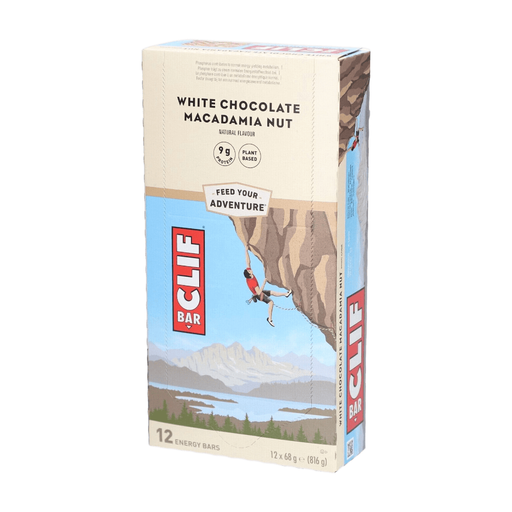 Image unavailable
This pack of 12 bars, each weighing 68 g, could be a good choice if you want several snacks to take with you. Check the protein per bar, ingredients and allergen information for this variant; the name alone doesn’t confirm organic certification.
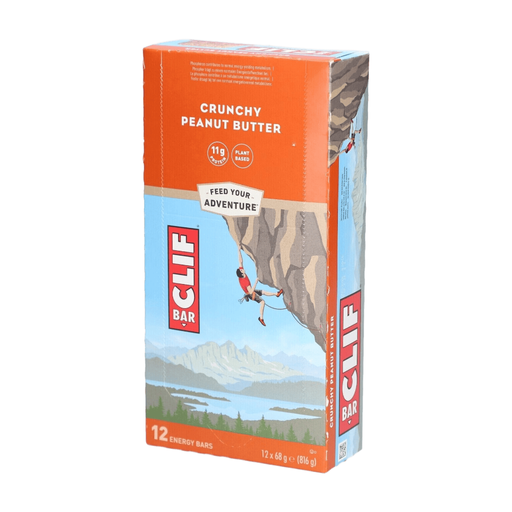 Image unavailable
This pack of 12 bars, each weighing 68 g, is another option for comparing snacks of the same size. Check the protein per serving and the ingredients list; any mention of organic ingredients doesn’t replace checking whether the finished product is certified.
Look for the EU organic logo on the packaging; the AB mark may also appear. The French Ministry of Agriculture explains that for a processed product carrying these logos, at least 95% of its agricultural ingredients must be organic. The word ‘natural’ is not a substitute for this certification.
Under EU regulations, at least 20% of the food’s energy value must come from protein for it to carry this claim. The claim alone doesn’t tell you how much protein you’ll get from one bar, so check the grams of protein per serving too.
No. Organic certification doesn’t set the protein content. If this is an important factor in your purchase, compare the values per bar and per 100 g in the nutritional information for the product you choose.
Check the specific recipe rather than relying on the type of bar. Information for some Kellogg’s and Carrefour products lists allergens such as peanuts, nuts, milk or soya, depending on the product. Check the ingredients and any ‘may contain’ warnings on the packaging you buy.
Follow the instructions on the packaging for the product you buy. The Joybuy listing for the Nature Valley salted caramel and peanut bar says to store it in a cool, dry place. Also check the best-before date on your pack.